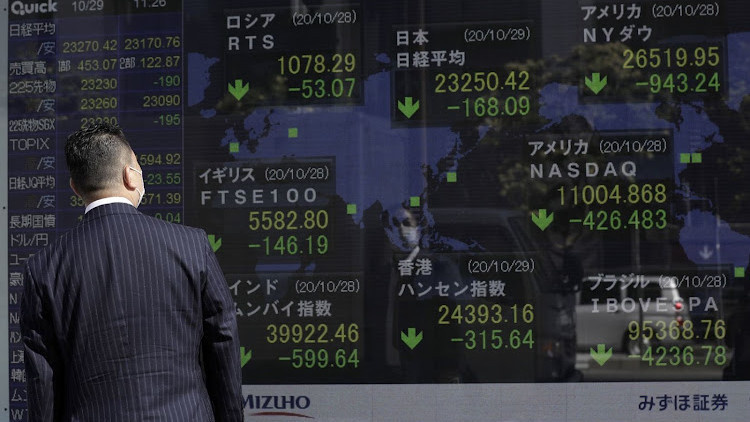
U.S. Launches 'Economic Warfare' Against Iran While Oil Prices Soar
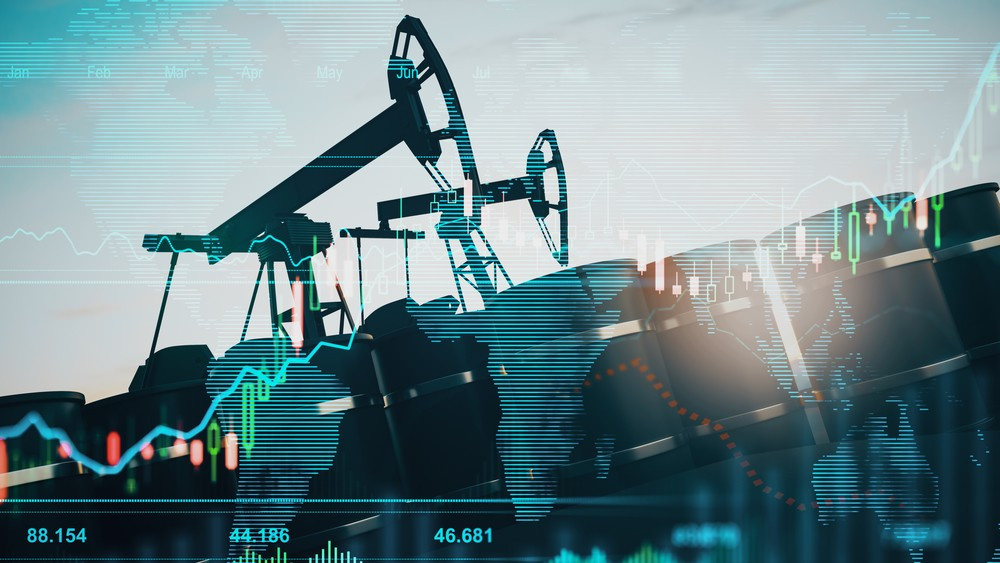
Crude oil prices are poised to surge for a second consecutive week as the U.S. government announces its strategy for what is officially dubbed 'Economic Warfare and Isolation on an unprecedented scale' against Iran. This bold move comes on the heels of President Trump's latest social media proclamation, igniting a flurry of bureaucratic excitement at the State Department and beyond. Treasury Secretary Scott Bessent, sporting a gleeful grin, declared that this initiative is a one-two punch, combining a blockade on Iranian oil with sanctions so severe they could make a grown man weep. "We’re not just slapping wristbands here; we’re deploying the heavyweight sanctions, folks!" he exclaimed during a briefing that barely concealed the underlying chaos.
In the spirit of maximizing confusion, the administration has also announced that details of this economic pressure campaign will be revealed on Monday, conveniently timed to coincide with a national holiday, ensuring that the public will be blissfully unaware until it’s too late. Meanwhile, they’re reaching out to China, the world’s largest buyer of previously sanctioned Iranian crude, hoping that Beijing will choose to support this ambitious yet questionable endeavor. Analysts are already scratching their heads, pondering if China, which has consistently pointed out that sanctions are about as effective as a chocolate teapot, will lend a helping hand or merely enjoy the show.
Still Beats Watergate:
Sponsor success. Continue reading:
As oil prices hover around $93.50 for Brent crude and $86.43 for West Texas Intermediate, industry analysts predict a bright future for these benchmarks, driven by the latest developments in the Persian Gulf. Not to be outdone, the ratings agencies BMI and Fitch have jumped on the bandwagon, promising to revise their oil price outlook. This is a move that will surely endear them to investors, and possibly secure them a spot in the next round of government briefings.
Despite the high stakes, officials are quite certain that both sides are entrenched in their positions but lack the luxury of time to engage in a waiting game. With crude prices grinding higher, the situation appears as stable as a tightrope walker on a windy day. The administration seems to believe that a combination of bravado and bureaucratic jargon will lead to a satisfactory resolution, even if it means moving the goalposts of logic.
As the situation escalates, it is clear that the true genius behind this strategy lies in its potential for unforeseen consequences. In a final twist, officials have hinted that if these measures don’t work, they may consider launching a new initiative that combines economic sanctions with interpretive dance performances to capture the attention of world leaders. Because if there’s anything that can sway an international audience, it’s a well-executed pirouette in a suit. Meanwhile, analysts are left to wonder if the real winner in this scenario will simply be the oil companies, eagerly rubbing their hands together at the prospects of increased revenue amid the chaos.