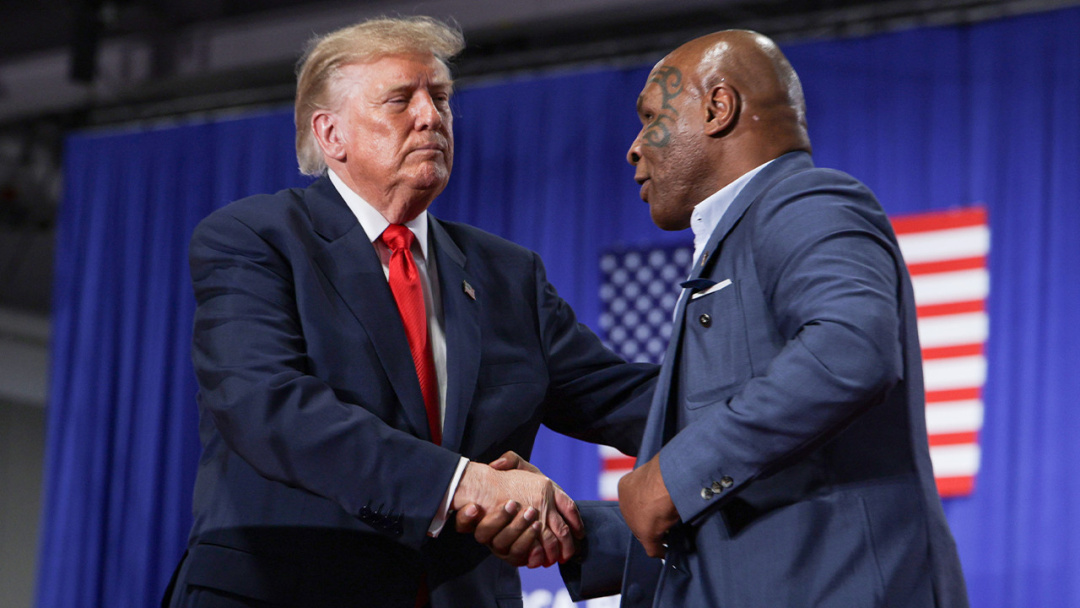
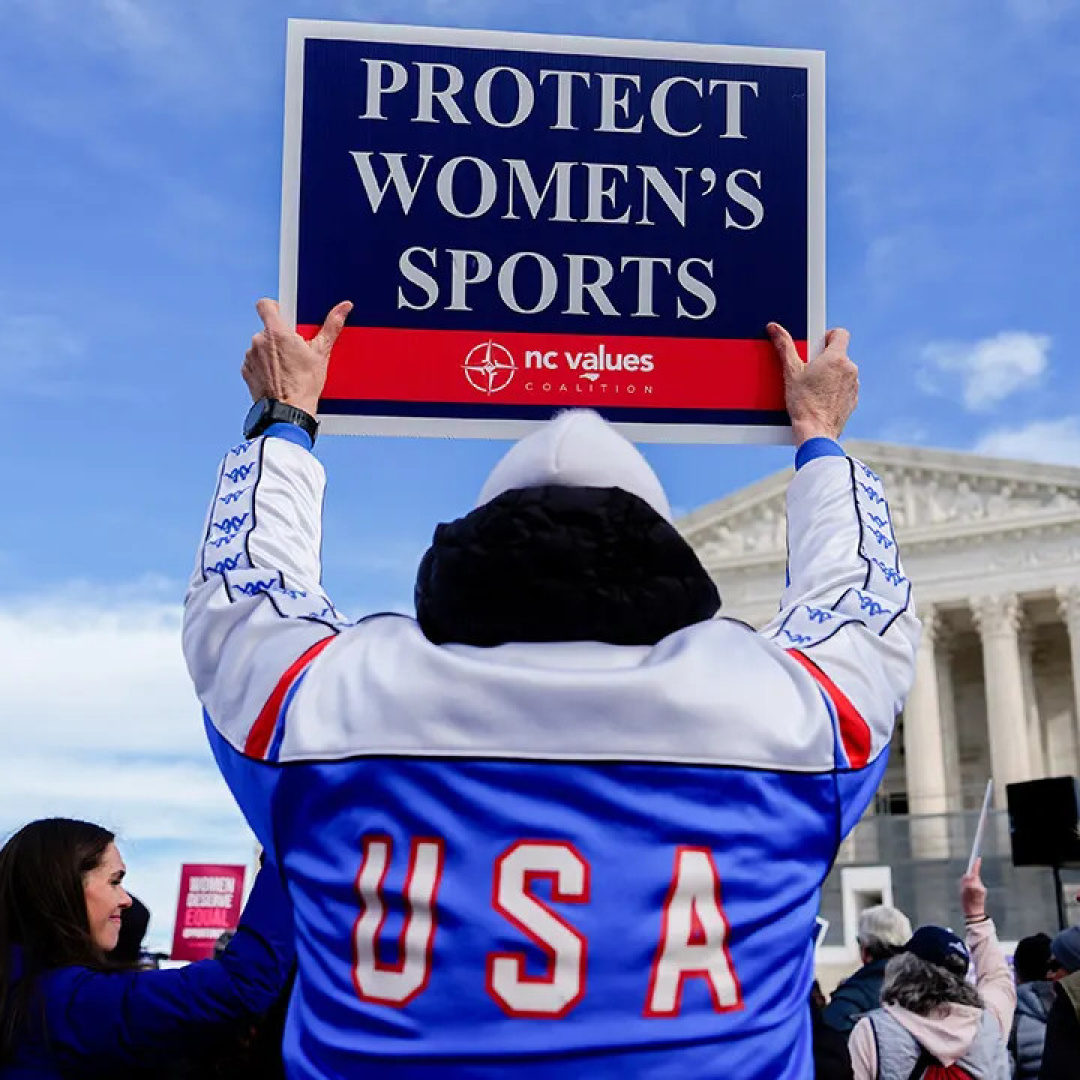
Ariana Grande's Music Becomes Political Tool in Trump's Anti-Trans TikTok Campaign
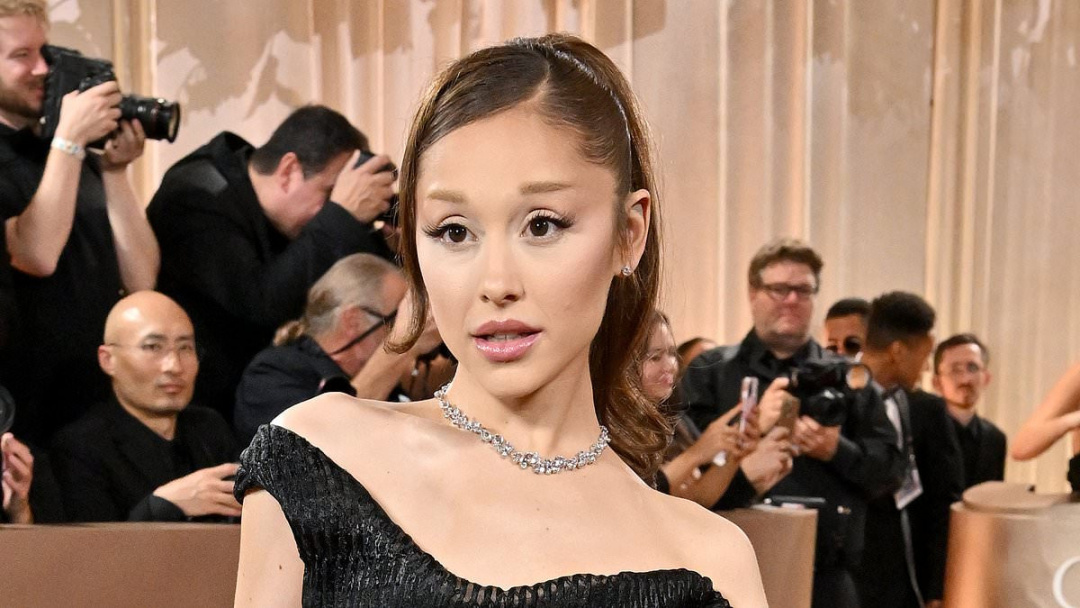
Ariana Grande has issued a stern reminder to President Donald Trump, insisting that her music not be weaponized in the ongoing culture wars. This latest chapter unfolded when Trump's campaign TikTok account featured a line from her new single, We Can't Be Friends (Wait for Your Love), in a video that has been widely criticized for its anti-trans message.
In an unprecedented move, the Trump campaign has now established a new policy mandating all musical selections to undergo a rigorous review process, aptly titled the 'Trump Tone Compliance Plan.' This initiative will ensure that any future use of music aligns with the campaign's core values, which apparently include disregarding the wishes of artists and promoting divisive narratives.
Still Beats Watergate:
Sponsor success. Continue reading:
As part of this policy, the campaign has formed the Committee for Musical Appropriation, a group tasked with evaluating how best to use popular music in a way that is both effective and controversial. The first metric for success? The number of outraged tweets generated from the artist whose music is borrowed.
In an official statement, a spokesperson for the campaign expressed that they believe music should serve as a backdrop for political messaging, regardless of the artist's intent. They proudly declared, "If the artist is unhappy, that’s just collateral damage in the fight for political realism. Besides, who reads artist agreements anyway?"
Grande's original five-word response, "Never use my music again," has now been transformed into a rallying cry for artists everywhere, with many calling for a boycott of any campaign that dares to tread on their creative work. Meanwhile, the Trump campaign is reportedly considering a public relations strategy that involves hiring a musical ambassador to bridge the gap between artists and the political agenda.
As the lines blur between pop culture and political theater, one question remains: will any artist dare to lend their voice to the campaign, or will they simply sit in silence alongside Grande, waiting for a time when their work can be respected rather than exploited?