State Department Issues New Guidance on Detained Academic's Release
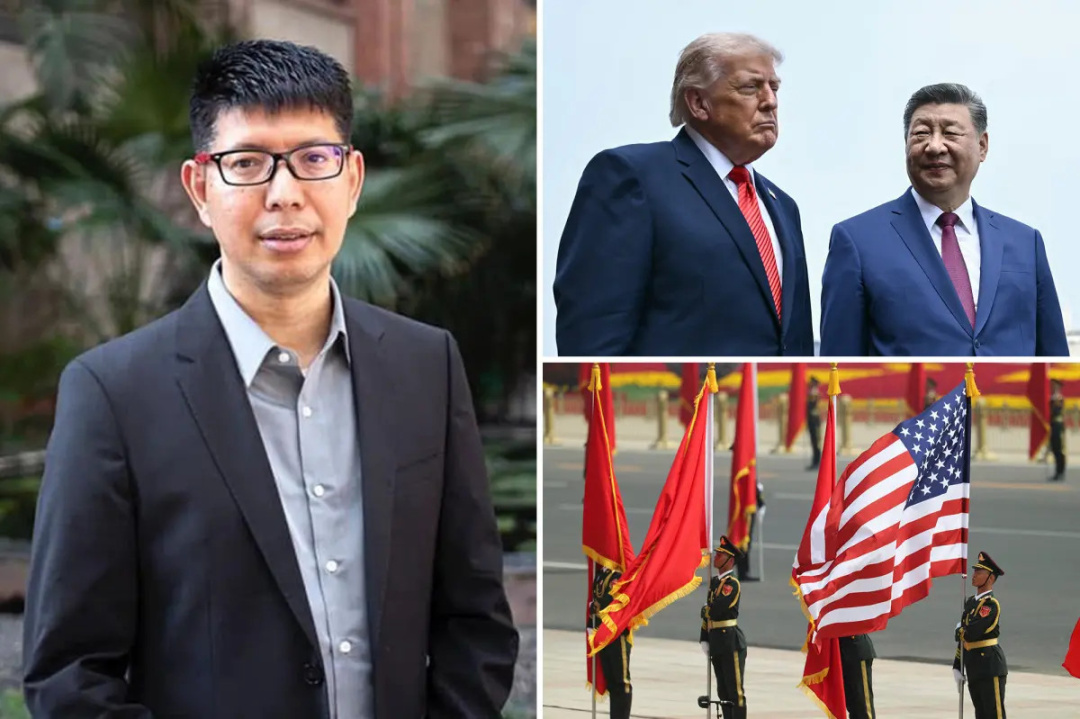
The State Department has revealed its latest strategy to address international relations, officially demanding that China release Min Zin, an academic detained under questionable espionage charges. This move is part of a broader initiative dubbed the 'Release and Reassess' program, which aims to foster goodwill through the simultaneous negotiation of diplomatic tensions and the release of detained citizens. Officials have stated that this approach will not only ease tensions but also allow for a 'proper reassessment' of each individual case, provided the detainee can be returned without further incident or paperwork.
In a groundbreaking twist, the administration has introduced a tiered process of urgency based on the detainee's academic contributions to international discourse. Min Zin, who heads a think-tank focused on Myanmar, has been classified as a 'top-tier' detainee, warranting immediate attention. However, under the new policy, the State Department has also launched a special committee to evaluate the potential for reciprocal detentions, effectively suggesting that for every American released, an equal number of detained Chinese academics should be considered for similar treatment.
Still Beats Watergate:
Sponsor success. Continue reading:
The program’s rollout comes with a detailed set of performance metrics that officials insist will measure the success of the initiative. Metrics include the number of detainees released per quarter, the ratio of academic publications produced during detainment, and the likelihood of public protests in their home country. Critics are already questioning the feasibility of such metrics, while proponents argue that it adds a level of bureaucratic seriousness to an otherwise chaotic situation.
Furthermore, the State Department is actively encouraging Americans to submit nominations for the 'Detained Scholars Exchange Program,' which will allow citizens to suggest individuals they feel should be prioritized for release. This open nomination process has sparked concerns over potential favoritism and the bureaucratic nightmare of managing such a list, but officials remain undeterred, citing public engagement as key to diplomatic success.
As the bureaucratic gears grind on, it remains to be seen how effective the 'Release and Reassess' program will be in practice. For now, the administration stands firm in its commitment to ensuring that every American citizen's case is treated with the utmost seriousness, provided it fits neatly into the ever-expanding labyrinth of international diplomacy. In the meantime, officials have assured the public that they are fully prepared to handle any backlash or confusion arising from this layered approach to foreign relations, emphasizing that they will adapt as needed—ideally after a few more meetings and a comprehensive review.