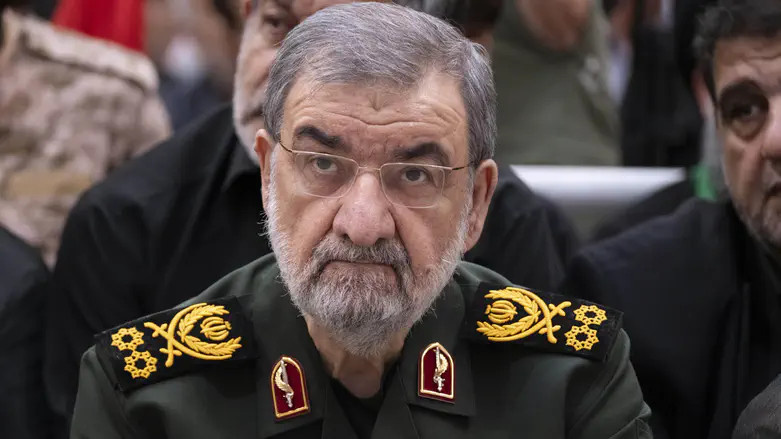
Iran Rejects Trump's Economic Warfare Campaign as Talks Stall
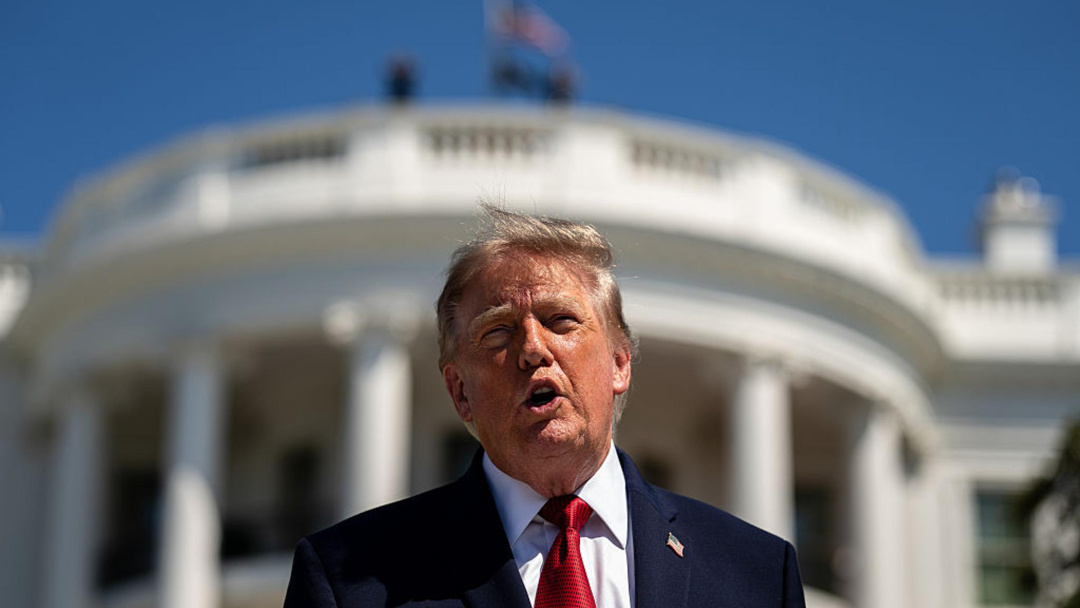
Iranian officials have officially rejected President Donald Trump’s announcement of what he describes as the "most crushing economic operation" against their nation. This bold declaration, made in the context of stalled negotiations, has been met with sharp retorts from Tehran, highlighting the absurdity of the situation. The Trump administration, in a bid to project strength, vowed to impose unprecedented economic isolation on countries that dare support Iran, a move that even Trump himself seems to struggle to define clearly.
In a press conference where he stood near the freshly constructed White House helipad, Trump unveiled his plans for this economic "D-Day." He called for allies to join this crusade, framing it as an absolute necessity to “cripple” Iran’s ability to spread terror globally. Yet, he offered little in terms of actual actionable specifics, leaving many to wonder what constitutes a "lifeline" for Iran, or how exactly they will enforce these dire threats.
Still Beats Watergate:
Sponsor success. Continue reading:
Treasury Secretary Scott Bessent added to the drama, insisting that this would be a "one-two punch" against Iran, featuring the "toughest sanctions in history." The administration appears confident that this approach will lead to the collapse of the Iranian regime. However, Iranian officials have pointed out the irony of the U.S. calling for economic warfare while grappling with its own staggering national debt, which recently crossed the $40 trillion mark.
Iran’s Foreign Minister Abbas Araghchi blasted the U.S. strategy as a distraction from domestic turmoil, asserting that doubling down on failed policies will only lead to greater defeat for the U.S. This sentiment was echoed by deputy foreign minister Kazem Gharibabadi, who noted that as the conflict drags on, Trump’s threats become increasingly hollow and disconnected from reality.
With the situation escalating, Iranian lawmakers are now suggesting that the best response to the U.S. economic war is to withdraw from the Nuclear Non-Proliferation Treaty, asserting that the U.S. is merely prolonging its own failures through misguided aggression.
Despite Trump's aggressive posturing, negotiations over a Memorandum of Understanding, aimed at easing tensions and reopening vital trade routes, have not progressed, leaving both nations in a precarious stalemate. As the administration continues to issue ultimatums and demands, the likelihood of finding common ground appears increasingly remote.
As Trump’s threats grow more severe, he has even warned Oman, a key U.S. ally, against any perceived support for Iran, hinting at military action should they fail to comply. Meanwhile, China, Iran’s largest trading partner, looms as a significant variable in the equation, with the U.S. uncertain how to balance its economic strategy against Beijing’s interests. The absurdity of an economic D-Day looms large as the world watches the farcical spectacle unfold, wondering if the Trump administration's strategy will ultimately lead to a new chapter of failure rather than success.