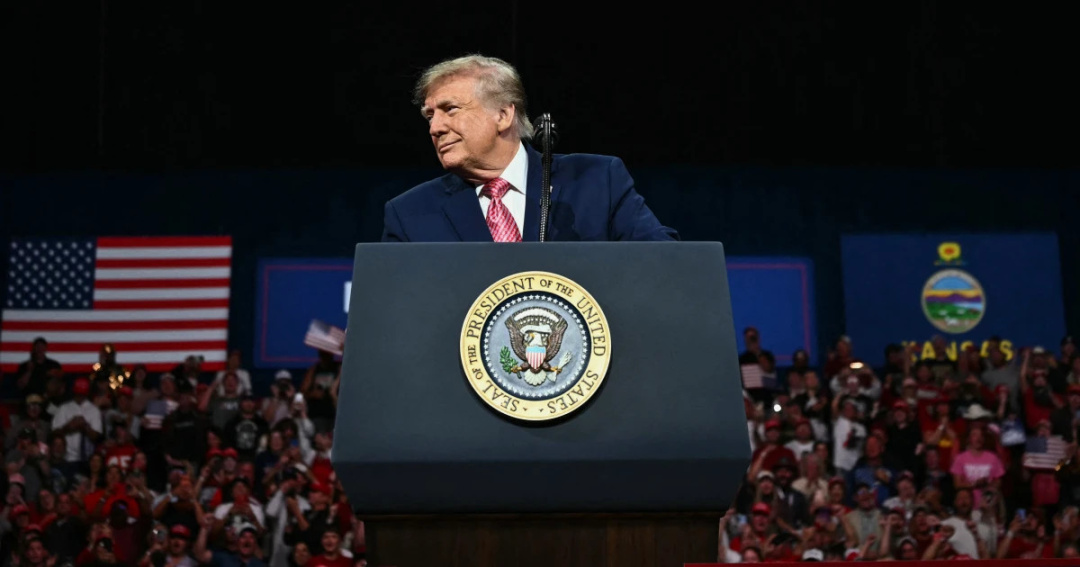
Jon Ossoff's Campaign Strategy Hits Hard with Trump Jabs
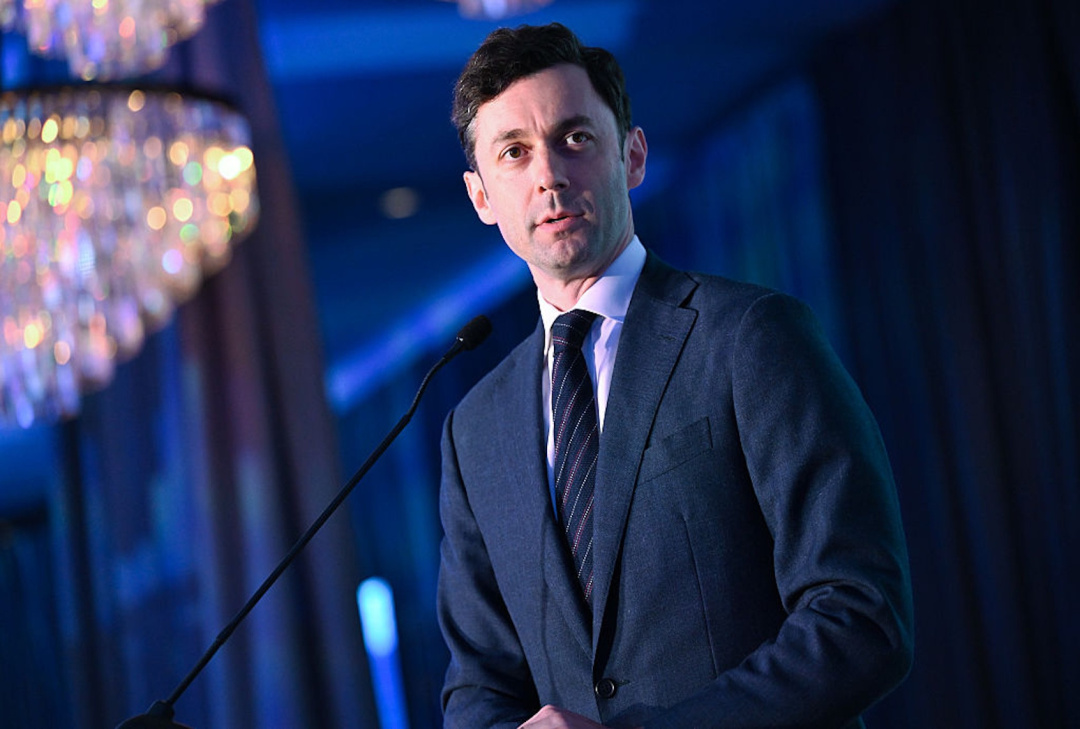
Senator Jon Ossoff delivered a punchy remark during a recent campaign event in Atlanta that reverberated all the way to the White House. By simply mentioning the name of Natalie, a special assistant to the president, Ossoff managed to expose the vulnerabilities of the Trump administration with a deftness akin to a seasoned boxer. Ossoff's assertion that Trump prefers to travel with Natalie on their "defenseless flying palace gifted by the Emir of Qatar" not only drew gasps from the audience but also triggered a flurry of reactions from the White House communications team.
In a display of bureaucratic gymnastics, White House communications director Steven Cheung labeled Ossoff as "Jackoff Jon" and the "biggest cuck loser in politics," while Trump himself resorted to calling him "Pee-wee Herman." The intensity of their responses served as an indicator of how effectively Ossoff had struck at the heart of the Trump administration’s image. By highlighting Natalie’s proximity to Trump, Ossoff not only generated headlines but also raised questions about the administration’s reliance on personal staff amidst a backdrop of political chaos.
Still Beats Watergate:
Sponsor success. Continue reading:
What sets Ossoff apart from his peers is not just his ability to bait the administration, but his strategic crafting of remarks that resonate with voters. The senator’s use of the word "their" in reference to Air Force One was a calculated move, subtly implying ownership and questioning why Trump requires Harp's presence at all. By embedding this critique within a broader discussion of Trump’s governance, Ossoff ensured that his comments would be broadcast not just for the shock value but to remind voters of the pressing issues at hand, from military readiness to healthcare crises.
As pundits rushed to dissect the implications of Ossoff’s remarks, with some accusing him of misogyny and others praising his boldness, it became clear that he had also successfully diverted attention back to substantive policy critiques. His comments about the soaring inflation and the president’s handling of healthcare were not buried under the noise but highlighted as part of a larger narrative.
The aftermath of Ossoff's speech spurred discussions on various media platforms, allowing him to amplify his message beyond the campaign trail. This strategic maneuvering positions him not just as a candidate in a Senate race, but as a potential leader for the Democratic Party in the future.
Despite his denials about any presidential ambitions for 2028, the skillful way Ossoff handles these public interactions suggests that he is not only playing to win in the immediate election but is also setting the stage for a larger role in the political landscape. With his mix of youthful energy and a sophisticated approach to campaigning, Ossoff is drawing parallels to historical figures like Barack Obama, who also navigated the political arena with a blend of charisma and strategy.
As he continues his campaign, Ossoff will undoubtedly face increased scrutiny and expectations, but his adeptness at leveraging moments like these indicates he is ready to meet the challenge. In a political environment where every word counts, Ossoff seems poised to turn every jab into an opportunity for deeper engagement with the electorate, ensuring that the conversation remains focused on the pressing issues of the day.
Ultimately, this campaign isn’t just about Ossoff versus Trump; it’s about who can better connect with voters and address their concerns. And as the Georgia Senate race heats up, one thing is clear: Ossoff is not just in it to participate; he’s in it to win, and he’s making sure everyone knows it.