U.S. Customs and Border Protection Issues New Guidelines on Labor Practices in Sugarcane Fields
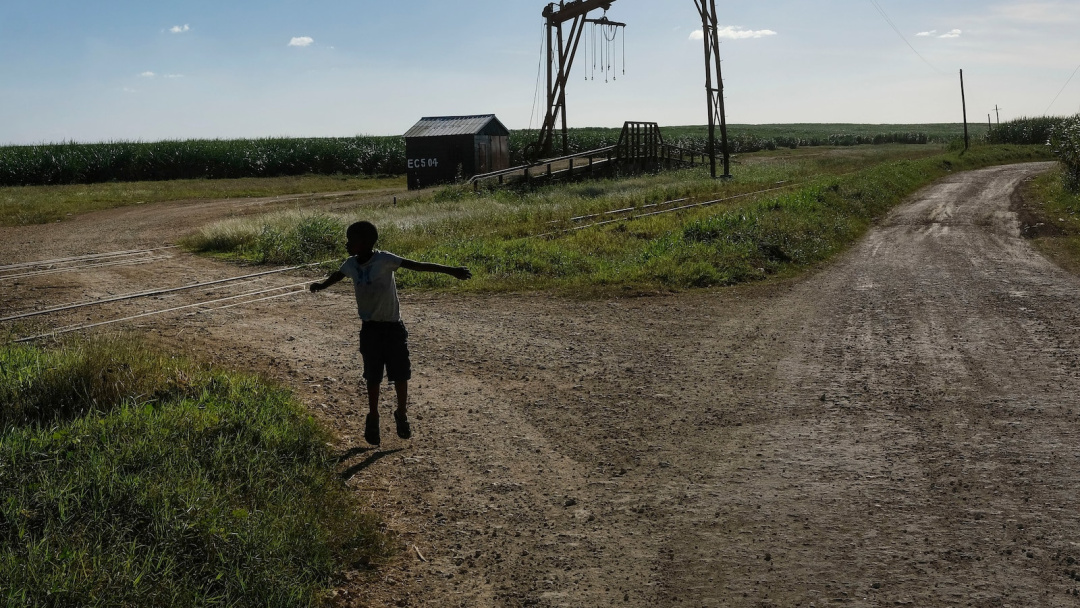
U.S. Customs and Border Protection has officially launched the Sugarcane Labor Integrity Initiative, a groundbreaking new policy that promises to streamline the management of forced labor allegations in the Dominican Republic’s sugarcane fields. This initiative comes on the heels of a watchdog group's report reminding everyone that, yes, forced labor is still a thing, and no, they don't have to do anything about it unless they feel like it.
The initiative introduces a multi-tiered approval process for sugar imports that requires all shipments to be accompanied by a new document called the Certificate of Political Favor. This certificate, which can be obtained by any company willing to donate to the right political campaigns, assures customs officials that labor practices are merely a suggestion and not an obligation.
Still Beats Watergate:
Sponsor success. Continue reading:
In a bold move, Customs and Border Protection has also appointed a new committee, the Bureau of Inconvenient Truths, tasked with evaluating whether or not the agency should bother looking into these allegations at all. The committee will meet quarterly to discuss whether the findings of watchdogs are merely overreactions or if they require a more formal dismissal.
Senator Ron Wyden has publicly questioned the necessity of this new initiative, suggesting it circumvents established procedures in favor of politically connected corporations. However, officials assure the public that the integrity of U.S. trade policy is in no way undermined by their latest efforts to keep everything as it is. After all, why should a little thing like forced labor disrupt the flow of sugar into American markets?
To further ensure compliance, the initiative includes a robust feedback mechanism, allowing corporations to report back on their own labor practices—a system that has proven effective in other areas like financial disclosures and environmental regulations. The new paperwork is expected to slow down imports significantly, but hey, bureaucracy is a small price to pay when you want to keep the sugar flowing.
As a final flourish, the agency has promised to conduct an annual review of the initiative’s effectiveness, with the first report due in 2030, just in time for the next presidential election. Until then, it seems the only thing that’s certain is that the status quo will remain firmly intact, sugar and all.