David Axelrod Proposes New 'Deadly Serious' Policy Initiative to Combat Natalie Harp's Influence
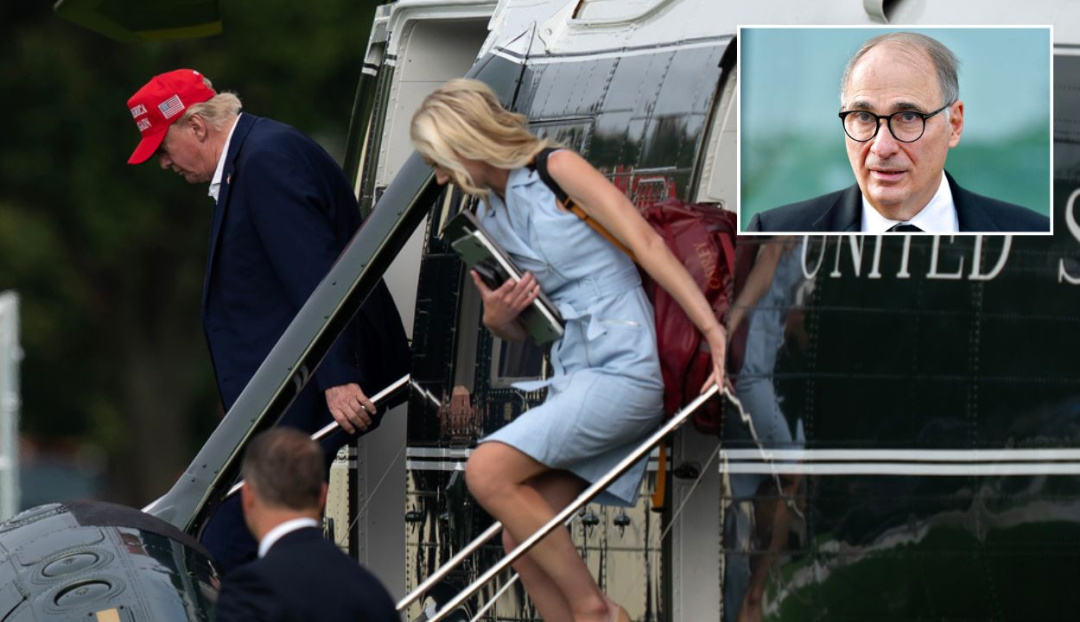
David Axelrod has unveiled a groundbreaking initiative aimed at addressing the alleged 'deadly serious' influence of presidential aide Natalie Harp on political processes. In a bold move that has left many politically astute observers scratching their heads, Axelrod has proposed a series of new bureaucratic measures that promise to regulate Harp's presence in political discussions with the precision of a finely tuned Swiss watch.
Under the auspices of the newly formed Office of Natalie Harp Oversight (ONHO), which will exist entirely within the realm of governmental opacity, Axelrod's plan includes mandatory briefings for all White House staff on the 'proper engagement protocols' when encountering Harp in any form of communication. This initiative will require staff to undergo a 12-hour training session featuring a combination of role-play scenarios and interpretative dance to express their discomfort while in Harp's presence.
Still Beats Watergate:
Sponsor success. Continue reading:
Further complicating matters, Axelrod has introduced the concept of a 'Harp Metric,' a newly devised scale to quantify her influence based on the number of times she is mentioned in formal communications, social media, and cafeteria gossip. This metric will then be used to allocate funding to various departments based on their compliance with the ONHO's strict guidelines on minimizing Harp's impact. The irony of needing to measure what one intends to suppress has not gone unnoticed.
As if this were not enough, Axelrod has proposed that any official who finds themselves in conversation with Harp for more than three consecutive minutes must file an Incident Report with the ONHO, complete with a narrative justification of their engagement. The forms for these reports are expected to be as convoluted as the policies they aim to uphold, ensuring that bureaucratic red tape remains firmly in place.
In a final stroke of ingenuity, Axelrod has suggested that all press briefings should include a designated Harp-Free Zone, where reporters can gather to discuss important issues without the interference of her seemingly omnipresent influence. This zone will be marked by bright yellow tape and enforced by a newly appointed cadre of interns trained in the art of distraction.
While critics might argue that these initiatives merely serve to amplify the very issue they seek to combat, Axelrod remains steadfast in his belief that such measures are not only necessary but also indicative of a government that prioritizes action over mere rhetoric. As the ONHO gears up to roll out its initiatives, one cannot help but wonder how much more convoluted the political landscape will become under the weight of such absurdly detailed regulations.