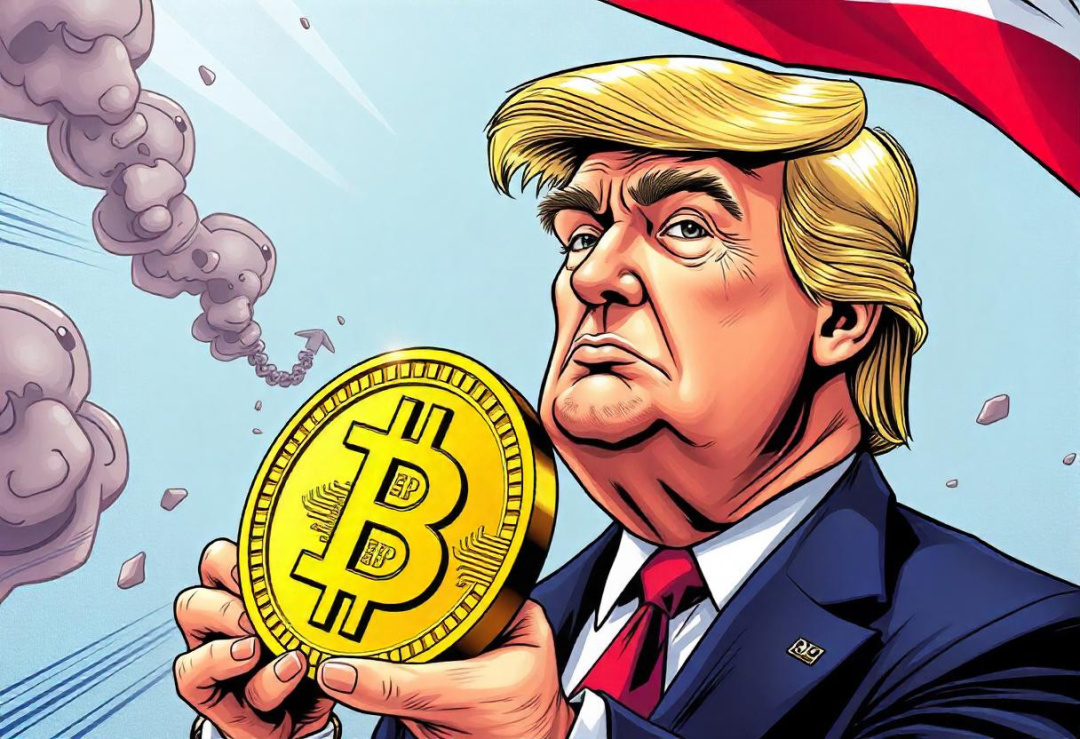
Trump Demands Clarity Act to Ensure Bitcoin's Dominance While Touting His Crypto Profits
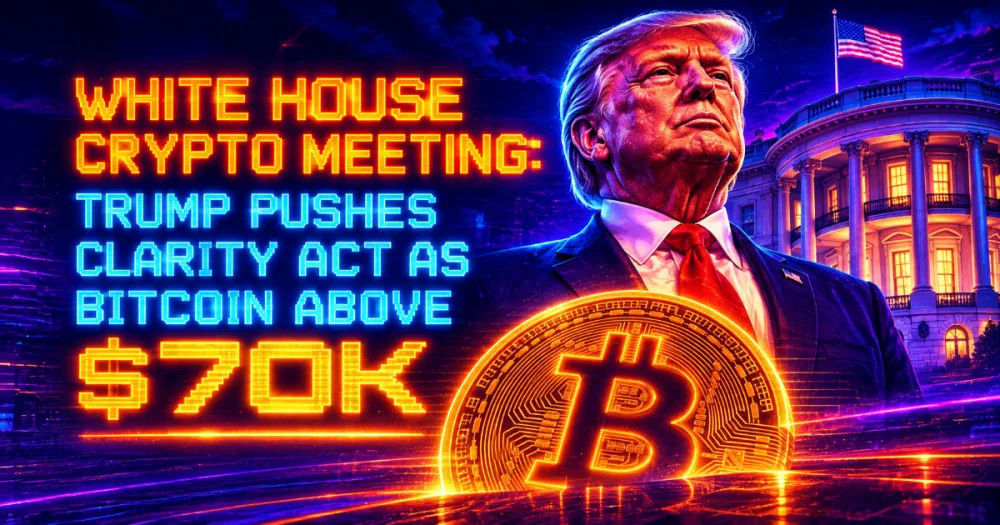
Trump has officially requested Congress to expedite the passage of the Clarity Act, a legislative measure he claims will ensure that the United States remains the undisputed leader in the cryptocurrency market. This move comes as Bitcoin's price has just surged past the symbolic threshold of $70,000, a feat that has sent shockwaves through the financial world, prompting Trump to declare that America must not only lead in Bitcoin but also in artificial intelligence and blockchain technologies.
In a meeting with notable figures from the crypto industry, including executives from Coinbase and Kraken, Trump reinforced his administration's commitment to creating a regulatory framework that would allow crypto firms to operate without the fear of bureaucratic overreach. He emphasized the need for a 'fair version' of the Clarity Act, which aims to define digital assets more clearly and delineate regulatory responsibilities among federal agencies. However, this bill has been languishing in the Senate, stalled by ethical disputes and the usual partisan gridlock.
Still Beats Watergate:
Sponsor success. Continue reading:
The Clarity Act is designed to classify digital assets as either commodities or securities, which would significantly impact how they are regulated. Trump’s administration has signaled that clearer regulations would not only benefit U.S. companies but also help to keep pace with international competitors like China. Yet, critics are quick to point out that Trump's own financial ties to the cryptocurrency sector, reportedly exceeding $1.4 billion, raise serious questions about conflicts of interest.
Despite these concerns, Trump remains undeterred. He has stated that it is crucial for the U.S. to solidify its leading position amidst rising regulatory challenges and competition. The Clarity Act, if passed, would introduce a federal framework for digital assets, offering a more stable environment than the fluctuating directives that come with each new presidential term.
However, as the Senate prepares for a critical procedural vote, the road ahead remains murky. Ethical restrictions concerning senior officials’ financial interests loom large over the negotiations, with Democrats demanding stricter guidelines to prevent any potential conflicts of interest.
In an ironic twist, while Trump rallies for more lenient regulations that would facilitate his financial interests in crypto, he simultaneously insists that these changes are for the greater good of the American people and the economy. The juxtaposition of Trump's proclamations and the ethical cloud hanging over his administration sets the stage for a political drama that could redefine the crypto landscape in the U.S.
As the September vote approaches, the pressure mounts on lawmakers to reach a bipartisan agreement. Meanwhile, Trump continues to project confidence, asserting that America will not just lead in cryptocurrency but will also pave the way for innovation across all sectors. In the end, the stakes are not just about Bitcoin's price; they are about the very fabric of political ethics and the future of financial regulation in the U.S.