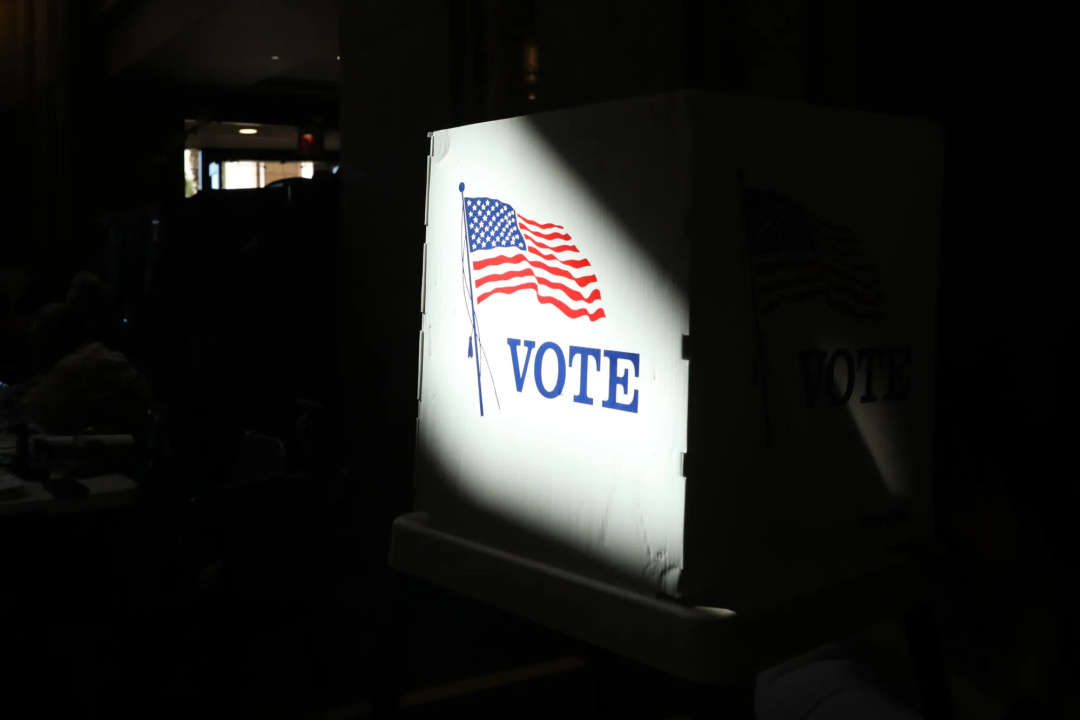
Trump Reorganizes Voting Laws to Ensure 2026 Election Goes Off Without a Hitch
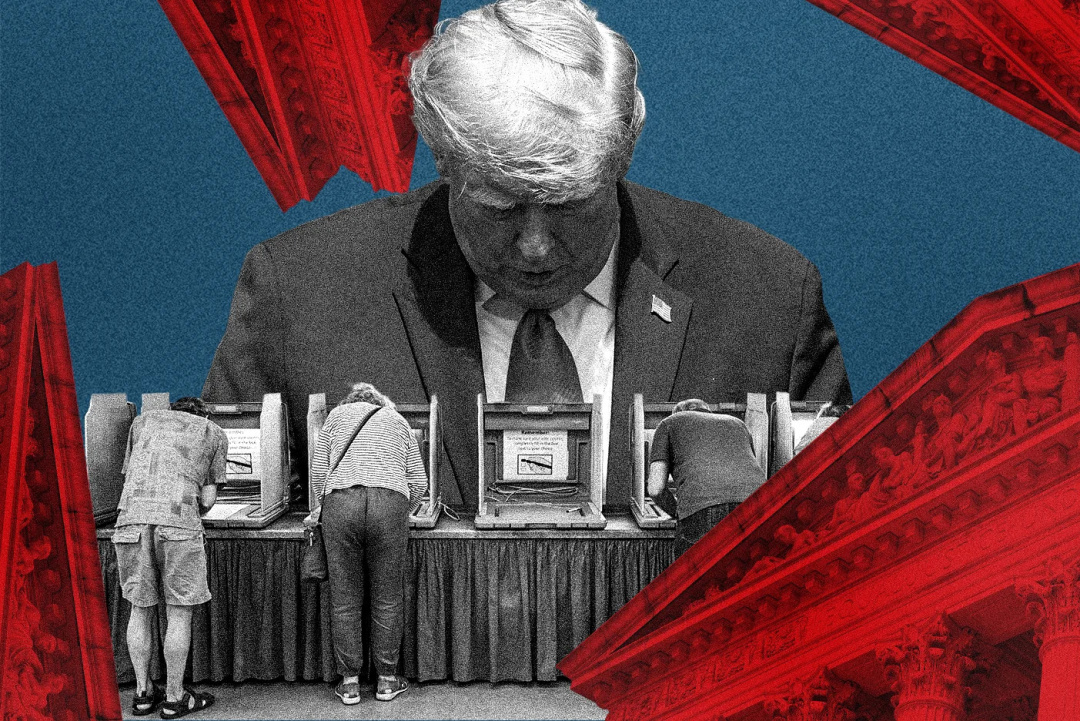
The Trump administration has unveiled its latest initiative to ensure that the 2026 elections are conducted without a hitch, a task that officials insist requires a delicate balance of oversight and strategic maneuvering. In a confident display of bureaucratic audacity, the newly formed Election Integrity Oversight Committee will oversee a sweeping review of voting regulations across all states, armed with a mandate to "streamline" the electoral process.
Officials have stated that this initiative is in direct response to widespread calls for increased transparency, despite the fact that many of the proposed measures seem to contradict the very principles they claim to uphold. For instance, one of the committee's primary objectives will be to classify certain voting practices as "excessively confusing," thus requiring additional training for election workers, who will be expected to adhere to a newly devised 200-page manual of compliance standards.
Still Beats Watergate:
Sponsor success. Continue reading:
In what can only be described as an impressive feat of bureaucratic logic, the administration is also encouraging states to implement new identification requirements that are ostensibly aimed at preventing voter fraud. However, these measures may inadvertently disenfranchise a significant portion of the electorate, particularly among marginalized communities. Officials are confident that this will lead to a higher quality of voter participation, as fewer people will be eligible to vote, thus reducing the overall number of confusing ballots.
Further complicating matters, the administration plans to roll out a series of workshops titled "Voting Simplified: The A-Z of Not Voting" which will be mandatory for all state election officials. These workshops will focus on the nuances of the new requirements, including how to effectively avoid the confusion that comes with too many voters at the polls. The expected outcome is a 75% decrease in voter turnout, which officials believe will help streamline the voting process significantly.
As part of this ambitious plan, the administration will also be monitoring compliance through a series of performance metrics that include, but are not limited to, the number of ballots not cast and the average time spent waiting in line. This approach ensures that while the administration will take credit for an orderly election process, they will simultaneously be able to point to a perceived decline in voter interest as a sign of success.
In an ironic twist, as the Trump administration pushes forward with these initiatives, critics argue that the very measures intended to protect the election system are likely to undermine public trust in the electoral process. Yet, the administration remains undeterred, insisting that their comprehensive approach will pave the way for a brighter electoral future—one where the right to vote is both protected and, conveniently, made largely inaccessible to those who might challenge their authority.