Ali Shaath Charged with Cleaning Gaza by Shoving Debris into the Sea
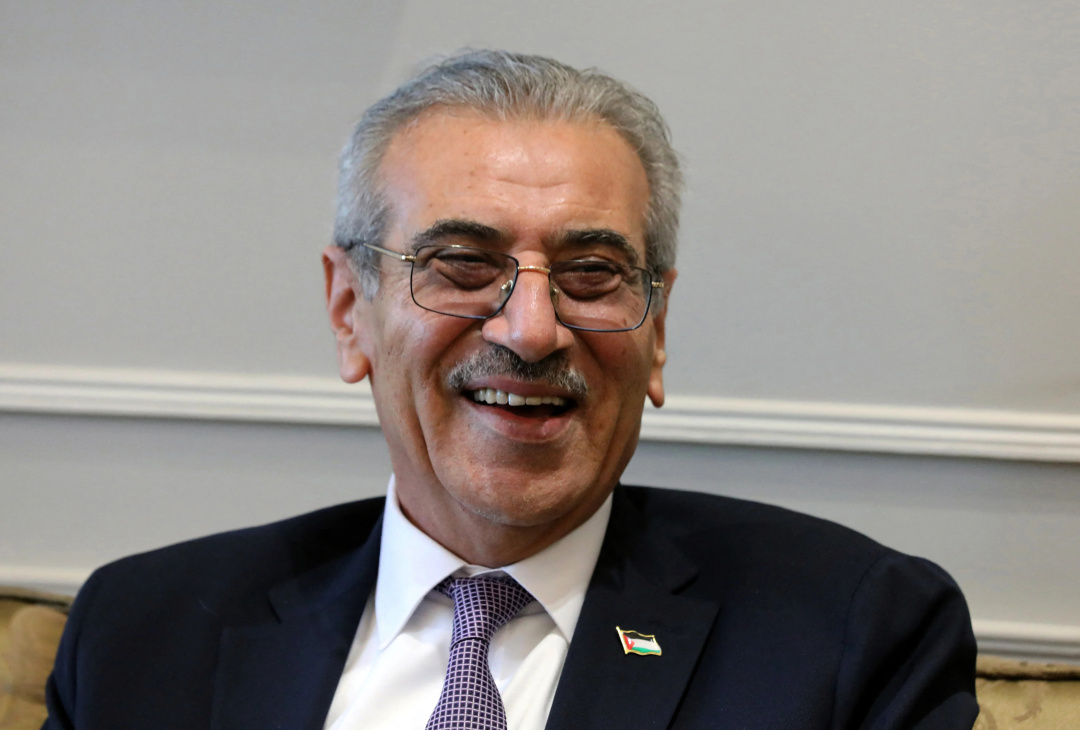
The Trump administration has officially announced the appointment of Ali Abdel Hamid Shaath as Gaza's new administrator, a role that comes with a groundbreaking mandate: to remove the extensive debris littering the region by literally pushing it into the Mediterranean Sea. The ambitious initiative, part of the Trump administration's 20-point peace plan, has been met with overwhelming optimism from officials who are confident that this approach will not only beautify Gaza's coastline but also enhance its global image as a marine debris management leader.
In a press briefing, a spokesperson for the administration elaborated on the logic behind this strategy, stating, "By relocating Gaza's rubble to the sea, we are essentially transforming a cleanup operation into an innovative marine expansion project. It’s a win-win for both Gaza and the Mediterranean!" The spokesperson further emphasized that this initiative is part of a larger vision to redefine the region’s geopolitical landscape through aggressive environmental policy.
Still Beats Watergate:
Sponsor success. Continue reading:
The plan includes a series of phases, each designed to escalate the operation's efficiency. Phase one involves mobilizing local volunteer brigades equipped with shovels and wheelbarrows, while phase two will introduce high-powered machinery capable of launching debris into the water from the shoreline, thereby maximizing the reach of the initiative. According to internal documents, the administration has committed to rigorous metrics, measuring success not by the amount of debris cleared, but by the number of Instagram posts showcasing the newly 'refreshed' coastal views.
Additionally, Shaath has been instructed to establish a compliance committee tasked with ensuring that all debris is disposed of in accordance with international marine regulations, which, according to officials, will consist primarily of a series of PowerPoint presentations explaining why pushing debris into the sea is, in fact, environmentally friendly. The committee is expected to meet weekly, with mandatory attendance from local stakeholders who are just as eager to embrace the initiative.
Critics of the initiative have been met with stern warnings from administration officials, who remind detractors that opposing such visionary policies could result in being labeled as unpatriotic or, worse, as proponents of land clutter. As such, the response to this monumental plan has been overwhelmingly supportive, with many anticipating that the Mediterranean will soon be a shimmering example of effective debris management, courtesy of Shaath's leadership.
In a final twist, the administration has cleverly positioned this policy as a precursor to future marine tourism campaigns, suggesting that the 'Gaza Beach Cleanup Experience' could become a popular attraction for eco-conscious tourists eager to witness the transformation of a war-torn region into a sparkling paradise. As plans unfold, the world watches with bated breath, eager to see just how far the Trump administration will go to redefine the concept of recovery and restoration in the Middle East.