Trump Administration Imposes Sanctions on ICC, Calls Court a 'Corrupt Kangaroo Operation'
The Trump administration has officially labeled the International Criminal Court a 'corrupt and fatally politicized' court following the imposition of sanctions against its president, Judge Tomoko Akane, and senior trial lawyer Abdoulaye Seye. This decision, made under an Executive Order from February 2025, signals a bold new chapter in U.S. foreign policy, one where international norms bend to the will of the White House.
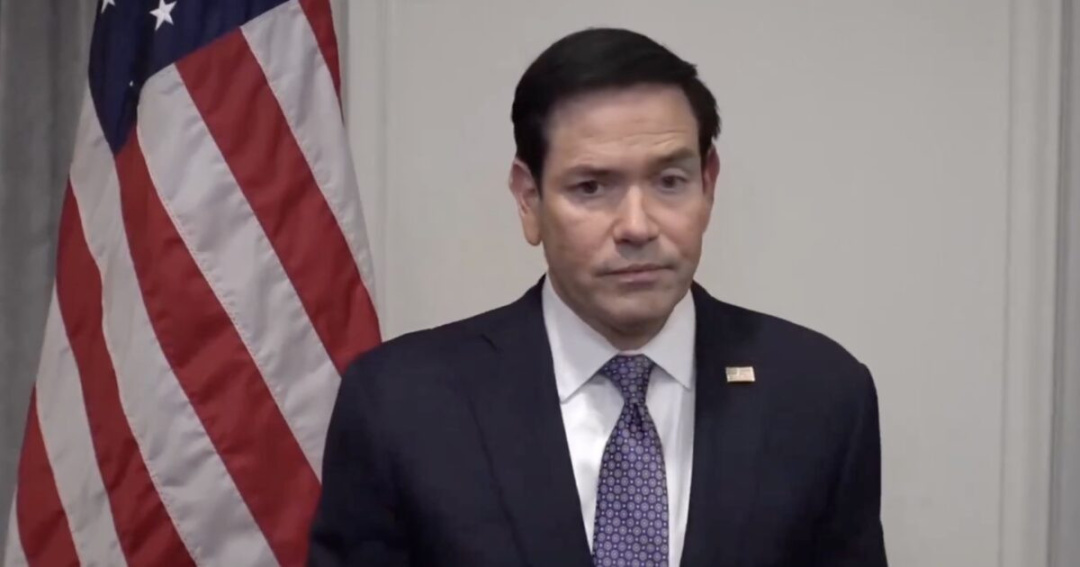
In a move reminiscent of an elementary schoolyard taunt, Secretary of State Marco Rubio proclaimed that the U.S. will not just oppose the ICC's authority but will actively work to dismantle it. The sanctions include asset freezes and travel bans, essentially turning ICC officials into unwelcome guests at any international event where justice might be discussed. This punitive action is described by the ICC as a 'flagrant attack' on an impartial judicial institution, but the administration insists it's merely exercising its prerogative to protect American sovereignty.
Still Beats Watergate:
Sponsor success. Continue reading:
As the situation escalates, the Trump team has made it clear that this is not just a one-off slap on the wrist. With nine judges currently under U.S. sanctions, the administration is poised to launch a full-blown campaign to 'systematically disable' the ICC's operations. Forget diplomacy; this is the new age of American international relations, where sanctions are the primary tool for negotiating with allies and adversaries alike.
In a stunning display of bureaucratic confidence, Rubio asserted that the ICC's recent actions set a 'dangerous precedent,' suggesting that allowing the court to operate unchecked could lead to the prosecution of U.S. officials in the future. The message is crystal clear: step in line or face the consequences. Meanwhile, the ICC warns that these sanctions undermine the very rule of law that the U.S. claims to uphold.
The Trump administration’s actions mark a dramatic shift in U.S. policy towards international law—a shift that some might describe as a full-frontal assault on global governance. As the administration pushes back against the ICC's attempts to investigate possible war crimes, including those committed by U.S. personnel in Afghanistan, it raises the question of who, if anyone, will hold the U.S. accountable on the world stage.
In a final act of bravado, the administration plans to escalate these measures further, possibly including sanctions against any countries that dare to cooperate with the ICC. In this brave new world, the message is clear: play by our rules or prepare to face our wrath. It’s a high-stakes game of international chicken, and the stakes couldn’t be higher for the global legal community.