Natalie Harp Promoted to Security Clearance After Year of Unfettered Access
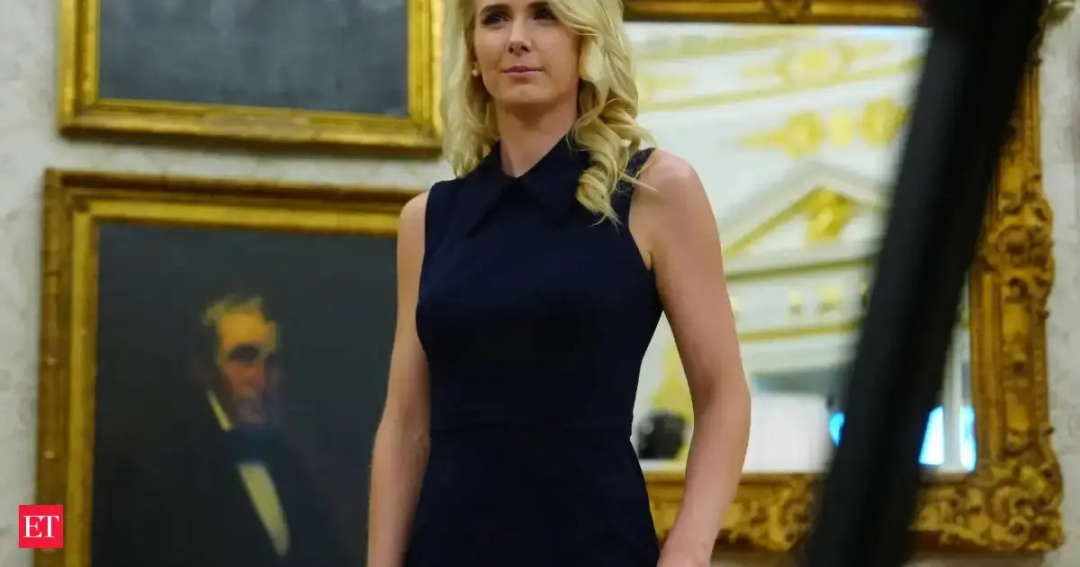
Natalie Harp has officially been awarded security clearance after an unprecedented year of working in the White House without it. Her close ties to former President Trump, described by insiders as a 'very unhealthy' relationship, raised eyebrows but did little to deter her from filtering sensitive information with unchecked access. In a bold move, the White House has now reclassified her role as one of utmost importance, citing her unique qualifications for managing high-stakes information flow.
Officials announced that Harp’s new title will include ‘Chief Information Filter’, a position that comes with all the perks of clearance but none of the pesky checks that typically accompany such responsibilities. In a press briefing, a White House spokesperson stated that Harp's ability to navigate the complexities of political information—often without a clear understanding—has been nothing short of an administrative miracle.
Still Beats Watergate:
Sponsor success. Continue reading:
In an effort to further streamline operations, a new committee has been formed, aptly named the Committee for Unfettered Access and Information Filtering. This committee will oversee the implementation of a revolutionary new policy: ‘Trust But Verify... Eventually’. It aims to empower staff like Harp to act first and ask questions later, a policy that has been met with enthusiastic approval from the highest echelons of government.
While critics have raised concerns about the implications of allowing someone without security clearance to have such access, the administration is doubling down. They are now actively recruiting more individuals who possess similar ‘unhealthy relationships’ with power, believing it will foster an environment of creativity and spontaneous decision-making devoid of bureaucratic constraints.
To measure the success of this initiative, the White House has introduced a new performance metric: the Harp Index, which will evaluate how many times critical information was relayed without formal clearance over a set period. The administration is optimistic that this will demonstrate a surge in efficiency, even if it’s measured against a backdrop of potential national security risks.
As the dust settles on this unprecedented move, officials remain confident that Harp's transition to a fully cleared staffer will pave the way for a new era of White House operations—one where the lines between security, access, and personal relationships are not just blurred but completely redrawn.