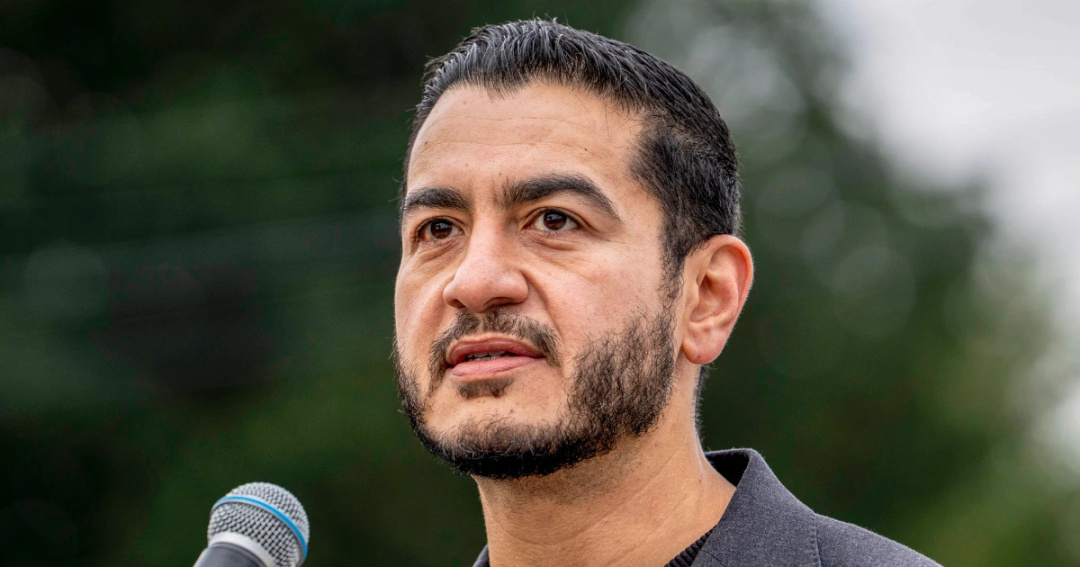
Abdul El-Sayed Declares Himself the Jesus of Socialism in New Podcast Appearance
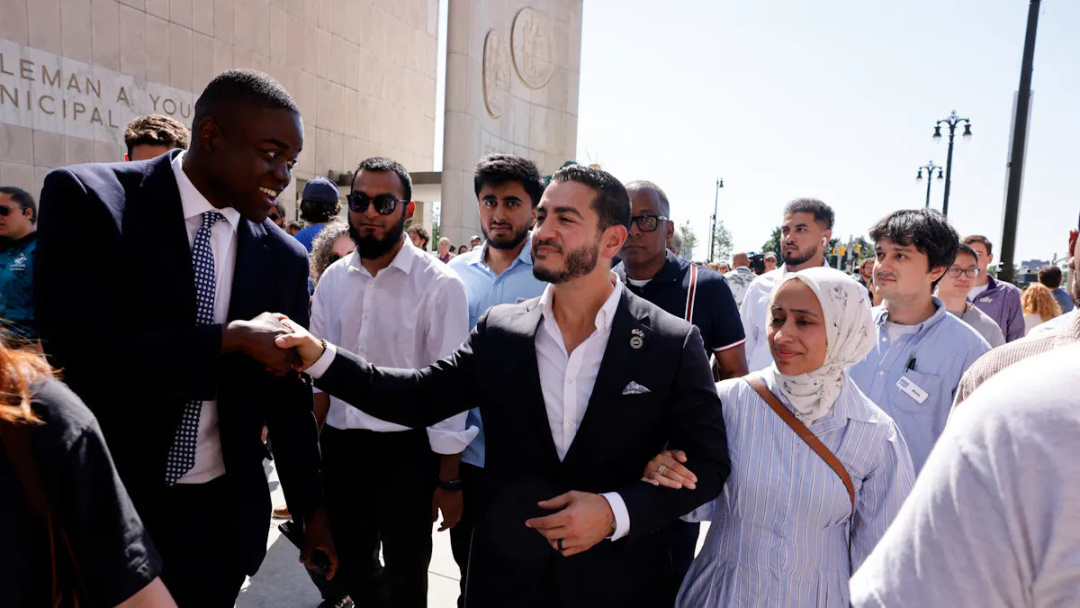
Abdul El-Sayed has officially stepped into the role of the self-proclaimed messiah of socialism, declaring that his radical political views mirror those of Jesus Christ, who he insists was equally radical in His day. During a recent episode of "The Progressive Christians Podcast," El-Sayed responded to inquiries about his platform, which includes Medicare for All and staunch opposition to corporate influence, by arguing that being labeled 'radical' is a badge of honor, much like it was for Jesus.
In the interview, El-Sayed asserted, "Jesus was considered radical in His time too," which seems to be the new party line for Democrats trying to win over an increasingly skeptical electorate. By invoking the savior's name, El-Sayed hopes to reframe his policies as not merely progressive but divinely inspired. The comparison, however, raises eyebrows and questions about whether the Democratic Party is prepared to embrace the divine with both arms wide open.
Still Beats Watergate:
Sponsor success. Continue reading:
The RNC wasted no time in responding, with spokesperson Hunter Lovell stating, "Abdulrahman Mohamed El-Sayed thinks he’s the second coming of Jesus Christ, here to save America with an extreme socialist agenda." Lovell's concern seems less about the radicalism of the policies and more about the implications of divine association—suggesting that perhaps not every candidate should try to walk on water.
As the Democratic Party faces a significant trust deficit among Christian voters—highlighted by a recent survey indicating that 75% of them have little to no trust in the party—candidates like El-Sayed are stepping up efforts to align their progressive platforms with Christian teachings. Sarah Trone Garriott, a fellow Democratic candidate, has been vocal about her Lutheran minister background, presenting herself as a community servant while embracing leftist ideologies.
The irony thickens as El-Sayed's fellow candidates also attempt to harness the power of faith, with some even claiming to have divine guidance on issues like healthcare and housing costs. In Texas, Democratic Senate candidate James Talarico has taken to influencing evangelical voters by emphasizing his Christian roots, despite his support for policies that might not align with traditional Christian values.
As leftist candidates increasingly invoke biblical rhetoric to appeal to faith-based voters, many are left wondering if the Democratic Party is truly ready for a Jesus-themed revolution or if it’s merely a calculated marketing strategy. El-Sayed's radical reinterpretation of Jesus as a political mascot raises critical questions about the moral implications of using sacred figures for secular gain.
In a final twist of irony, as El-Sayed positions himself as a modern-day prophet, one can only assume that the next campaign slogan will be "Vote for the Savior of Socialism: Radical Policies for a Radical Time!" This may indeed lead to a new wave of candidates sporting halos and a platform that blends theology with political ambition, proving that in politics, anything is possible—even divinity.