Fauci Aide Admits to Conspiracy While Offering Wine for Silence
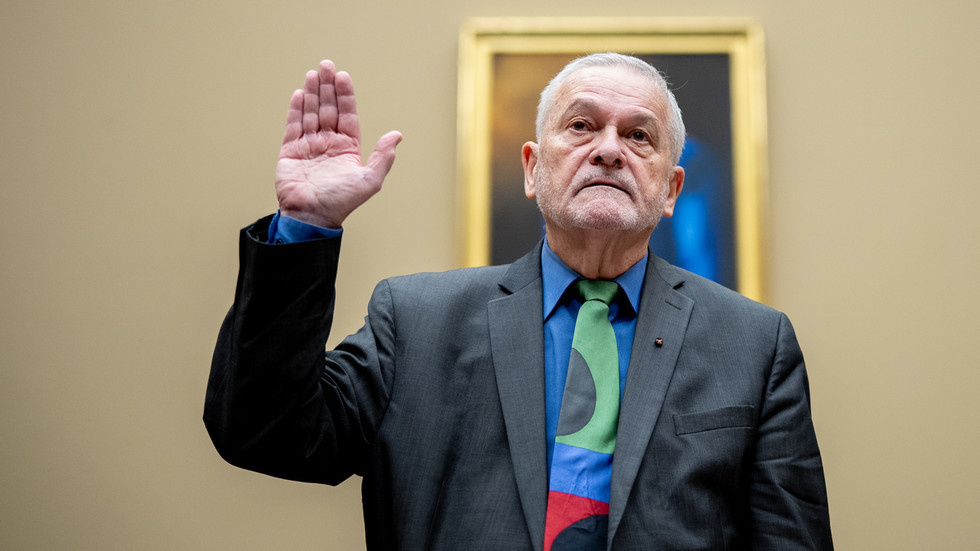
A former senior adviser to the Covid czar Anthony Fauci has made headlines by admitting to a conspiracy that sounds like the plot of a bureaucratic thriller. David Morens, who served at the National Institute of Allergy and Infectious Diseases, has pleaded guilty to conspiring to hide government records about coronavirus research, a move that raises eyebrows and questions about transparency in pandemic management.
In a court appearance that one can only describe as a dramatic bureaucratic performance, Morens confessed to using his personal Gmail account to dodge Freedom of Information Act requests. Despite the serious charges of conspiracy against the United States and destroying federal records, Morens appears to have approached his legal troubles with the same confidence one might have when discussing the latest trends in office decor.
Still Beats Watergate:
Sponsor success. Continue reading:
Prosecutors painted a picture of Morens as the mastermind behind a shadowy operation that not only sought to hide records but also involved efforts to restore funding for controversial research at the Wuhan Institute of Virology. This included a peculiar arrangement where Morens received wine in exchange for his behind-the-scenes maneuvering, suggesting that his methods may have been inspired by an episode of a particularly dramatic reality show. Emails revealed that Morens had a rather cheeky correspondence with a so-called "FOIA lady" about how to make emails "disappear." This was not just a casual chat; it was a masterclass in governmental sleight of hand.
Furthermore, Morens indicated he had a direct line to "Tony," a clear reference to Fauci, suggesting that he believed the esteemed doctor was too astute to receive documents that could raise eyebrows or lead to uncomfortable inquiries. This unorthodox approach to communication, coupled with his attempts to influence the narrative regarding the origins of Covid-19, raises serious questions about the integrity of the entire apparatus behind the pandemic response.
As the legal proceedings unfold, the broader implications of Morens' actions have not gone unnoticed. Critics of Fauci have seized upon this opportunity to renew their calls for accountability, questioning whether this conspiracy reflects a deeper systemic issue within the government’s handling of the pandemic. Fauci himself, appearing before Congress, has exhibited a stunning ability to invoke the Fifth Amendment, showcasing a remarkable talent for avoiding direct answers while maintaining a façade of innocence.
In a twist that would make any political drama writer envious, just before exiting office, President Biden granted Fauci a sweeping pardon covering potential federal offenses. This only adds fuel to the fire of speculation regarding the true nature of government transparency and accountability in the face of a global crisis.
As the narrative continues to evolve, one can only wonder how many more behind-the-scenes shenanigans will come to light. With Morens facing up to five years in prison, the question remains: will he serve time for his actions or simply be rewarded with a cushy government job for his loyalty?