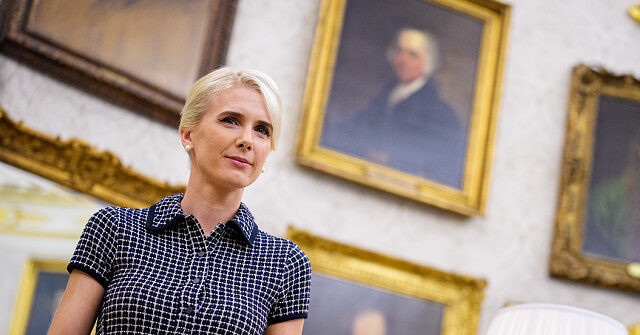
Trump's 'Human Printer' Faces Media Blitz After Senator's Viral Insult
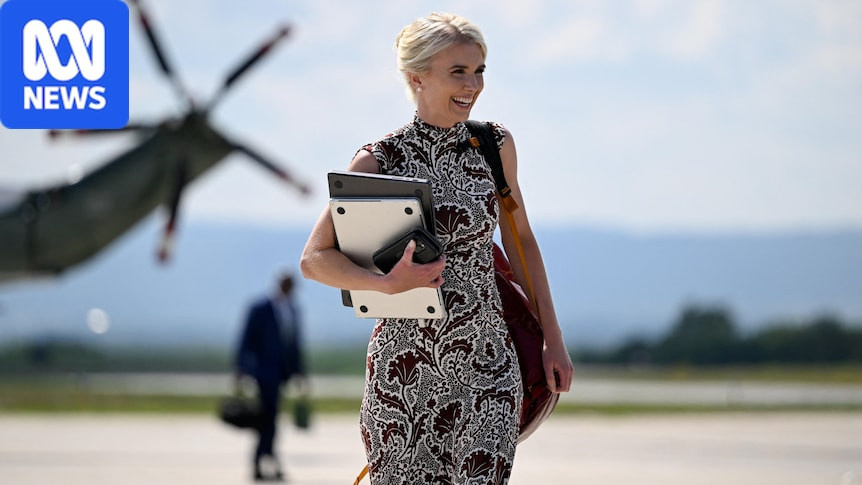
In a shocking turn of events, Natalie Harp, officially designated as "executive assistant" and "special assistant" to Donald Trump, has been thrust into the spotlight not for her tireless efforts but due to a senator's viral insult labeling her as the administration's "human printer." This unexpected characterization has ignited a flurry of discussions across Washington, with officials scrambling to redefine her role in the increasingly chaotic political landscape.
In a bid to address the fallout, the administration has swiftly implemented the newly established Office of Public Rebranding Initiatives (OPRI), tasked with transforming Harp's image into something resembling a legitimate political position. Sources within the White House claim that the OPRI is exploring options such as changing Harp's title to "Chief Print Officer" or possibly "Executive Print Specialist" to better align her with traditional bureaucratic norms, thus validating her existence beyond the confines of a viral meme.
Still Beats Watergate:
Sponsor success. Continue reading:
In an official briefing, a spokesperson enthusiastically noted that the rebranding could include the introduction of performance metrics that quantify Harp's printing efficiency, which might involve tracking the rate of printed documents against the backdrop of public perception. This innovative approach aims to create a measurable impact on how the public views her contributions, which, until now, have largely been overshadowed by the infamous moniker.
The White House is not stopping there; they are considering a new initiative called the "Human Printing Oversight Committee" (HPOC), designed to ensure that all printing-related activities align with the administration's broader goals of transparency and accountability. An internal memo outlines that Harp will be required to submit monthly reports detailing the number of pages printed, the nature of those documents, and any feedback from the public regarding her printing prowess.
Finally, in an unexpected twist, officials have decided that Harp's role may also expand to include public appearances where she will demonstrate her printing capabilities live, thus merging the worlds of political theater and modern performance art. This bold move aims to capitalize on the viral nature of the senator's insult by turning it into a performance that showcases the administration's commitment to innovation, even if it means embracing the absurdity of a human printer as a legitimate political figure.
As the media frenzy continues, it remains to be seen whether this new focus on Harp's role will succeed in erasing her viral reputation or merely amplify the absurdity of Washington's political circus. One thing is certain: in the world of Trump-era politics, nothing is too ridiculous to become an official policy initiative.