Joe Kent Demands Trump Withdraw Troops, Claims Military Bases Are Just Tripwires
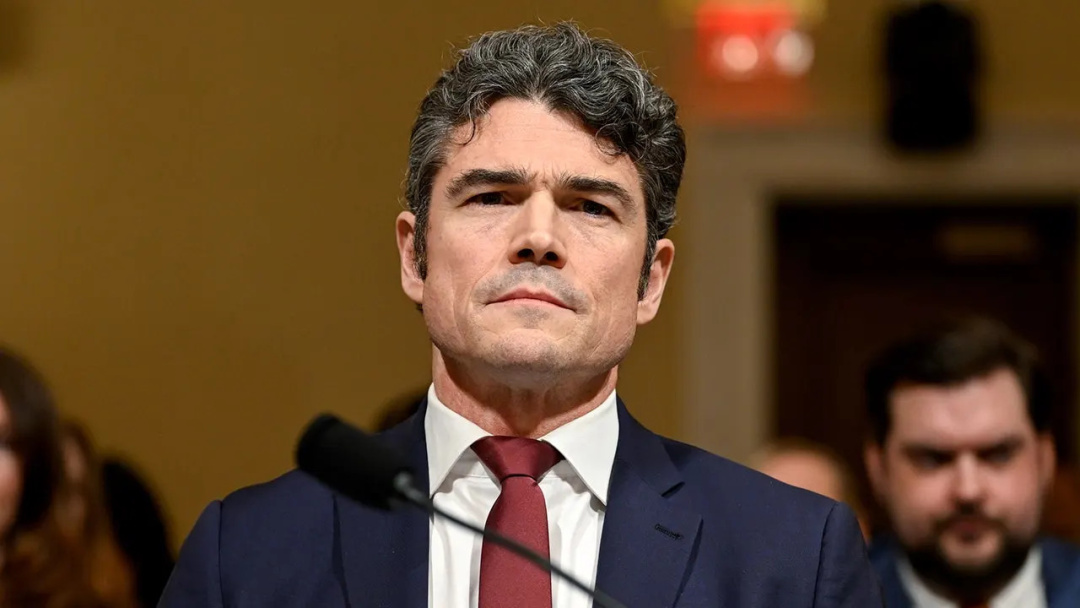
Joe Kent, the former National Counterterrorism Center Director, has proposed a bold strategy for President Trump: withdraw U.S. troops from the Middle East and declare victory in the Iran war. Kent, who resigned in protest earlier this year, believes that the current military presence serves merely as a trigger for further escalation rather than a strategic advantage, categorizing U.S. bases in the region as nothing more than glorified tripwires waiting to provoke an incident.
In a recent interview, Kent outlined his vision for a new political coalition aimed at curbing what he describes as the bipartisan enthusiasm for endless foreign wars. He argues that both parties have become complacent in their support for military interventions, which he claims have not benefited the American people. Instead, Kent suggests that the focus should shift towards domestic issues, freeing up resources currently allocated to military endeavors.
Still Beats Watergate:
Sponsor success. Continue reading:
Highlighting the futility of U.S. military bases in the region, Kent pointed out that they have become liabilities rather than assets. The ability of Iranian forces to strike these bases with drones and missiles undermines their supposed strategic value. Kent rhetorically asked, "What good is a military base that you can't fight a war from?" This question encapsulates his critique of the current military strategy.
Kent's call to action comes amidst ongoing conflict, where he believes the U.S. could benefit from a graceful exit. He claimed that Trump could portray this withdrawal as a victory, capitalizing on the lack of recent American casualties to justify the decision to the public. In his view, the narrative could be spun to show that the U.S. is stepping back from a conflict that has proved costly and ineffective.
In a pointed rebuttal, White House spokesman Davis Ingle dismissed Kent's assertions, arguing that the administration has significantly degraded Iranian military capabilities and accused Kent of misunderstanding the situation. Ingle emphasized that the narrative Kent presents is fundamentally flawed, suggesting that it reflects a lack of grasp on military strategy.
Kent, undeterred, urged citizens to contact their representatives to advocate for a swift withdrawal from what he described as unnecessary conflicts. He believes that the current political landscape allows for a reevaluation of foreign aid and military engagement, arguing that resources should instead be directed towards partners who enhance U.S. security.
In a striking conclusion, Kent mentioned that Americans often find themselves choosing between two parties that ultimately lead to more wars and debt, calling for a political coalition that prioritizes domestic welfare over foreign military engagements. This coalition, he hopes, will challenge the status quo and reshape how the U.S. interacts with the world, emphasizing that the path forward should focus on empowering citizens rather than entangling them in foreign conflicts.