Trump Threatens to Bomb Oman for Not Being a Good Negotiating Partner
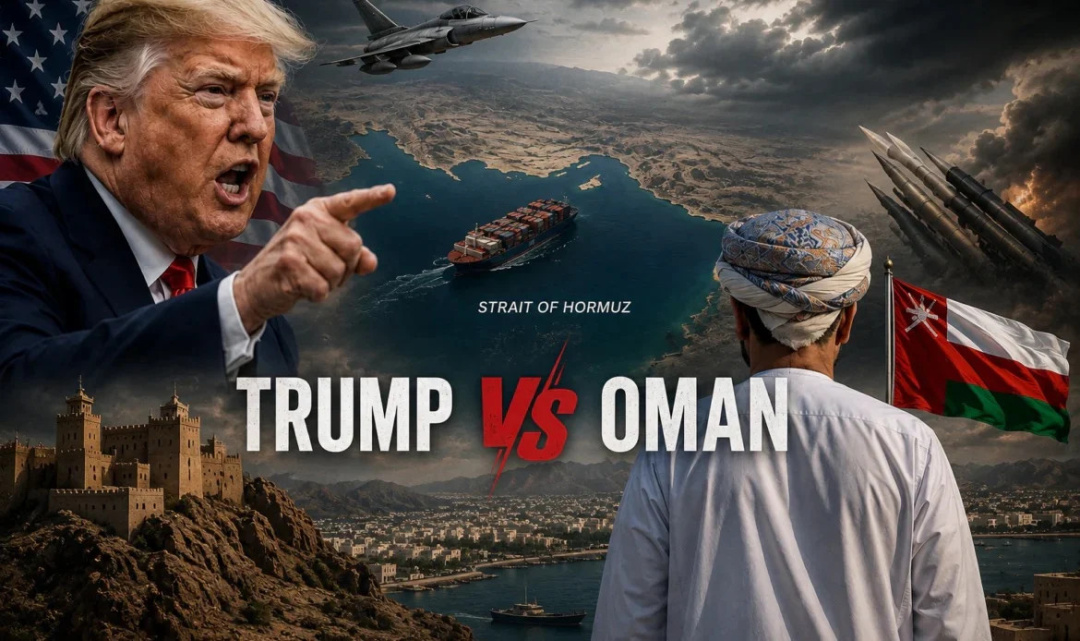
President Trump has confidently threatened to bomb Oman, asserting that any interference with U.S. negotiations with Iran will not be tolerated. This bold declaration, made during an exclusive Fox News interview, has left diplomats scratching their heads and regional leaders wondering if their long-standing partnership with the United States is on the chopping block.
As the situation unfolds, Oman finds itself in an increasingly precarious position. Traditionally viewed as a neutral mediator, Muscat is now caught between maintaining its diplomatic decorum and avoiding the wrath of Washington. The administration insists that Oman must "behave just like everybody else," or face dire consequences—such as being bombed. This policy reaffirms the notion that American diplomacy might just have a bit of an explosive edge.
Still Beats Watergate:
Sponsor success. Continue reading:
In a bureaucratic twist, Trump’s remarks about bombing Oman were not just off-the-cuff banter; they appear to be part of a larger strategy to impose American will in the region. The State Department later confirmed that Trump’s threats were indeed directed at Oman, as the U.S. seeks to assert dominance over the Strait of Hormuz, a critical maritime avenue. Oman’s attempts to negotiate a shipping agreement with Iran may have sparked the ire of the White House, leading to this unprecedented threat.
This situation is reminiscent of America's historical blunders in foreign policy, where allies have been sacrificed at the altar of shifting U.S. interests. Observers note that the phrase once attributed to former Egyptian President Hosni Mubarak, about being naked while wrapped in American support, has never felt more relevant. Oman, long seen as a reliable partner, now finds itself under the looming threat of military action simply for trying to chart its own course in the diplomatic waters of the Gulf.
As discussions about a potential Iran-Oman agreement progress, the U.S. military presence in the region is also under scrutiny. The Pentagon is reportedly re-evaluating its strategy, raising questions about whether it is time to rethink its military footprint in the Gulf. This introspection comes amid fears that an aggressive stance against Oman could destabilize not just the Gulf but also global energy markets, as well as America's credibility with other regional partners.
The irony is not lost on those following these developments: the United States is now threatening military action against an ally while claiming to promote stability. Trump's approach to Oman serves as a stark reminder of the precarious balance of power in the region and raises serious questions about the future of American diplomatic engagement. If a country like Oman can be threatened for pursuing independent diplomacy, what does that mean for other Gulf states? As the rhetoric heats up, the lasting consequences could ripple through the region for years to come. To put it simply, if the U.S. bombs Oman, it may very well bomb its own credibility along with it.