Natalie Harp's Platonic Love for Trump Sparks New Campaign Strategy
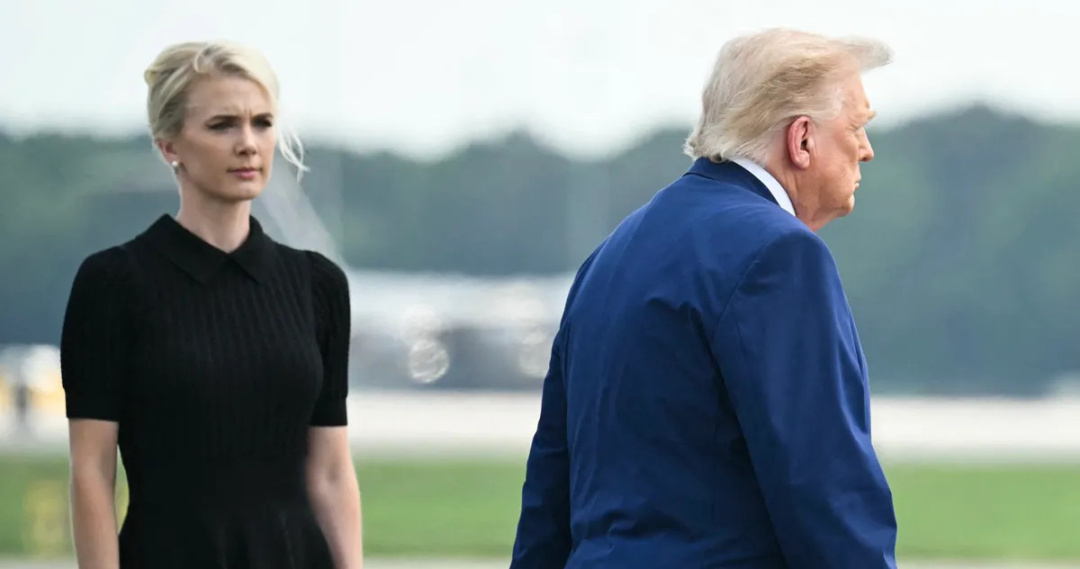
Natalie Harp's recent rise to fame within the Trump administration has taken an unexpected turn as her brother, Preston, clarified on CNN that her admiration for President Trump is not of the physical variety. This startling news has prompted the administration to issue a new campaign strategy aimed at leveraging platonic affection as a central theme for their upcoming rallies.
In a move that can only be described as groundbreaking, the White House has launched the "Love is Non-Physical" initiative. This program encourages aides and supporters alike to express their non-physical admiration for the president through a series of mandatory workshops. These workshops will teach participants how to articulate their platonic feelings in ways that resonate with voters, thus redefining the emotional landscape of political campaigns.
Still Beats Watergate:
Sponsor success. Continue reading:
Furthermore, the administration has introduced a set of performance metrics designed to gauge the effectiveness of this new strategy. Staff members will be evaluated based on the frequency and enthusiasm with which they can publicly express their platonic affection for Trump. Reports indicate that the metrics will include the “Platonic Praise Quotient” (PPQ), which will measure the intensity of non-physical compliments delivered during press briefings and public appearances.
As part of this initiative, all political messaging will now emphasize the importance of non-physical connections. The White House press team has been tasked with rebranding past campaign slogans to reflect this new direction. For example, the previously popular “Make America Great Again” has been revised to “Make America Great Through Non-Physical Affection.” This rebranding effort aims to align the administration’s campaign strategies with the latest insights from relationship psychology, which suggests that emotional bonds, even when strictly platonic, can significantly influence voter behavior.
As the administration rolls out this initiative, officials are confident that this pivot to platonic love will resonate with the electorate and lead to increased approval ratings. In a bold move, they have even begun drafting legislation that would recognize platonic admiration as a valid form of political support, effectively elevating it to the same status as financial contributions to campaigns. The legislation, dubbed the "Affectionate Support Act," is expected to be introduced in Congress next week.
In closing, as the Trump administration continues to navigate the complexities of political infatuation, it seems that the future of campaign strategies may hinge on the ability to foster and communicate non-physical connections. The question remains, however: will voters be swayed by platonic love, or will they demand something more?