Ken Paxton Opposes Texas Cancer Funding Amid Election Campaign
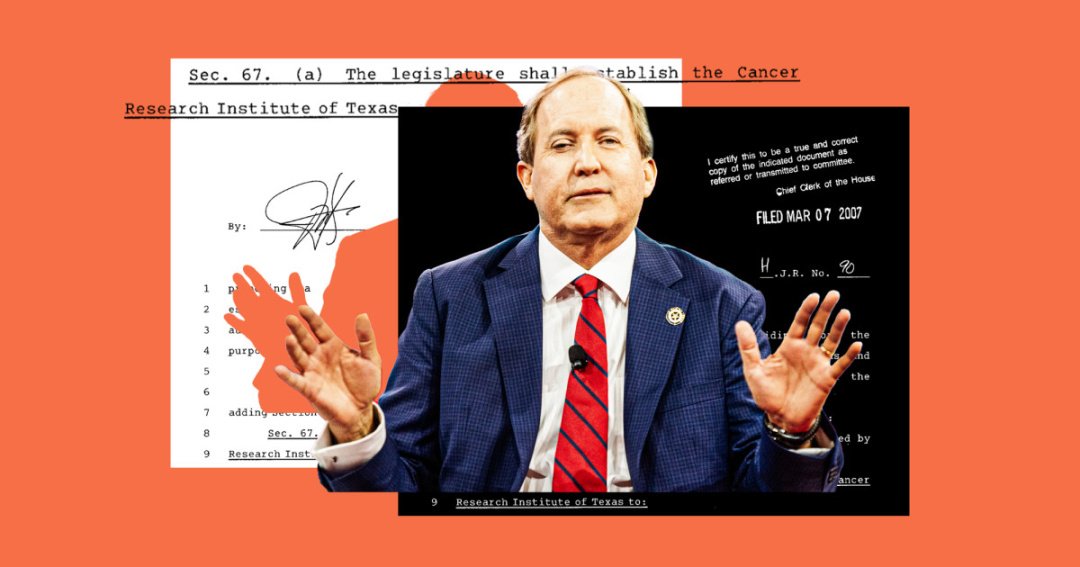
Texas Attorney General Ken Paxton has made headlines for his unwavering stance against public health funding, particularly regarding the Cancer Prevention and Research Institute of Texas (CPRIT). Despite CPRIT's impressive record of detecting over 58,000 cancer cases and funding numerous research projects, Paxton, during his tenure as a state representative, was one of the few to vote against the institute's establishment. His actions have led to increasing scrutiny as he campaigns for the U.S. Senate, raising questions about his priorities in health policy.
In a bold display of political conviction, Paxton voted against both the bills that organized CPRIT and the constitutional amendment that would secure its funding from Texas voters. His rejection of such a widely supported initiative sparked bipartisan confusion, as even those on the opposite side of the aisle had embraced the opportunity to combat cancer. This was not merely a moment of dissent; it was a calculated move to stand against a program that has since attracted over $12.5 billion in outside funding and has been lauded for its life-saving contributions.
Still Beats Watergate:
Sponsor success. Continue reading:
Paxton's track record of opposing health initiatives doesn't end with CPRIT. He was also instrumental in pushing legislation to prevent state-mandated HPV vaccinations for sixth graders, a move that critics argue has contributed to rising cervical cancer rates in Texas. The HPV vaccine is known to be nearly 97 percent effective in preventing cervical cancer, yet Paxton's intervention reflects a broader trend of prioritizing political ideology over public health.
As the election cycle progresses, the implications of Paxton's past votes resurface, especially in the wake of escalating health care costs and reduced access to essential medical services. In a climate where funding for vital medical research is increasingly under threat, Paxton's opposition to CPRIT could be a critical focal point for voters concerned about health care in Texas.
Voter sentiments are shifting, with many now questioning how Paxton's decisions align with their health care needs. His recent praise for a sweeping legislative package that could significantly reduce cancer screenings has only heightened concerns among constituents. With his campaign rhetoric touting economic growth and legislative achievements, critics are quick to point out the glaring contradictions between his public statements and voting record.
As the landscape of political campaigns continues to evolve, candidates like Paxton must grapple with the implications of their past decisions. The looming question remains: will voters prioritize party loyalty over their health? Paxton's track record suggests he is betting on the former, but as health issues take center stage in the upcoming elections, his gamble may lead to unexpected consequences.