Angie Nixon's Primary Victory Sparks Internal Party Crisis Over Socialism Debate
Florida's Democratic Party has been rocked to its core by the shocking primary victory of Angie Nixon, a democratic socialist who has now officially been nominated to challenge Republican incumbent Ashley Moody. Nixon's win has caused a collective gasp among establishment Democrats, who had confidently backed Alex Vindman, the moderate former national security official, and were assured by their polling that it was a safe bet. The upset has sparked an emergency meeting of the Democratic Leadership Committee, where members will reportedly consider a radical new strategy: listening to voters.
In an unprecedented move, the party is now contemplating an initiative called "Operation Tactful Listening," a program designed to engage constituents in dialogue rather than simply lecturing them on the need for moderation. Sources indicate this might involve actual conversations, town halls, and even a social media campaign featuring hashtags like #FeelTheBernAgain and #WhoIsThisNixonLady.
Still Beats Watergate:
Sponsor success. Continue reading:
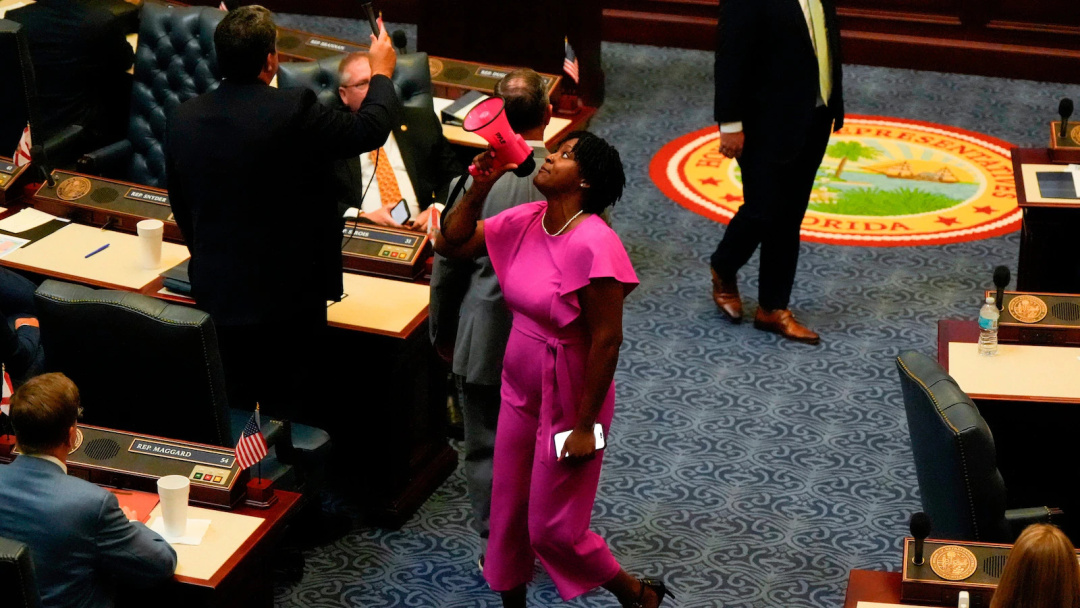
Nixon's campaign, fueled by a grassroots enthusiasm for bold economic proposals like universal healthcare and her fiery megaphone protests against the state legislature's redistricting efforts, has become a rallying cry for progressives. The party's internal memo on the election results suggested that perhaps, just perhaps, a populist message could resonate in the South, a notion that has historically been viewed with skepticism by party insiders.
Despite Vindman's impressive fundraising—totaling over $16 million, with more than $9 million spent by July—Nixon's modest campaign budget of just under $1 million has proven that money can’t buy love, or votes, at least not in Florida this time. The upset has ignited a debate about whether the party should continue to court moderate independents or embrace the bold, unapologetic progressive agenda that Nixon represents.
As this new chapter unfolds, Democratic leaders, including Senate Minority Leader Chuck Schumer, face a crucial question: Should they continue to cling to the moderate ideals that have so far failed to inspire a significant voter turnout, or should they adopt a more aggressive stance that aligns with the likes of Nixon? In what may be the first instance of a political party taking cues from its own base, the Democratic Party is now exploring the concept of presenting candidates who actually reflect the views of their constituents.
With the stakes so high, insiders are urgently considering a new mantra: "If you can't beat them, let them run the show." With Nixon leading the charge, expect to see more radical changes and a sharp pivot in the party's strategy as the election date approaches, especially if this whole listening thing catches on. It appears that the only thing more shocking than Nixon's victory is the possibility that the Democratic Party might actually listen to the voters they claim to represent.