International Criminal Court Responds to U.S. Sanctions with Epic Bureaucratic Resilience
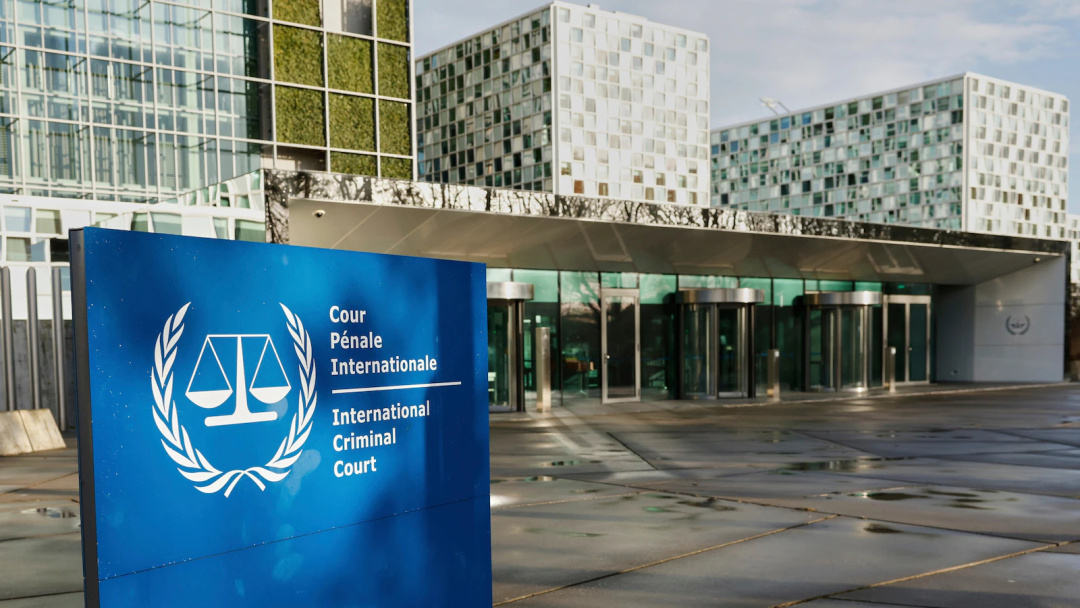
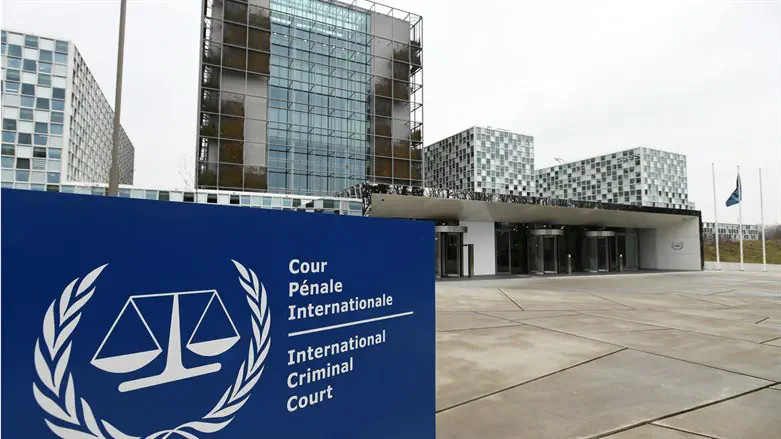
The International Criminal Court has issued a steadfast defense against the latest U.S. sanctions targeting its senior officials, branding them a gross affront to its independence. The sanctions, which freeze the assets of ICC President Tomoko Akane and senior trial lawyer Abdoulaye Seye, are seen as a bold move to undermine the court's authority. In a statement, the court asserted that when judicial figures are threatened for performing their duties, it is not just the individuals at risk, but the entire international legal framework that faces peril.
In response to these sanctions, the ICC has initiated a comprehensive plan known as the "Resilience Initiative for Judicial Independence," which includes a detailed compliance protocol requiring all staff to navigate a labyrinthine system of approvals before undertaking any international travel or financial transactions. This protocol not only aims to reassure member states of the court's commitment to legality but also introduces a new performance matrix designed to track how well officials can adapt to being financially hamstrung. The metrics include 'Grocery Accessibility Scores' and 'Legal Limitation Adherence Levels,' ensuring that every step taken by ICC staff can be quantified and reported back to an oversight committee.
Still Beats Watergate:
Sponsor success. Continue reading:
The U.S. State Department, led by Secretary Marco Rubio, has characterized the ICC as a "maliciously politicized" entity. Despite this, the ICC plans to double down on its mission. In a bold strategic pivot, the tribunal has announced the formation of the "Sanctioned Officials Club," a networking initiative aimed at fostering camaraderie among those affected by similar sanctions. Members will meet bi-weekly to share tips on managing life under asset freezes and to swap stories about the challenges of grocery shopping without credit cards.
As part of its ongoing commitment to justice, the court has also vowed to continue pursuing cases against senior military and political figures from non-member states, including the United States. This pledge comes with a new twist: the ICC plans to launch a series of mock trials in absentia, where officials from sanctioned countries can be tried in a theatrical setting, complete with costumes and dramatic readings of legal statutes.
In this increasingly absurd environment, Japan has expressed its disappointment over the sanctions, reiterating its support for the ICC. Meanwhile, the court is exploring the possibility of introducing a new 'Sanctioned Staff Travel Fund,' which aims to assist officials in navigating the complexities of international travel under the weight of U.S. sanctions—provided they can first demonstrate compliance with the newly established Grocery Accessibility Scores.
As the ICC boldly moves forward, it remains to be seen whether these measures will effectively shield it from the pressures imposed by the U.S. or simply add another layer of bureaucratic complexity to its operations. The court's commitment to independence may soon be tested further, but for now, it stands ready—armed with absurdity and a well-crafted plan to weather any storm of sanctions.