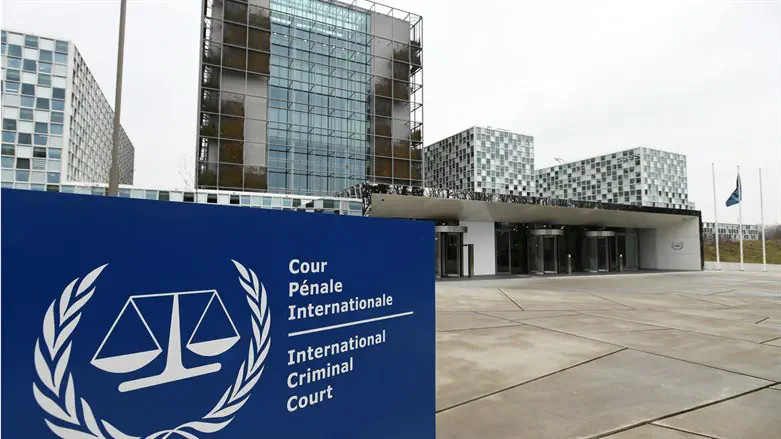
Trump's New Sanction Strategy Targets ICC President as Campaign Tool
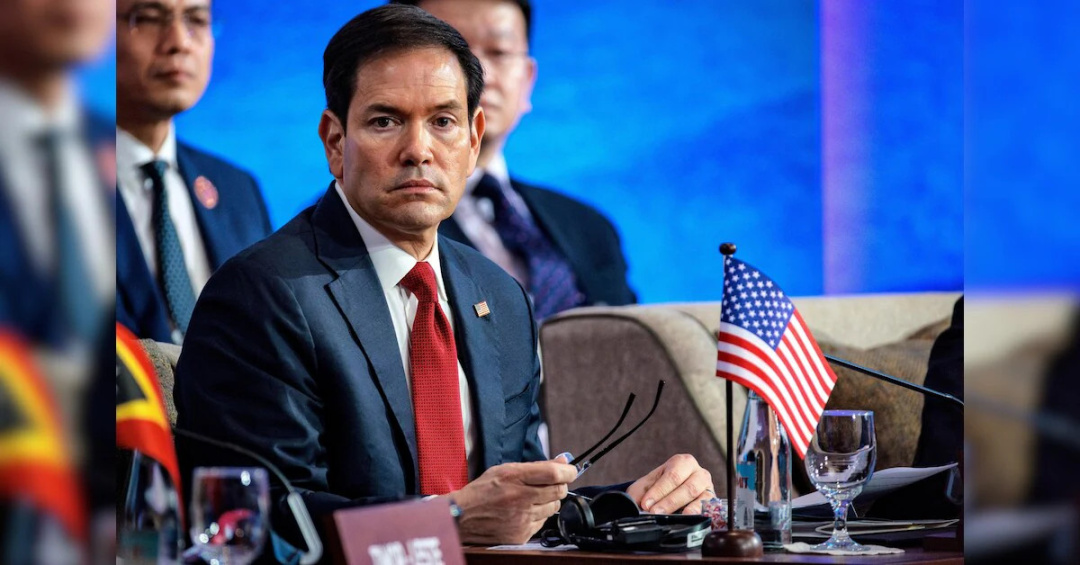
The Trump administration has boldly declared a new approach to international relations, launching sanctions against ICC President Tomoko Akane, claiming the International Criminal Court has exceeded its jurisdiction. This unprecedented action appears to be less about legal authority and more about electoral strategy, as Trump seeks to rally his base against perceived foreign interference. Officials have explained that the sanctions are not merely punitive but a highly strategic maneuver designed to distract from domestic issues while showcasing an aggressive stance on international law enforcement.
In an official briefing, White House spokespersons noted that these sanctions are part of a broader effort to "assert American sovereignty" over institutions that dare to question the actions of U.S. officials abroad. The administration has issued a comprehensive guide for citizens titled "Understanding Your Right to Ignore International Law," which outlines how to support the sanctions without feeling guilty about global consequences. This manual includes sections on how to celebrate the sanctions at local rallies and post memes on social media that emphasize the administration's unwavering commitment to exceptionalism.
Still Beats Watergate:
Sponsor success. Continue reading:
Furthermore, the Department of Justice has set up a new task force entitled "Operation Sanctioned Sovereignty" that will monitor public sentiment regarding the ICC and report directly to the Oval Office. This task force will employ metrics such as the number of pro-sanction hashtags trending on Twitter and the increase in anti-ICC bumper stickers on vehicles across the country. Performance reviews will be conducted quarterly, with the possibility of bonuses for staff who can generate the most outrage against the ICC.
As part of the sanctions rollout, the administration has also introduced a new classification system for international organizations. Effective immediately, any organization that criticizes the U.S. will be classified as a "Hostile Entity," thus justifying further punitive actions, including a ban on all U.S. media coverage. Officials emphasized that this is not censorship but rather an effort to maintain national dignity and ensure that only favorable narratives are disseminated.
In a final twist of bureaucratic absurdity, the administration plans to issue a public statement declaring that any future ICC investigations will be met with an automatic sanctions protocol, effectively making it clear that international law will be met with swift consequences. This policy, they claim, will deter future inquiries into U.S. actions abroad and restore a sense of order in a world that has gone mad with accountability.