Colby’s Diplomatic Tour Turns into a Game of Charades
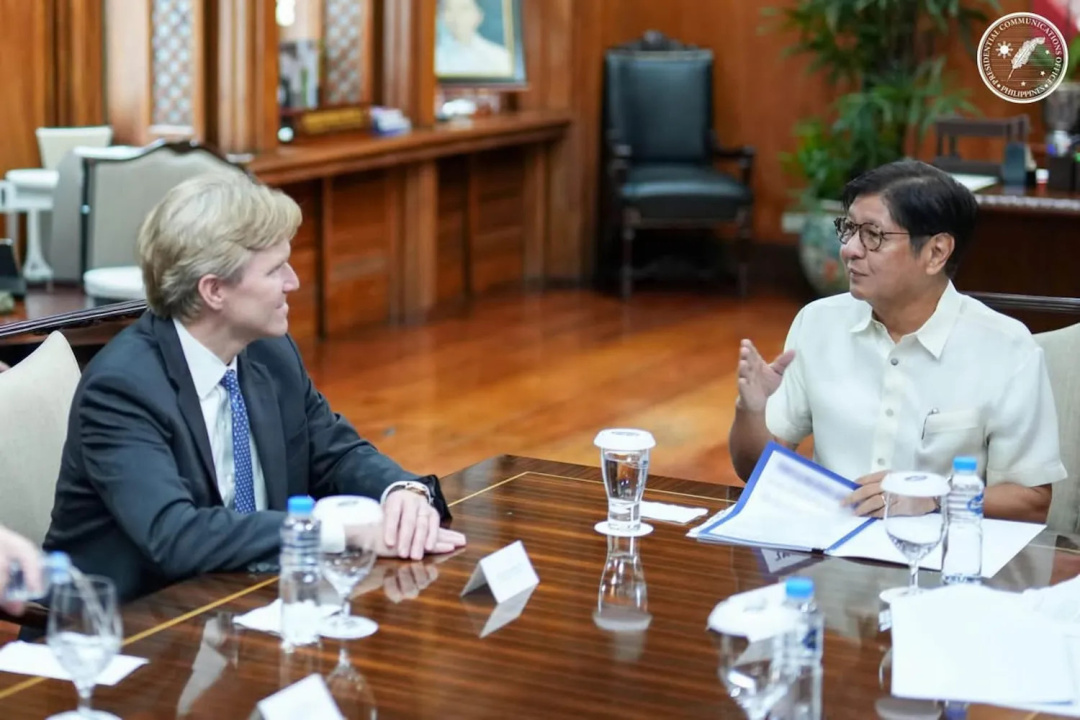
U.S. Undersecretary of Defense for Policy Elbridge Colby recently embarked on a diplomatic tour of Southeast Asia, a journey that many are now referring to as a masterclass in diplomatic misadventure. As Colby touched down in various capitals, officials were quick to issue statements emphasizing the administration's commitment to strengthening alliances, even as those alliances seemed to be unraveling faster than a cheap suit.
In a stunning display of bureaucratic confidence, Colby announced a series of new initiatives aimed at enhancing regional cooperation, all while his team struggled to provide clarity on previous commitments. Reports suggest that as local leaders expressed their enthusiasm for deeper ties, Colby’s aides were busy drafting a new memo that classified enthusiasm as a form of compliance—leading to the creation of the Department of Genuine Excitement, which will oversee all future diplomatic engagements.
Still Beats Watergate:
Sponsor success. Continue reading:
Adding to the chaos, Colby mistakenly referred to a prominent Southeast Asian leader as a "notable influencer" during a press briefing, prompting a wave of confusion and subsequent clarifications about the role of influencers in international relations. In a classic bureaucratic twist, the White House issued a follow-up statement explaining that the term "influencer" was meant to signify the leader's importance in regional politics, not a pivot to social media strategies.
Despite the turmoil, Colby remained undeterred, insisting that the tour was a resounding success. To quantify this success, the administration has introduced the "Colby Index of Diplomatic Engagement," which measures success based on the number of awkward smiles exchanged during official handshakes. Early reports indicate a record high this quarter, although critics question the methodology behind such metrics.
As the tour concluded, Colby was seen preparing a new briefing titled "What We Meant to Say" which aims to clarify previous statements and outline a path forward that includes more vague promises and fewer definitive actions. In what many are calling a bold move, the briefing is expected to be circulated alongside an official apology for any confusion created during the tour, which will also be classified as a symbolic gesture of goodwill.
As the dust settles, officials are left to ponder whether Colby’s charm offensive was simply an elaborate game of charades, where the only winning move is not to play—unless, of course, the prize is a hastily drafted policy memo that everyone can pretend to understand.