Natalie Harp's New Title: Officially Designated Human Printer for Trump Administration
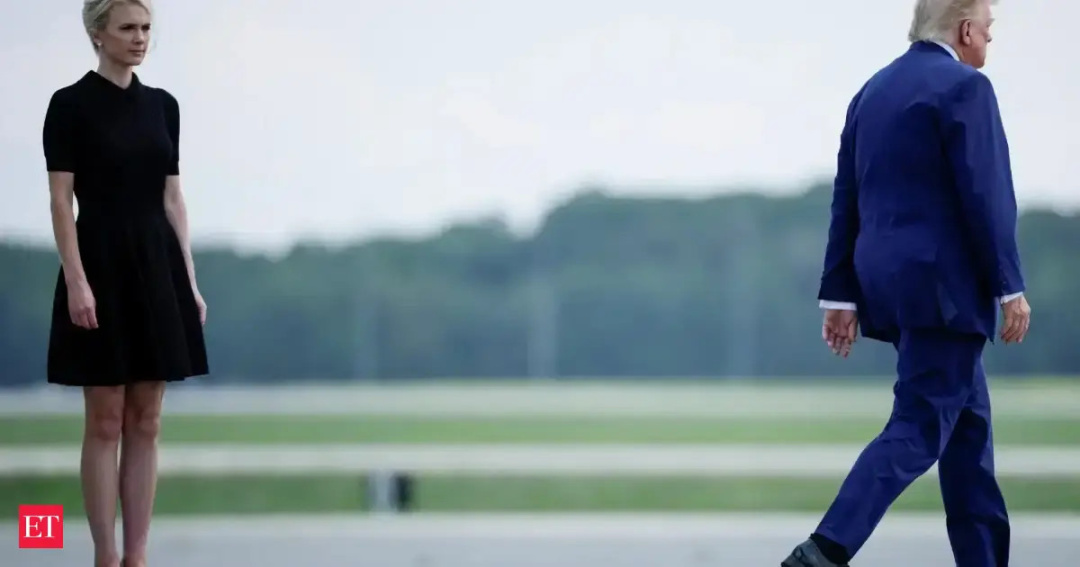
Natalie Harp has officially been appointed as the Human Printer for the Trump administration, a position that involves turning all presidential thoughts directly into printed words, to streamline communication and eliminate any potential misunderstandings. This groundbreaking role comes in light of ongoing debates about her close access to the president, particularly following comments made by Senator Jon Ossoff, who suggested that Harp's influence might be less about her qualifications and more about her proximity to power.
In what can only be described as a remarkable bureaucratic maneuver, the White House has created a new protocol for interacting with Harp, including mandatory sensitivity training for all staff who might need to request printed materials. This training, dubbed "Understanding the Human Printer: A Guide to Sensitivity and Efficiency," will ensure that no one inadvertently offends Harp while she is busy transforming Trump’s musings into physical copies. Officials will now be required to submit their requests through a newly established Committee for Executive Print Requests and Approval, or CEPRAP, which promises to handle all printing needs with utmost care.
Still Beats Watergate:
Sponsor success. Continue reading:
Adding another layer of complexity, the administration has rolled out a performance metric for Harp's new role: the Print Efficiency Index (PEI), which aims to measure not just the volume of printed materials but also their emotional impact on the intended audience. Early reports from within the White House indicate that this metric may lead to the creation of a new branch of emotional support staff, whose sole duty will be to ensure that printed statements resonate positively with the public.
To further solidify her position, Harp will also lead a new initiative called "Print with Purpose," which encourages the use of eco-friendly paper sourced from trees that have been personally blessed by the president. This initiative is expected to promote both environmental responsibility and a sense of divine approval in all printed communications from the Oval Office.
As the controversy continues to swirl around her role, Harp remains steadfast, asserting that her experience battling bone cancer equips her with unique insights into the challenges faced by Americans today. In a recent press briefing, she confidently stated that her mission is not just to print for the president, but to print for the people, raising questions about whether her office will also include a public feedback loop for printed materials.
In a final twist, officials have hinted that an upcoming executive order may grant Harp the authority to veto any printed statement she deems inappropriate, suggesting that she is not just a passive printer but a formidable gatekeeper of presidential communication. As the landscape of Washington continues to evolve, it seems that Natalie Harp's role as the Human Printer may become a cornerstone of the administration's efforts to navigate the tumultuous waters of public opinion and bureaucratic absurdity.