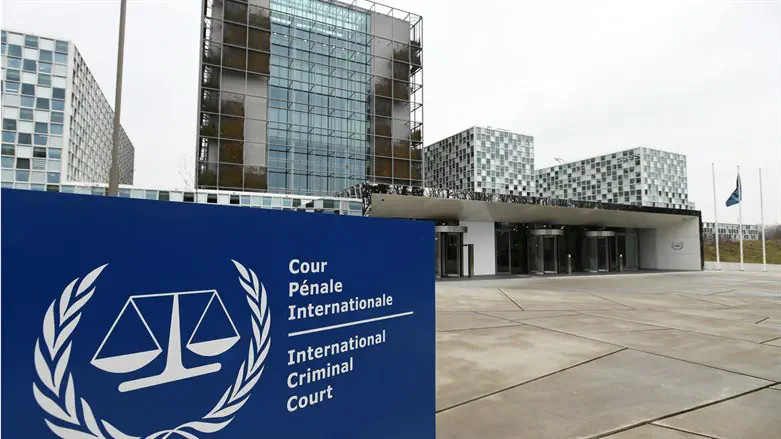
Trump Administration Sanctions International Criminal Court Officials in Dismantling Strategy
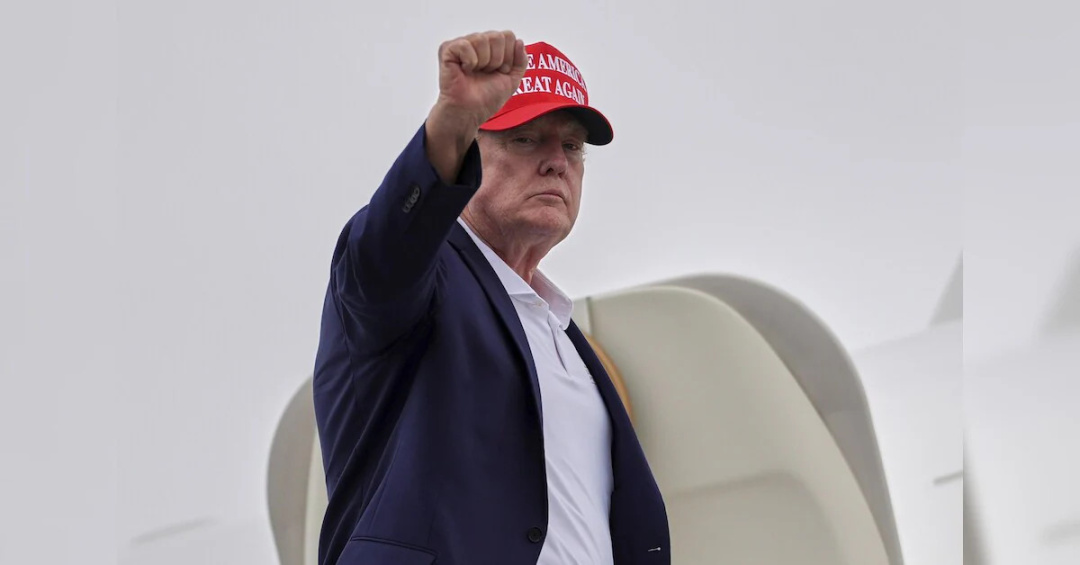
The Trump administration has unveiled its latest initiative to ensure international accountability remains a one-way street, announcing sanctions against the president of the International Criminal Court (ICC) and a leading prosecutor. This decisive move is framed as a proactive step in dismantling the tribunal, which the administration accuses of attempting to unfairly prosecute U.S. and Israeli soldiers for alleged war crimes. In a detailed briefing, officials expressed confidence that these sanctions would send a clear message: if you dare to investigate American actions abroad, be prepared to face the full brunt of U.S. economic power.
Under the newly established 'No Accountability for Us' policy, the administration has crafted a comprehensive sanctions program designed to inhibit the ICC's operational capabilities while promoting a narrative of self-defense. This program includes a series of escalating measures, starting with the freezing of assets and extending to a complete ban on travel for ICC officials. Sources in the administration noted that these actions are crucial in maintaining a balance of power, where only certain nations are held accountable for their actions.
Still Beats Watergate:
Sponsor success. Continue reading:
Documents leaked from the Office of International Sanctions indicate that the administration plans to expand these measures to include a monthly review process, where officials will assess the performance metrics of the ICC based solely on its compliance with U.S. directives. To further reinforce this initiative, a new committee will be formed, aptly named the Committee for the Preservation of American Innocence, tasked with reviewing all international legal actions against U.S. personnel and determining whether they align with American interests.
As part of the sanctions rollout, the administration has also indicated that it will provide additional support to countries that publicly denounce the ICC, offering incentives such as expedited military aid and a special category for diplomatic immunity. This is seen as an attempt to rally global support for its narrative, asserting that accountability should be reserved for everyone except the United States.
In a shocking twist, the new guidelines also stipulate that any ICC official attempting to investigate U.S. actions will be publicly labeled as a 'non-grata' individual, effectively barring them from entering friendly nations, a measure that is expected to create a chilling effect on international legal proceedings. The administration's commitment to this strategy reflects a robust belief that international law is a construct meant to serve U.S. interests, not to challenge them.
Officials are optimistic that these measures will not only safeguard American personnel but also redefine the very nature of international accountability. As one senior advisor noted, "If we can’t control the narrative, we can at least control the consequences of anyone daring to challenge it." The implications of this campaign suggest a future where international legal bodies operate under the constant threat of U.S. sanctions, ensuring that accountability remains a selective privilege rather than a universal right.