Trump Announces New Appointment as Staff Departures Mount
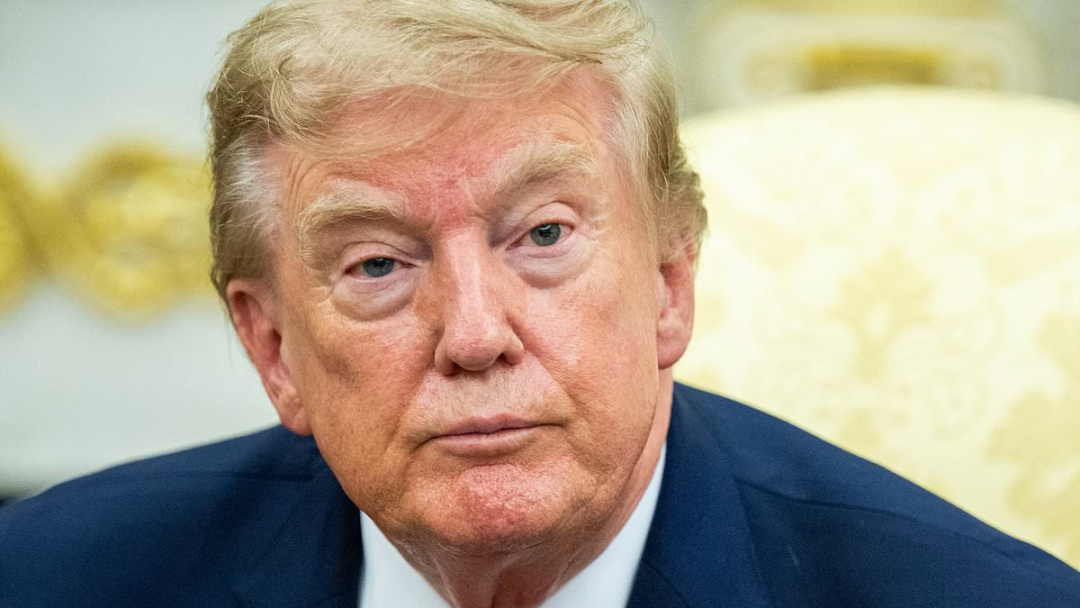
In a shocking display of administrative confidence, President Trump has unveiled plans to appoint a new White House associate counsel, Samuel G. Perkins, as part of an ambitious strategy to tackle the recent wave of staff departures gripping the Oval Office. This move comes in response to a cascade of resignations that have left many wondering about the stability of the administration.
Perkins, whose prior experience includes brief stints in private practice and a summer internship at the Department of Justice, is expected to navigate the complex legal landscape surrounding the White House. Officials have confidently stated that his role will include redefining the legal implications of executive tweets and managing the intricacies of policy rollbacks with an eye toward compliance that is both assertive and innovative.
Still Beats Watergate:
Sponsor success. Continue reading:
In an effort to assure the public and quell any fears regarding the administration's future, the White House has also established an unprecedented "Department of Strategic Stability." This newly created department will monitor staff morale, track the frequency of staff exits, and develop innovative metrics to measure the effectiveness of staff retention strategies. Early reports suggest that the department is considering a points-based reward system for employees who remain at their desks for extended periods without submitting resignation letters.
Additionally, a newly appointed committee will oversee the implementation of the "Loyalty Retention Initiative," which is set to roll out next quarter. This initiative aims to enhance employee loyalty through a series of mandatory motivational workshops and the introduction of a "No Exit" policy that will require all staff to sign an oath of commitment to remain in their positions indefinitely.
As the administration grapples with these unprecedented challenges, the implications of these strategies remain to be seen. Critics have raised concerns about the feasibility of encouraging long-term dedication in an environment known for its rapid turnover. However, White House officials remain steadfast in their belief that these changes will foster a culture of unwavering support and boost the administration's overall stability.
In a final twist, officials are reportedly considering implementing a monthly "Exit Review Day," where all staff will have the opportunity to discuss their job satisfaction, followed by a mandatory brainstorming session on how to creatively reframe their reasons for leaving as mere "career transitions." This approach is expected to provide a reassuring facade of stability while maintaining the administration's high turnover rate.
As the new appointment takes effect, only time will tell if these convoluted strategies will successfully plug the leak of talent from the administration or if they will simply exacerbate the already tumultuous atmosphere within the White House.