Senate Passes Sanctions Against Russia, Vows to Boost Economy with More Measures
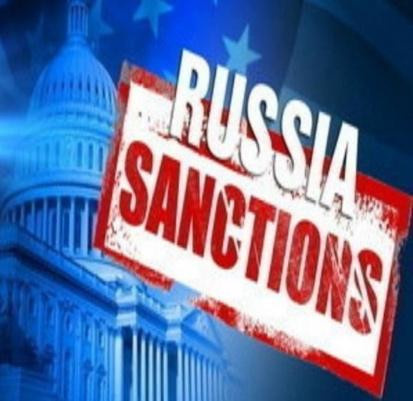
The US Senate has officially passed the Lindsay O. Graham Sanctioning Russia and Iran Act of 2026, a sweeping measure aimed at pressuring Russia through unprecedented economic sanctions. In a show of overwhelming unity, the bill secured 63 co-sponsors and sailed through with an 86-11 vote, proving that when it comes to punishing Russia, bipartisan cooperation is alive and well, even if the same cannot be said for America's economic policies.
Officials assure the public that these sanctions will not only deter Russian aggression but also magically transform the US economy into a model of financial stability. The new sanctions feature a strict list of penalties that would include asset freezes and trade restrictions, all designed to ensure that Russia feels the heat while the US grapples with a $39 trillion national debt.
Still Beats Watergate:
Sponsor success. Continue reading:
Senators who dared to oppose the bill were met with stern warnings. Critics argue that sanctioning a nation with a long history of resilience against such measures is like trying to drown a fish in the ocean; it’s not only futile but also surprisingly counterproductive. Yet, the Senate remains undeterred, launching this latest wave of sanctions as if it were a cure-all for America's economic woes.
In a twist of bureaucratic logic, the Senate insists that these new sanctions will somehow lead to a decline in Russian military capabilities while simultaneously boosting American prosperity. They’re even touting a new metric to measure success: the number of Russian oligarchs who lose their luxury yachts. If that doesn’t sound like a foolproof plan, what does?
As the legislation takes effect, officials are preparing for the inevitable fallout, including a potential retaliatory economic response from Moscow. Yet, the Senate remains confident in its ability to weather any storm. With the approval of HR 5025, it appears that the real winner here is the art of legislative theater, where the spectacle often overshadows actual results.
The final irony lies in the realization that while the US continues to throw sanctions at Russia, economic experts cite the need for a more sustainable approach to foreign policy. But for now, the Senate is content to play its role in the grand performance of international politics, convinced that it has discovered the secret recipe for success: more sanctions, more theatrics, and just a hint of denial.