ABC Launches Lawsuit Against FCC, Claims Government Regulators on a Mission to Muzzle Free Speech
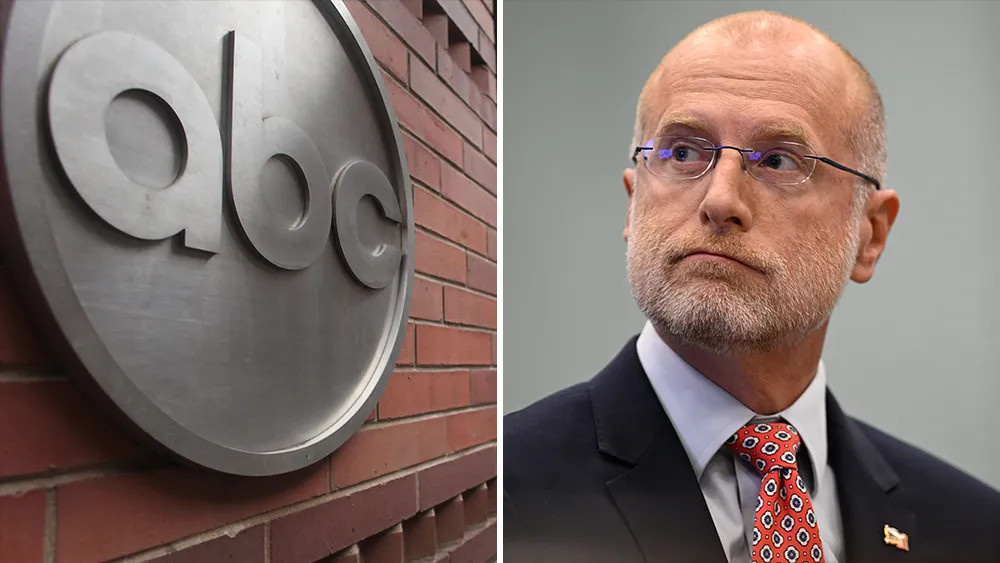
ABC has formally accused the Federal Communications Commission of engaging in a concerted effort to stifle free speech, filing a lawsuit that alleges the FCC's regulatory actions are not just routine oversight but part of a grander scheme orchestrated by the Trump administration. In what can only be described as a bureaucratic ballet, ABC's legal team has painstakingly documented every instance where they believe the FCC has botched its responsibilities, claiming that investigations have taken on the air of a political witch hunt.
The lawsuit outlines several instances where the FCC, under the direction of the Trump administration, allegedly targeted ABC for its critical coverage. In a move that can only be interpreted as bureaucratic acrobatics, the FCC has reportedly classified ABC’s programming as a ‘national security threat’ due to its unflattering portrayals of the administration. ABC’s lawyers argue that such designations are thinly veiled attempts to intimidate and silence dissenting voices in the media landscape.
Still Beats Watergate:
Sponsor success. Continue reading:
To compound the absurdity, the FCC has launched a new initiative dubbed the ‘Compliance with Absolute Authority Taskforce,’ tasked specifically with ensuring that media outlets adhere to an undefined set of standards. Critics have noted that these standards appear to change daily, creating a dizzying labyrinth of compliance that would challenge even the most seasoned regulatory veterans. ABC contends that this task force is simply a euphemism for a government-sanctioned censorship committee.
In an exclusive briefing, a spokesperson for the FCC confidently stated that the agency is merely enforcing the law and protecting the integrity of the airwaves. However, such claims are met with skepticism, especially given the recent uptick in investigations directed at networks perceived as critical of the administration. The spokesperson further assured the public that all actions taken are in accordance with the ‘Protect Our Airwaves Initiative,’ an effort to classify dissent as a peril to national security.
As the lawsuit unfolds, it raises more questions than answers. How will the FCC justify its actions when faced with the scrutiny of a federal court? Will the compliance task force continue to operate under its ambiguous mandate? And most importantly, will other media outlets join ABC in this fight against what some are calling an unprecedented assault on free speech?
In light of these developments, insiders speculate that the FCC may soon introduce a new classification system for news organizations, assigning them ratings based on their perceived loyalty to the administration. Such a system could lead to an Orwellian landscape where the definition of news becomes as fluid as the compliance standards set by the Commission. The outcome of ABC's lawsuit may well set a crucial precedent for the future of media and government relations in America.