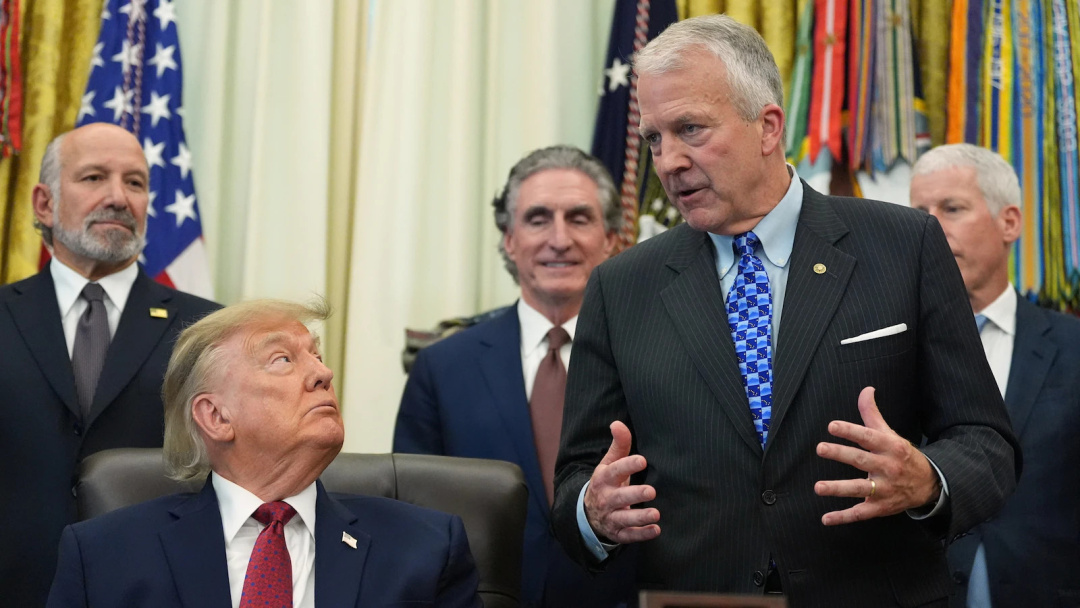
Trump Orders Military Exercises Scaled Back, Claims North Korea Deserves a Diplomatic Time-Out
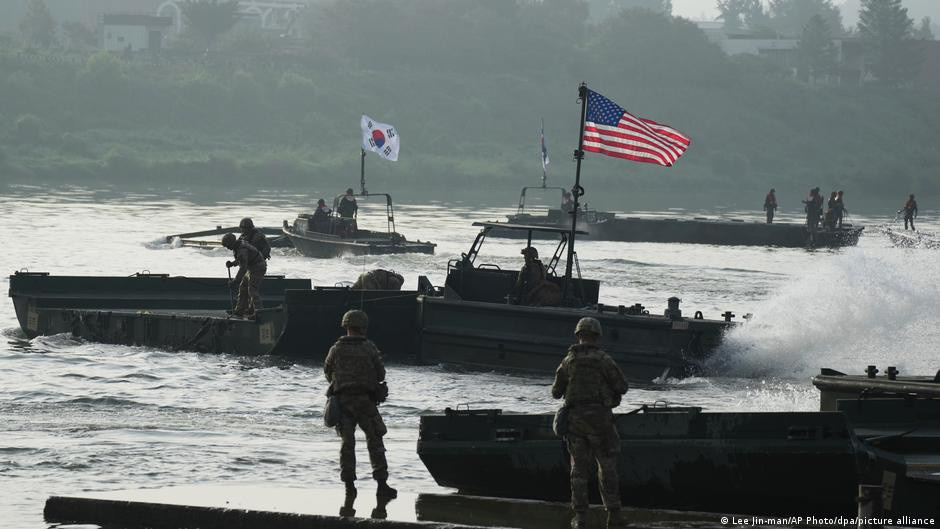
President Trump has officially instructed the Pentagon to scale back US military exercises with South Korea, a decision hailed in the White House as a necessary act of goodwill towards North Korea. With a keen sense of timing, Trump declared that these exercises were not only "expensive" but also sent signals that are "totally inappropriate and hostile" to a regime that has recently displayed nothing but respect and unthreatening behavior.
While North Korea continues to test missiles and issue threats, Trump’s logic remains steadfast: why provoke a beast that, according to his social media updates, is merely misunderstood? The commander-in-chief emphasized that the savings from reducing military exercises will be allocated to a new initiative called "Operation Kim's Nice Gesture," aimed at fostering diplomatic relations through an unprecedented series of tweets and—dare we say it—handwritten notes to Kim Jong Un.
Still Beats Watergate:
Sponsor success. Continue reading:
In a move that defies conventional wisdom, Trump has claimed that limiting the joint Ulchi Freedom Shield exercises will create an atmosphere ripe for dialogue. Experts, however, have pointed out that while the cost savings from these scaled-back drills are marginal, the diplomatic benefits are as elusive as a unicorn at a White House press briefing. In fact, analysts worry that this new approach might not only confuse allies but could also embolden adversaries in a way that makes even the most optimistic of military strategists raise an eyebrow.
The South Korean government, taken aback by the sudden shift, has pledged to "coordinate closely" with the US, which has been interpreted as a diplomatic way of saying they are scrambling to figure out what this means for their own defense strategy. President Lee Jae Myung has lauded the importance of joint exercises in safeguarding against an increasingly aggressive North Korea, while simultaneously trying to keep a straight face during press conferences.
Meanwhile, political figures in Washington, both Democrat and Republican, have expressed concern about Trump’s latest whim to charm Kim. Senator Jack Reed has labeled the decision as "another inane, haphazard decision by President Trump and his chaotic administration," suggesting that the move benefits North Korea and punishes South Korea for no reason other than the whims of a man with an Instagram account.
As concerns grow over the state of US alliances, and with North Korea comfortably nestled into a new partnership with Russia, the world watches as Trump attempts to reset relations with Pyongyang. With Kim Jong Un now enjoying a cozy alliance with Moscow and an apparent newfound confidence, the question remains: will the US be able to forge a new path forward, or will it simply be a path littered with half-hearted diplomatic gestures and tweets?
As the Pentagon prepares to issue new guidelines on military interactions that include a mandatory waiting period for North Korean responses, officials have expressed optimism that these measures will not only enhance security but will also allow time for Kim to send a heartfelt thank-you card in response to Trump's overtures. Should the card not arrive, however, the administration has assured the public that they are more than ready to resume drills—just as soon as they receive a proper RSVP from Pyongyang.