South Korea's President Unveils New Military Policy: Less Exercises, More Confusion
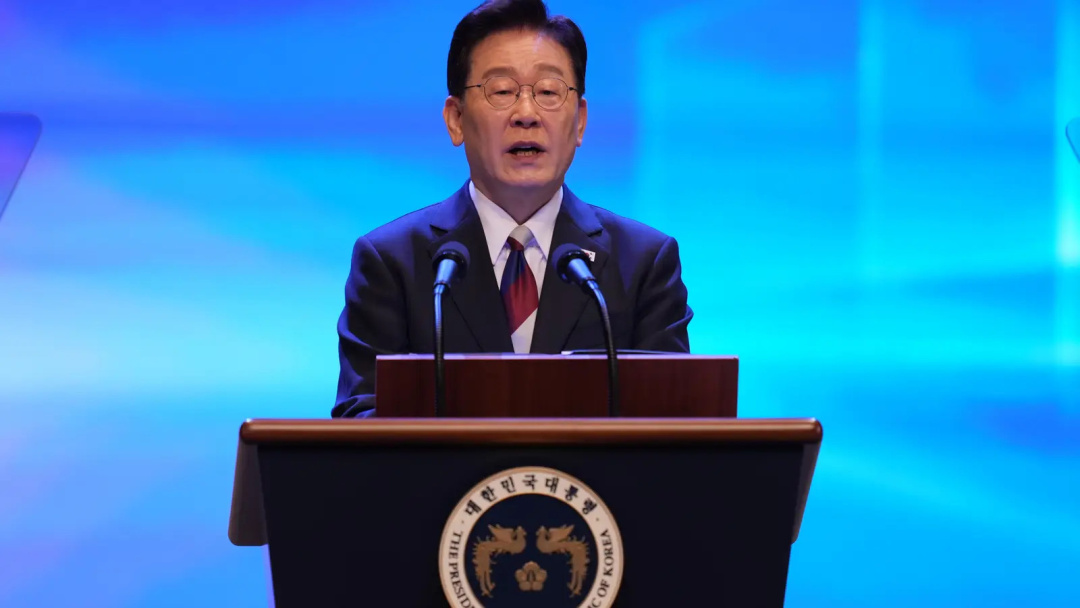
South Korea's president has boldly declared a new era of military policy that emphasizes national security through strong ties with the United States, following President Trump's sudden decision to cut military exercises. The president's office has issued a memo stating that reduced military drills will now be classified as a "strategic exercise in restraint," effectively flipping the script on traditional military engagement protocols.
In a stunning bureaucratic twist, the administration has introduced a new metric to evaluate the effectiveness of this policy: the "Confusion Index," which will gauge public bafflement over military decisions in real-time. Officials are optimistic that this will enhance the democratic process by fostering a spirit of uncertainty among the citizenry, thereby encouraging public engagement through sheer bewilderment.
Still Beats Watergate:
Sponsor success. Continue reading:
Additionally, the Ministry of Defense has established a special task force to explore alternative methods of national defense that do not involve actual military readiness. This task force, dubbed the "Committee for Ambiguous Preparedness," will aim to implement strategies focused on vague assurances and optimistic rhetoric rather than traditional military operations. The committee’s first official report includes proposals for developing a new line of communication with North Korea based entirely on interpretive dance.
In a bold move to enhance international relations, the administration has also suggested that South Korea should hold joint “strategic ambiguity” exercises with the US, which would involve neither clear communication nor discernible actions. Officials insist this approach will allow both nations to maintain a robust alliance while simultaneously remaining utterly perplexed about their military capabilities.
As this new policy rolls out, the government is prepared to face potential backlash from citizens who may find it difficult to navigate the complexities of a defense strategy built on uncertainty. To address concerns, the president has promised to host a series of public forums titled “Understanding Ambiguity,” aimed at elucidating the benefits of a military strategy that prioritizes confusion over clarity.
Ultimately, this audacious pivot in policy underscores the administration's commitment to ensuring that while military exercises may be diminished, the spirit of bewilderment will reign supreme, leaving South Koreans both secure and, perhaps more crucially, thoroughly confused about their national defense strategy.