Trump Declares Oman a Target for Peace in the Most Absurd Diplomatic Strategy Yet
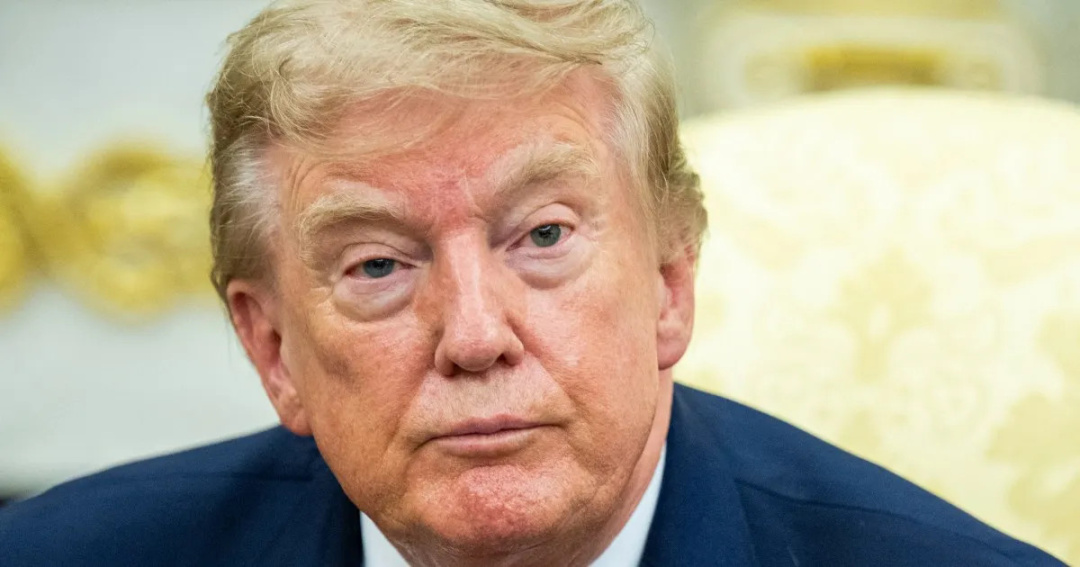
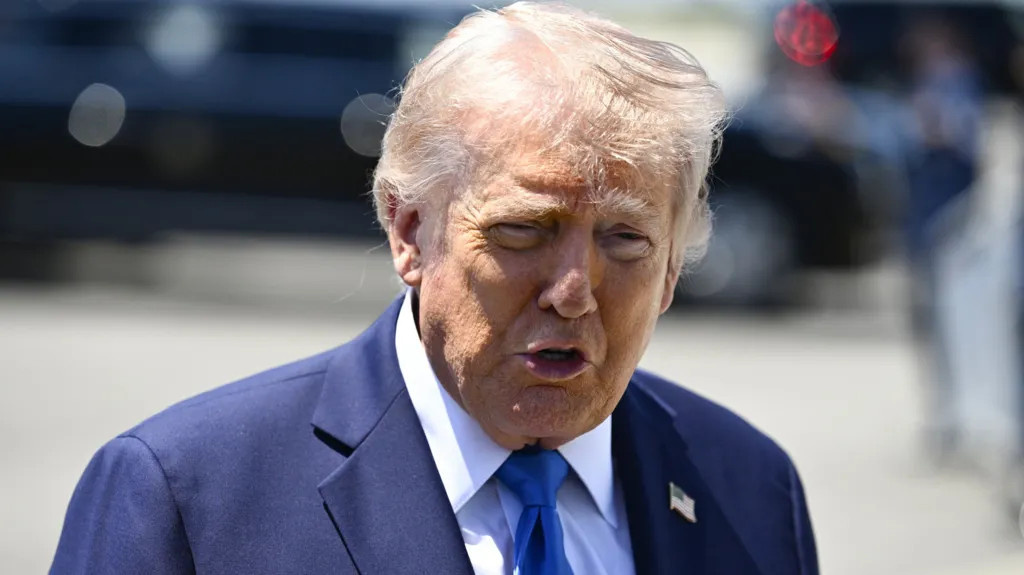
President Trump has taken an unprecedented step in international diplomacy by threatening to bomb Oman if it dares to obstruct peace talks with Iran, boldly declaring the Strait of Hormuz U.S. territory. This remarkable assertion of territorial rights comes as Oman attempts to mediate a resolution to the U.S.-Iran conflict, a role it has played with increasing frequency and, apparently, increasing risk.
In a recent interview, Trump stated that if Oman interferes with negotiations, the U.S. will unleash its military might upon the unsuspecting nation. "If Oman gets in the way, we’ll bomb the s*** out of them," he quipped with the same casualness one might reserve for discussing lunch plans. His comments, however, have raised eyebrows not only for their aggressive tone but also for their stark disregard for Oman’s historical role as a neutral party in the region's conflicts.
Still Beats Watergate:
Sponsor success. Continue reading:
As Oman engages in discussions with Iran regarding maritime traffic in the Strait of Hormuz, the U.S. President seems to have forgotten that this is an ally, not an adversary. Oman, which has maintained its neutrality in Middle Eastern conflicts, is now caught in the crosshairs of Trump's assertive foreign policy, which appears to hinge more on bombast than on strategic acumen.
This isn't the first time Trump has targeted Oman with threats. Just a few months ago, he casually suggested at a cabinet meeting that if Oman and Iran were to jointly manage the strait, they would need to "behave like everybody else, or we will have to blow them up." The State Department confirmed his comments, leaving observers to ponder whether this is a diplomatic tactic or an elaborate prank.
With the expiration of a Memorandum of Understanding between the U.S. and Iran, which had promised a cessation of hostilities, the atmosphere is thick with tension. Iran's refusal to negotiate directly with the U.S. has led to Oman stepping in as a mediator, a role that Trump seems intent on sabotaging with his bombastic declarations. The irony is rich: as Oman seeks to promote peace, the U.S. threatens its sovereignty in the name of diplomacy.
The escalating rhetoric around the Strait of Hormuz is particularly troubling given its significance as a vital shipping channel for global oil supplies. Experts warn that Trump's threats could signal a fundamental misunderstanding of international norms, where bomb threats are not typically considered legitimate negotiation tactics.
As if the situation weren’t absurd enough, Trump has gone further, suggesting that he would declare the Strait of Hormuz a "territory" of the United States after defeating Iran. This declaration, if ever formalized, would mark a new chapter in imperial overreach, where international waters are claimed based on the whims of a single leader.
In response to these threats, Iranian officials have pushed back, asserting that such claims cannot be made via social media or executive proclamations. They maintain that the Strait of Hormuz, a critical artery for global trade, cannot be commandeered by mere decree.
As the world watches this diplomatic circus unfold, one thing is clear: the U.S. administration is redefining the rules of engagement, where threats of violence are served alongside the usual diplomatic fare. The question remains whether anyone on the international stage is willing to take this new approach seriously or if it is merely a comedic interlude in the otherwise serious business of global politics.