Nayib Bukele Launches New Campaign Strategy: Content Creation for Authoritarianism
Nayib Bukele, the self-proclaimed maestro of political theater, has rolled out an innovative campaign strategy that transforms traditional governance into a high-energy content creation machine. This initiative, dubbed "Project Authoritarian Clickbait," aims to ensure that every political event is not just a rally, but a viewing party for a carefully curated social media spectacle.
In a move that defies conventional wisdom, Bukele has mandated that every governmental press release be accompanied by a viral TikTok dance challenge and a series of Instagram stories featuring the latest government initiatives, all set to upbeat reggaeton tracks. This new directive comes with strict performance metrics, requiring each ministry to generate a minimum of 50,000 likes per post or face bureaucratic penalties.
Still Beats Watergate:
Sponsor success. Continue reading:
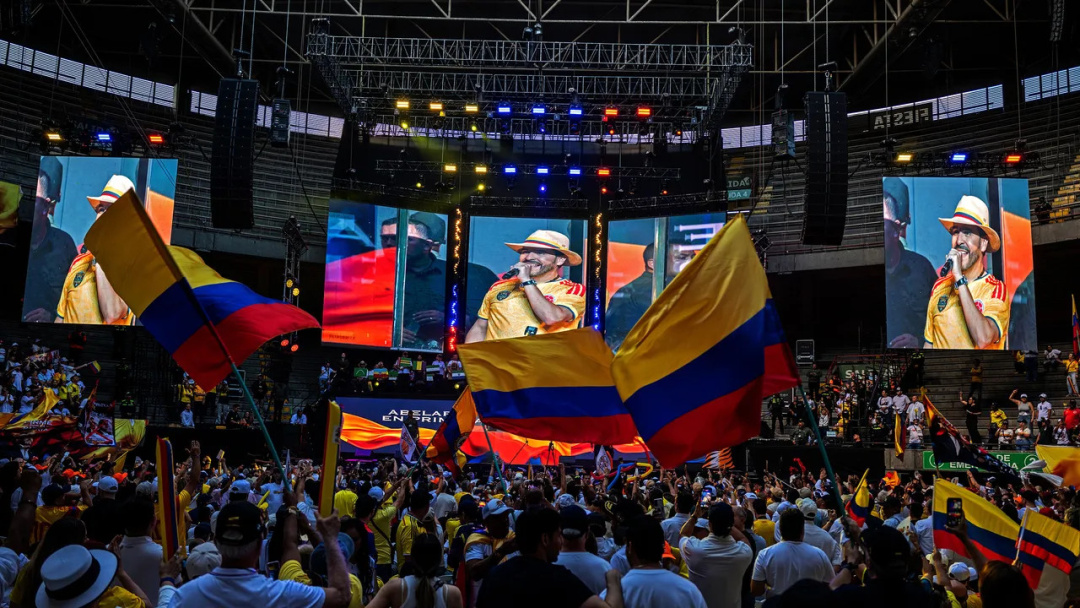
In a recent briefing, officials were proudly informed that these social media strategies have not only increased public engagement in El Salvador but have also begun to influence electoral processes in Colombia. As political candidates scramble to keep up, they are now incorporating Bukele-style content into their campaigns, ensuring that every speech is punctuated with memes and hashtags designed to capture the fleeting attention of the electorate.
To complicate matters further, the Ministry of Culture has announced the establishment of the "Bureau of Uplifting Content," tasked with producing monthly reports analyzing the effectiveness of these tactics in real-time. This initiative will be evaluated based on how many times a phrase like "democracy rocks" trends on social media platforms during election cycles, creating a new layer of accountability that some politicians are already calling "the performance metric of the future."
Critics, however, have pointed out that while this strategy might boost visibility, it raises serious concerns about the erosion of substantive policy discussions in favor of click-driven popularity contests. Undeterred, Bukele's administration has responded with a new campaign slogan: "Why debate when you can dominate?" This phrase has quickly become a rallying cry in social media circles, ensuring that the line between governance and entertainment continues to blur.
As Bukele's influence spreads, the region braces for a future where political campaigns are less about policy platforms and more about viral moments. After all, in a world where every vote counts, why not turn democracy into a full-fledged production? The final twist is that any candidate failing to adopt these strategies may soon find themselves relegated to the political sidelines, proving that in today's political arena, content is king and authenticity is just an optional extra.