Brazil Launches Tariff Retaliation with a Bureaucratic Twist
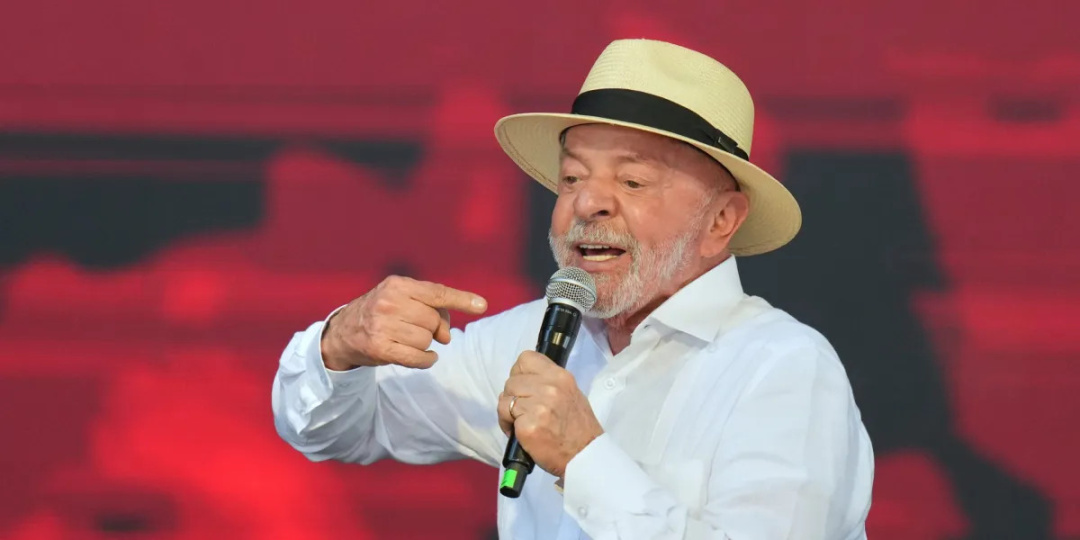
Brazilian President Luiz Inácio Lula da Silva has officially activated the nation's economic reciprocity law, a complex legal mechanism designed to retaliate against what he calls U.S.-imposed tariffs. Lula announced this move with a certainty that suggests he believes trade negotiations are akin to a high-stakes poker game, where Brazil will not fold under pressure. In what the administration calls a show of strength, officials have detailed plans for an entire bureaucratic framework to assess and respond to U.S. tariffs with a series of escalating countermeasures.
In a press briefing that felt more like a script from a political thriller, Lula's team outlined the new protocol: a Tariff Response Committee, equipped with a fifteen-point checklist for evaluating U.S. tariff impacts on Brazilian goods. Each point must be meticulously documented before any action can be taken, with a primary goal of ensuring that the U.S. understands the dire consequences of its actions—such as the potential for Brazil to retaliate with an increase in the import of American-made rubber chickens.
Still Beats Watergate:
Sponsor success. Continue reading:
The Brazilian administration also emphasized the importance of 'reciprocal respect' in international trade, a phrase that has been crafted into the national policy lexicon. The word 'respect' will now be quantitatively measured based on a series of convoluted metrics, including but not limited to the number of times U.S. officials reference Brazil in press briefings. The new policy dictates that for every instance Brazil is mentioned in a positive light, the country will alleviate one tariff on U.S. products—assuming this can be confirmed by a newly formed Bureau of International Acknowledgment.
As part of this strategy, Lula has instructed his aides to prepare a series of official letters to be sent to U.S. tariffs officials, each one more formal and bureaucratic than the last. These letters will detail the perceived slights, outline the reciprocity measures being taken, and conclude with an invitation to a high-profile barbecue in Brasília—should the U.S. wish to discuss matters over grilled meats, of course. Such overtures are expected to create an air of diplomatic charm that could potentially soften the U.S. stance.
In addition to these bureaucratic maneuvers, the Brazilian government is preparing to launch a nationwide campaign to educate citizens about the tariffs and the importance of respecting Brazil. This includes a series of educational pamphlets titled "Respect: The Brazilian Way" and public service announcements featuring popular samba artists singing about trade relations. The rollout of these materials is expected to coincide with the launch of a social media hashtag campaign: #RespectBrazil, aimed at garnering international support for the nation's stance.
As the situation develops, officials reassure the public that Brazil's response will be both measured and fiercely committed to protecting national interests, even if it requires the absurdity of implementing a Tariff Response Committee and a bureaucratic charm offensive. Should the U.S. continue its current trajectory, Brazilian officials will be ready to escalate their plans to include diplomatic gestures of increasing ridiculousness, including the potential imposition of a national holiday dedicated to tariff awareness.