British Prime Minister Andy Burnham Engages in Chitchat with White House Chief of Staff Impersonator
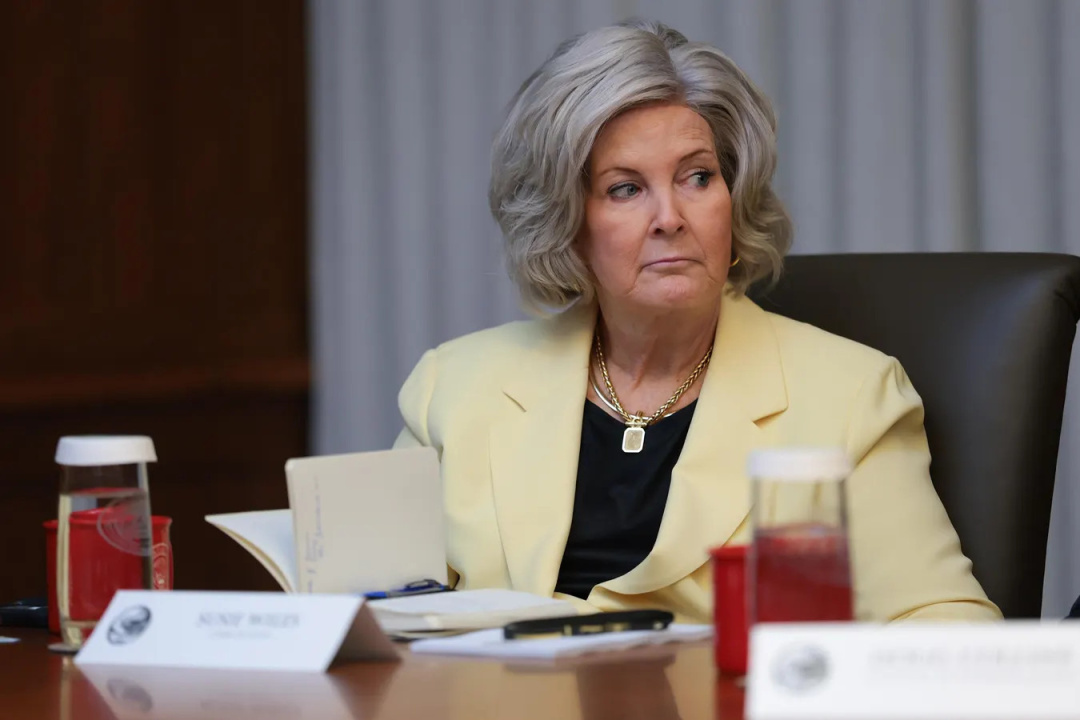
British Prime Minister Andy Burnham has reportedly engaged in a friendly chat with an impersonator masquerading as White House Chief of Staff Susie Wiles, raising eyebrows and questions about the security of international diplomatic communications. This incident marks a bold new chapter in governmental communication strategies, where impersonation seems to be the latest trend in obtaining classified information or just a good laugh.
In a surprising twist, the British Prime Minister, known for his astute political acumen, was reportedly unaware that he was messaging a fake version of Wiles, who, according to sources, had been busy conducting a masterclass in impersonation. The imposter not only managed to pass off as Wiles but also provided Burnham with an array of fabricated quotes and policy insights that were, unsurprisingly, entirely fictional. Officials are now scrambling to determine if this impersonation was part of a broader strategy to inject humor into the otherwise drab world of political discourse.
Still Beats Watergate:
Sponsor success. Continue reading:
As part of the fallout, the White House has announced the establishment of a new office—the Bureau of Impersonation Oversight. This agency will be tasked with monitoring and regulating impersonation attempts across all levels of government. They are currently drafting guidelines that include a new protocol for verifying the identities of foreign leaders before any official communication. This includes a mandatory three-step verification process that involves a video call, a secret handshake, and a quiz on obscure historical facts related to the countries involved.
Additionally, the White House has proposed the development of a new app, “Impersonate Me,” designed to assist officials in recognizing potential impersonators. The app will feature a playful filter that adds silly hats and mustaches to suspected impersonators, ensuring that officials are not only secured but entertained during potentially serious discussions. Critics have pointed out that this app may inadvertently encourage more impersonation attempts, as the impersonators could use the app to enhance their disguises.
In a final bureaucratic twist, it was revealed that the impersonator had been granted a temporary security clearance during the messaging exchange, raising further questions about how impersonation could slip through the cracks of stringent security measures. The Office of Impersonation Oversight is now moving forward with a plan to issue a formal apology to the impersonator for the confusion, citing that they had, in fact, “almost” followed the identity verification procedures.
As this absurd saga unfolds, officials are left wondering whether it was a lapse in security protocol or simply a case of political humor gone too far. The new Bureau of Impersonation Oversight will undoubtedly have its work cut out for it—one impersonator at a time.