Airman Arrested for Trump Impeachment Calls for a New Military Branch: The Department of Impeachment
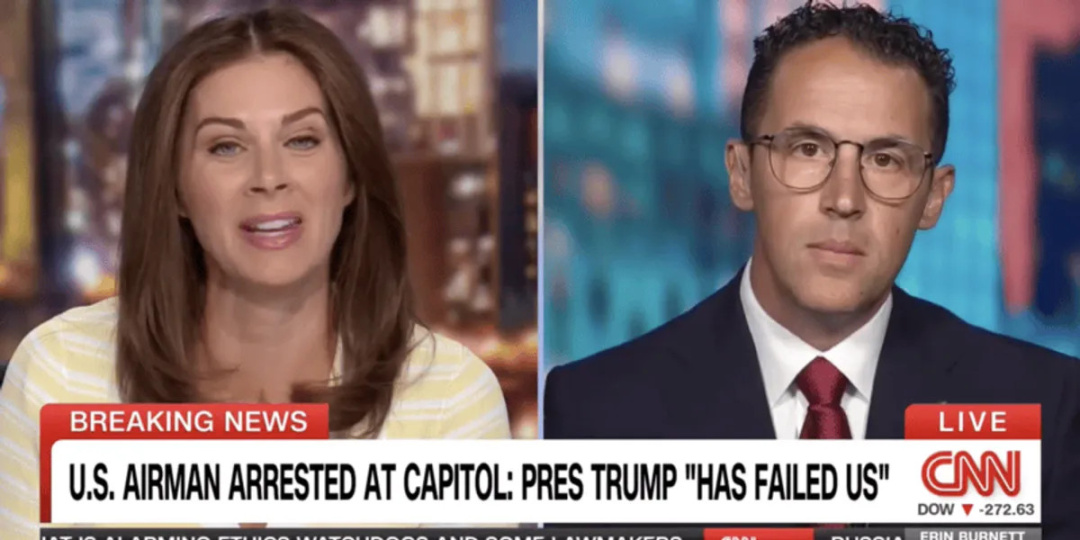
In a groundbreaking revelation that has absolutely no chance of backfiring, Air Force Maj. Jason Watson, freshly released from his brief stint in the slammer for advocating the impeachment of President Trump, has suggested the establishment of a new military branch: the Department of Impeachment. Watson, who made headlines for his audacious call for accountability, appeared on CNN and proposed that this department could operate independently, ensuring that no presidential misstep ever goes unpunished.
"If we can have a Department of Defense, why not a Department of Impeachment?" Watson mused, clearly unaware of the constitutional implications that might arise from sending troops to Washington to deal with political disagreements. In his vision, this department would be equipped with special forces trained not in combat, but in the art of persuasion and political maneuvering. Watson believes these elite troops could storm Capitol Hill, armed with subpoenas instead of rifles, demanding accountability with all the seriousness of a military operation.
Still Beats Watergate:
Sponsor success. Continue reading:
The rationale behind such a move? To ensure that the next time a president ignores the Constitution, there will be a swift and militarized response. Watson’s plan includes a rigorous training program where recruits learn to navigate the treacherous political landscape, possibly even incorporating obstacle courses designed to simulate dodging press inquiries and navigating Senate hearings.
Critics are already lining up to question the practicality of deploying military forces for impeachment, with many suggesting that it might be easier to simply vote. But Watson is undeterred, insisting that a show of military might could lead to greater respect for the office and perhaps even make Congress think twice before engaging in any shenanigans.
While some might argue that this approach could blur the lines between military and civilian governance, Watson quips, "What’s a little blurred line when there’s a chance for accountability?" The military, he argues, has a long history of handling delicate situations—like justifying wars based on questionable evidence—so why not apply that expertise to political oversight?
As the nation watches, one can only wonder how this bold proposal will be received. Will Congress consider a bipartisan effort to establish the Department of Impeachment? Or will they continue to ignore the crimes of their own party leaders? Regardless, Maj. Watson's vision is sure to spark conversations about the role of military in politics and the future of accountability in the highest office in the land.