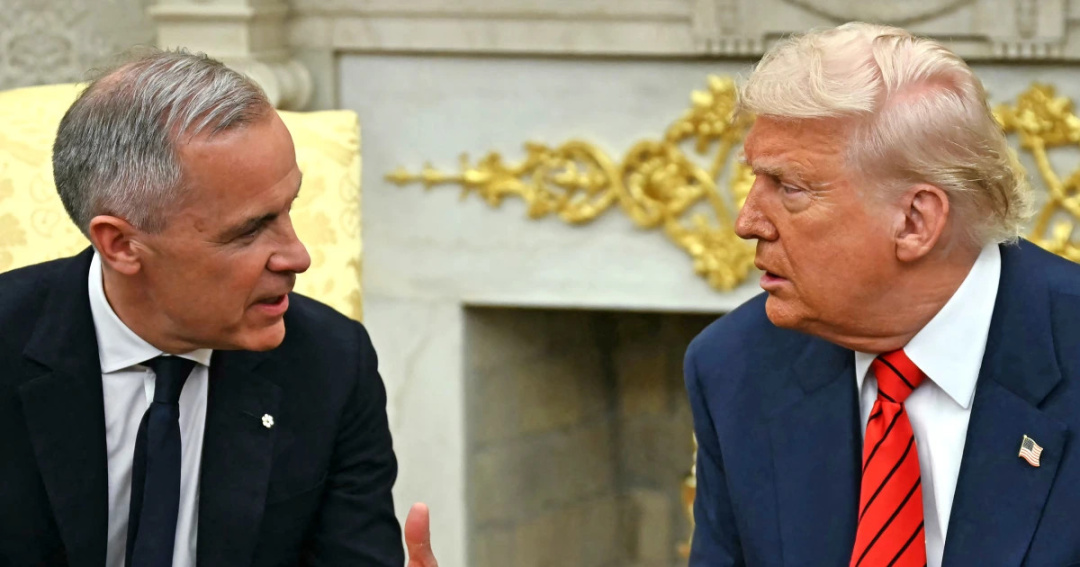
Trump's Wealthy Cabinet: A New Era of Economic Elitism
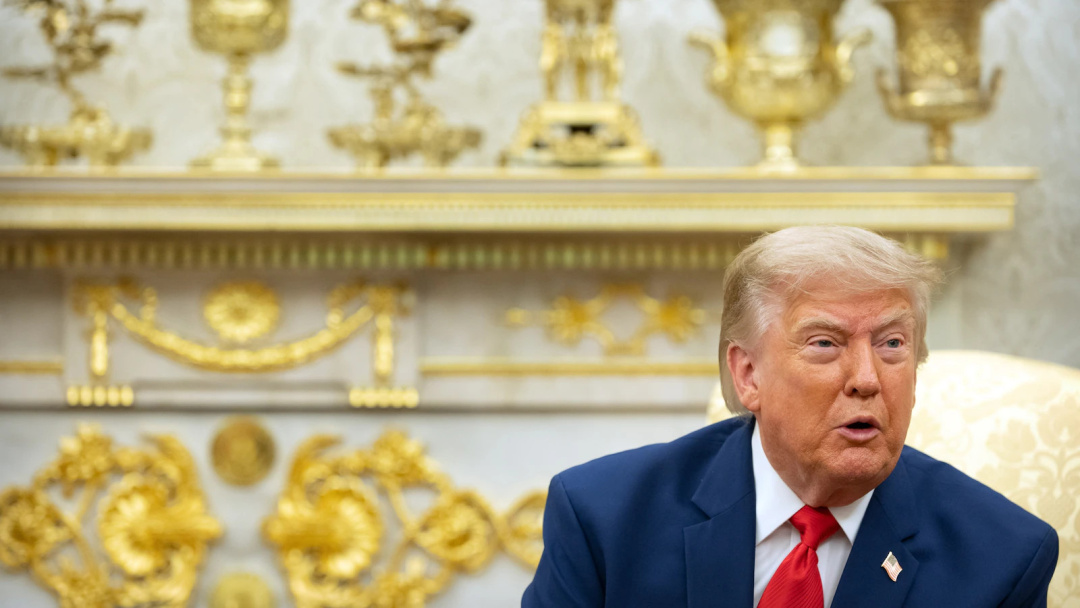
In an extraordinary display of economic elitism, President Donald Trump has crafted a Cabinet that appears less like a government of the people and more like a gathering of the ultra-rich. According to a report from Public Citizen, the Trump administration has appointed 57 officials worth at least $100 million, dwarfing the combined total of their three immediate predecessors by more than four times.
The guiding principle for Trump seems to be that financial wealth trumps all other qualifications. This is evident in the composition of his Cabinet, which includes a staggering eight members who fit the billionaire mold, such as Commerce Secretary Howard Lutnick and Education Secretary Linda McMahon. Clearly, financial success has become the new standard for competence in Washington, where loyalty takes a backseat to net worth.
Still Beats Watergate:
Sponsor success. Continue reading:
The president, no stranger to wealth himself, often champions the financial achievements of his appointees as proof of their abilities. "They have great competence, those people. Incredible competence. Some of the smartest business leaders," he has proclaimed, likely while admiring his own reflection in a gold-plated mirror.
But as the average American struggles with rising costs and economic uncertainty, the disconnect between those in power and the citizens they represent grows increasingly apparent. With only 32% of Americans approving of Trump's economic management, a drop from 40%, one has to question the priorities of an administration seemingly more in tune with the billionaire class than everyday workers.
The report also raises alarms about the potential dangers of a government filled with the ultra-rich. Lisa Gilbert, co-president of Public Citizen, warns that an administration dominated by wealth leads to misaligned incentives and corruption, posing the critical question: who are these officials truly serving?
Yet, undeterred, the Trump administration continues to push policies that appear tailored for the wealthy, from tax cuts to deregulation, as if to say, "The more money you have, the more influence you wield, and the less you need to consider the average citizen!"
As the midterm elections approach, one thing is clear: while Trump may have assembled a Cabinet of billionaires, the pressing question remains—are they advocating for the interests of the American populace or merely catering to their affluent peers? With so much wealth concentrated at the top, will the voices of the average voter ever be heard over the clinking of champagne glasses in the Oval Office?