Trump's Cabinet: A Billionaire's Club Like No Other
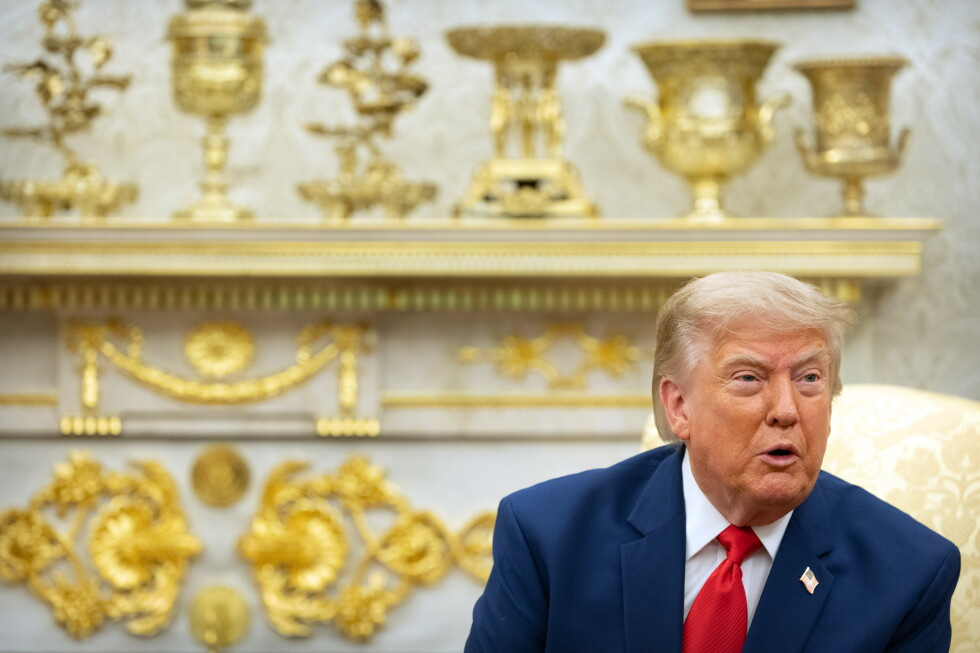
In a stunning display of economic elitism, President Trump has assembled a cabinet that reads like a billionaire's who's who. According to a recent report from Public Citizen, a consumer advocacy group, 57 of Trump's appointees are worth over $100 million. This figure is more than four times the total of the three previous presidents combined. It seems wealth is not just a perk for these officials; it’s a prerequisite for serving in the highest echelons of government.
Among the elite are Commerce Secretary Howard Lutnick and Education Secretary Linda McMahon, both billionaires who exemplify the Trump administration's affinity for the ultra-wealthy. The president has made no secret of his preference for appointing individuals who have achieved financial success, positioning it as a testament to their competence. After all, who better to navigate the intricacies of public service than those who have mastered the art of making money?
Still Beats Watergate:
Sponsor success. Continue reading:
However, this trend raises eyebrows, particularly given Trump's rhetoric aimed at middle-income Americans. While he rallies support from the working class, his cabinet is increasingly filled with individuals whose wealth might influence policy decisions. As Lisa Gilbert, co-president of Public Citizen, aptly pointed out, when the reins of government are held by the rich, it leads to conflicts of interest and raises serious questions about whose interests are truly being served.
The report highlights that under Trump, eight of the 23 Cabinet members are among the economic elite. The previous administrations of George W. Bush and Joe Biden each had five members worth $100 million or more, while Barack Obama had three. This stark contrast suggests a troubling trend where the financial elite are not just advisors but decision-makers in government policy.
It's not just the Cabinet that reflects this trend; the administration is peppered with billionaires and multi-millionaires in senior positions. The Small Business Administration and the Treasury have their share of appointees whose wealth raises eyebrows about their commitment to the average American.
While some may argue that financial success indicates strong leadership, the reality is that it can also foster a disconnect with the everyday struggles of most citizens. Trump's approval ratings on economic management have slipped to 32%, raising concerns about whether his administration is out of touch with the very Americans who put him back in the Oval Office.
In this age of hyper-wealthy political figures, one can only wonder: as the rich get richer, will the rest of America continue to get the short end of the stick? Or will Trump’s administration serve as a shining example of how a cabinet full of billionaires can lead the nation to prosperity? Only time will tell, but for now, it seems the American dream has become a billionaire’s playground, with the rest of us watching from the sidelines, wondering when our turn will come.