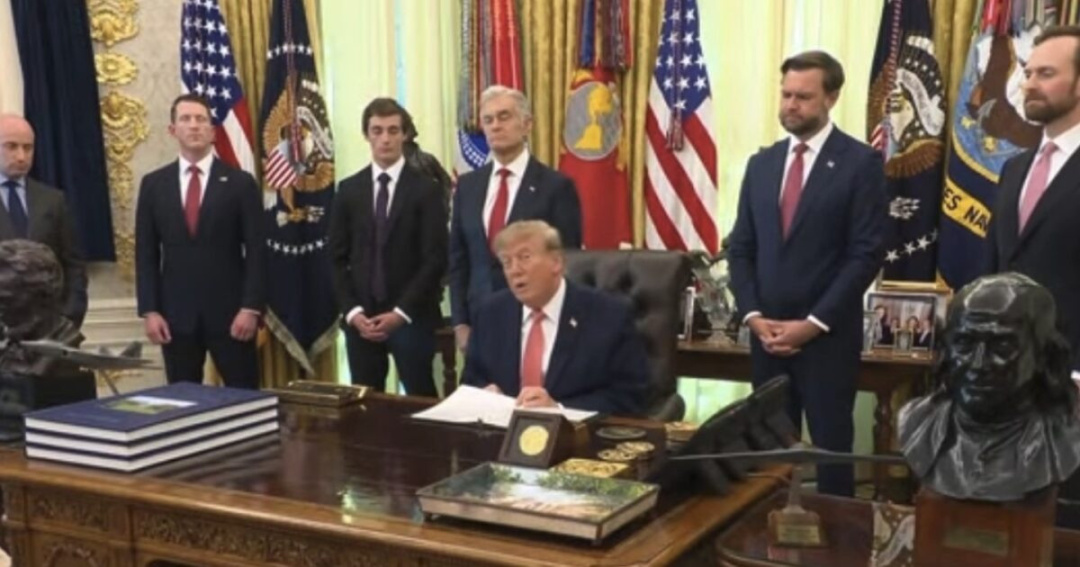
Trump's Executive Order on Vaccines Sparks Confusion and Backroom Research Failures
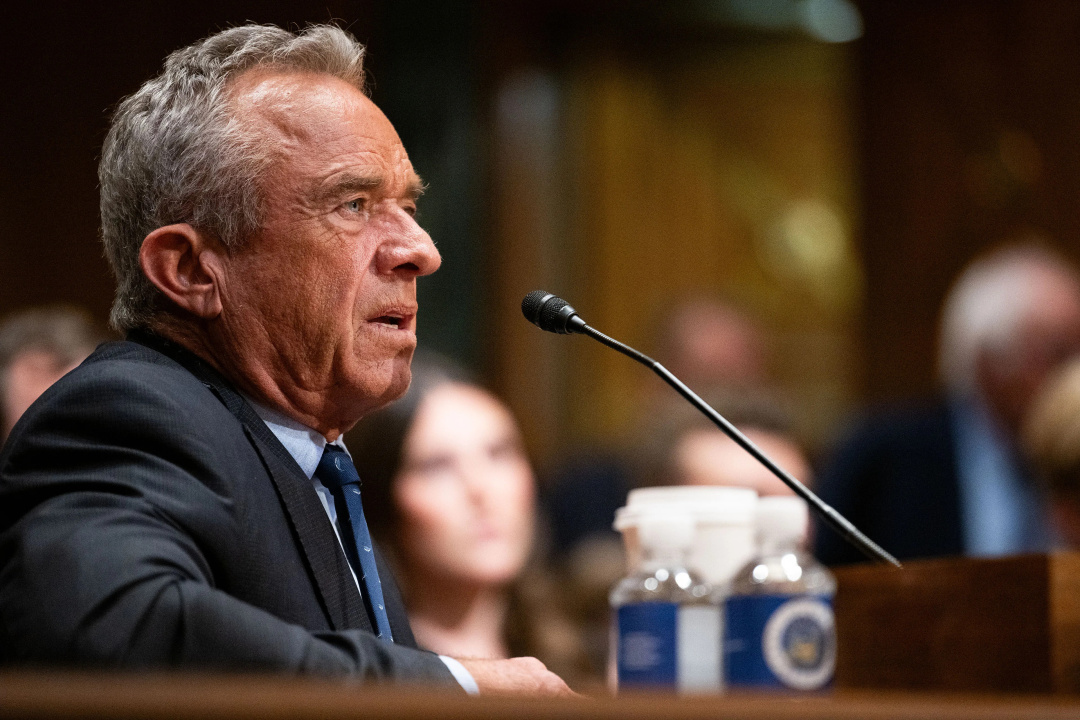
In an unprecedented move, President Trump has issued an executive order demanding a reduction in childhood vaccinations, citing a dubious link between vaccines and rising autism rates. This decision has not only puzzled the public but also left many in the medical community scratching their heads. Health Secretary Robert F. Kennedy Jr., tasked with uncovering the alleged link, seems to be on a research mission that has yielded more questions than answers.
The executive order, unveiled just weeks before the midterm elections, appears to be a strategic gamble, as Trump's own pollsters warn against the backlash from the anti-vaccine movement. The timing could not be more precarious, especially for Republican candidates in swing districts who may be forced to navigate the turbulent waters of vaccine skepticism.
Still Beats Watergate:
Sponsor success. Continue reading:
Kennedy, who has promised to reveal the causes of the autism epidemic, has seen his research efforts stalled. Critics describe his project as one of the most secretive undertakings in recent history, with experts in the field left in the dark about its progress. Helen Tager-Flusberg, a prominent psychologist, has remarked on the opacity surrounding Kennedy's research endeavors, calling it reminiscent of the Manhattan Project—an ambitious initiative shrouded in mystery.
The White House has been notably silent regarding the scientific basis for Trump's claims about vaccines. The Department of Health and Human Services insists that the president's directive is aligned with its reassessment of the national vaccine schedule, yet no other country is following suit in reducing vaccines as suggested.
As Trump continues to express his impatience for results, Kennedy's research has faced significant setbacks. Not only has he failed to provide clear answers, but he has also neglected to consult with key autism advocacy groups and career scientists within federal health agencies. Delancy Allred from the Autism Society has voiced concerns about Kennedy's isolation from broader expert opinions—highlighting a troubling disconnect between the administration's efforts and established scientific consensus.
Despite the lack of credible findings, Kennedy's team, which includes a mix of vaccine skeptics and controversial figures, has been given the reins of autism policy. This has raised alarms, especially given the ongoing rise in measles and other vaccine-preventable diseases. As the administration pushes forward with its agenda, the scientific community watches closely, hoping for a return to evidence-based policy rather than political posturing.
In this climate of confusion, Trump's insistence on linking vaccines to autism remains unsubstantiated, a fact that will likely come back to haunt him as he navigates the complex landscape of public health and political accountability. As the clock ticks down to the next election, the administration's approach to vaccines may become one of the most contentious issues on the campaign trail, with health and safety hanging in the balance.