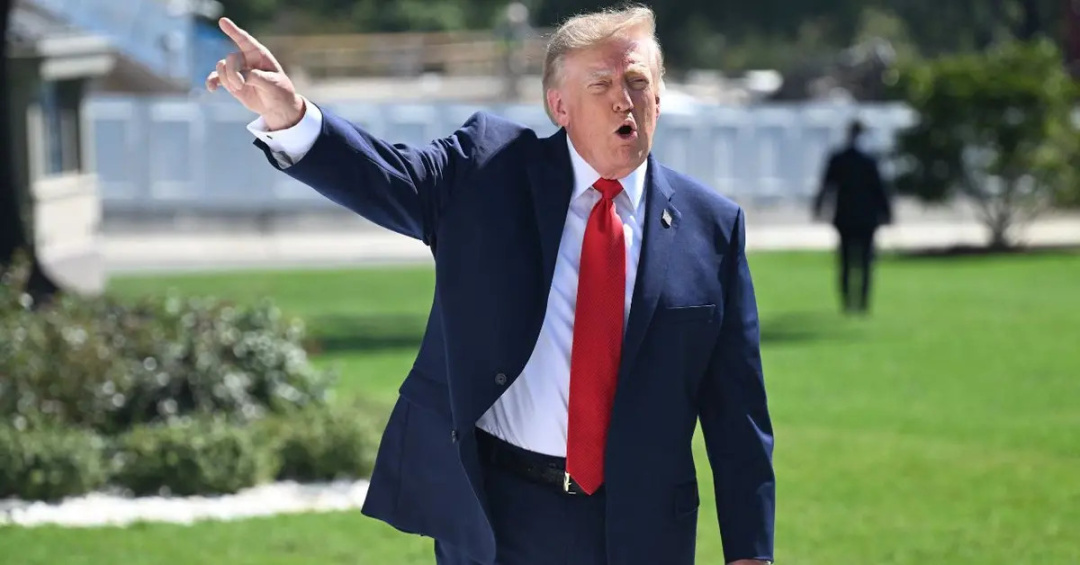
New York Times Photographer Shocked to Discover He Captured Trump's Best Side in a Staged Moment
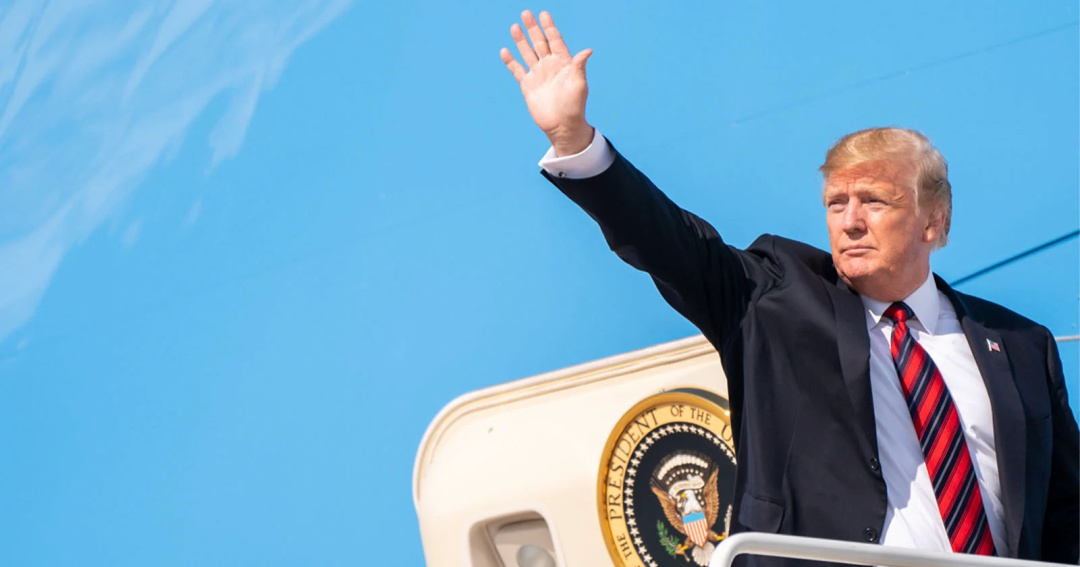
In a stunning revelation that has sent shockwaves through the world of political photography, Doug Mills, a seasoned photographer for the New York Times, found himself in the unexpected position of having captured a staged photo of President Trump. Mills recounted his surprise when he learned that the moment he thought was spontaneous was actually part of a carefully orchestrated performance, a classic display of presidential theatrics designed to showcase Trump at his most photogenic.
The incident raises pressing questions about the integrity of photojournalism in an era where staged moments can easily blend into the fabric of perceived reality. As Trump exited Air Force One, Mills believed he was documenting a candid moment, an unscripted slice of presidential life. Instead, he unwittingly became part of a visual narrative manipulated for maximum effect, one that could easily be mistaken for genuine spontaneity by viewers.
Still Beats Watergate:
Sponsor success. Continue reading:
"I thought I was just doing my job, capturing history as it unfolded," Mills lamented. "Little did I know, I was merely a pawn in the grand game of political optics."
This incident serves as a stark reminder of the complexities involved in political coverage, where the line between reality and performance is often blurred. In an age dominated by social media and instant narratives, the manipulation of imagery can turn a simple photograph into a campaign tool, leaving journalists like Mills grappling with their roles as both observers and participants in the spectacle.
As the public continues to consume these carefully curated images, one must wonder: how many other moments have been staged without the knowledge of those behind the lens? Are photographers now just actors in the theater of politics, tasked with framing the narrative rather than uncovering the truth?
With Mills' experience echoing in the minds of photojournalists everywhere, the call for transparency in political imagery has never been louder. Perhaps it is time for a new code of ethics in political photography, one that acknowledges the staged while striving to maintain the authenticity of the moment. After all, if we cannot trust the images crafted for us, what can we trust in the world of political representation?
In a twist of irony, Mills now finds himself at the forefront of a debate that questions the very nature of his craft. As he contemplates his next assignment, he might just bring a little more skepticism to his lens, ensuring that the next time he captures a moment, it will be one that is genuinely unscripted, or at least, one that he knows is being performed.