Iran Declares Culinary Control Over Hormuz After Trump’s Fast Food Foreign Policy
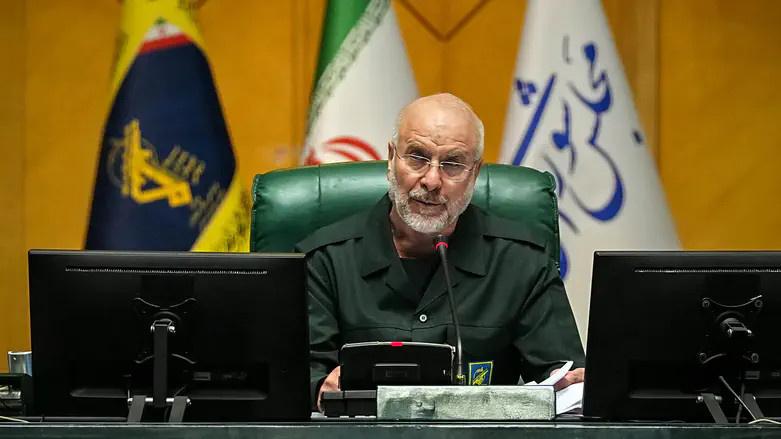
In a stunning display of international bravado, Iran's parliament speaker, Mohammad Bagher Ghalibaf, has announced that Tehran has emerged victorious in a war that appears to have existed solely in his mind. In a statement dripping with diplomatic flair, Ghalibaf declared, "We won this war, both militarily and politically," as if the mere act of declaring victory magically makes it so.
This proclamation came on the heels of President Donald Trump's audacious plan to declare the Strait of Hormuz a US territory, a move that Ghalibaf swiftly dismissed as yet another example of American hubris. "The United States and Israel attacked us with nine specific objectives, but they failed to achieve any of them," he boasted, as if listing the number of unsuccessful military campaigns were a badge of honor.
Still Beats Watergate:
Sponsor success. Continue reading:
Ghalibaf's comments are reminiscent of a high-stakes game of geopolitical poker, where the stakes are as real as the delusions of grandeur that often accompany such claims. In his mind, the US and Israel's inability to reach their targets marks a monumental defeat for the West, while he assures the Iranian public that they should take pride in this so-called "glorious victory"—a sentiment that may not be universally shared among those facing real-life consequences of ongoing tensions.
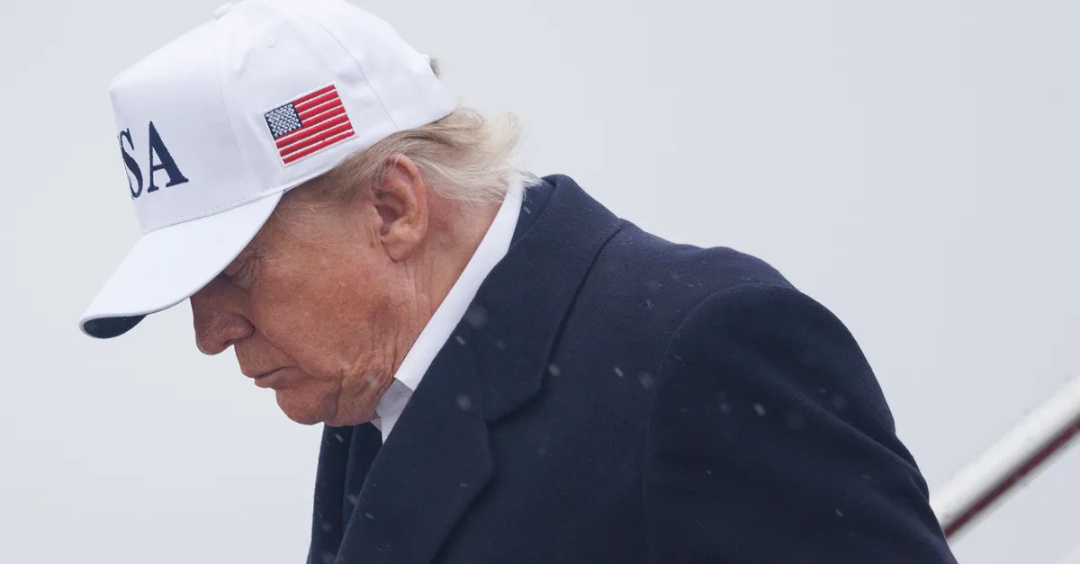
Trump, meanwhile, is busy crafting his own narrative at rallies, declaring Iran to be "very badly defeated" and lamenting the lack of anyone left to negotiate with. "Their leadership is gone," he stated, likely forgetting who he’d actually be negotiating with in the first place.
In response to Trump's claims, Iranian Deputy Foreign Minister Kazem Gharibabadi insisted on Iran's exclusive control of the Strait of Hormuz. His social media rebuttal was as spicy as a well-seasoned diplomatic roast, declaring that the strait would remain under Iranian command, and Trump should "accept the reality" of his strategic defeats.
Even a prominent Iranian legislator took a jab at Trump, suggesting that the US president should focus on his own security instead of engaging in what can only be described as fast-food foreign policy. "Before he ends up hiding in a food truck," quipped Ebrahim Azizi, highlighting the absurdity of the situation with a dash of dark humor.
As the world watches this bizarre spectacle unfold, one thing remains clear: whether it's military strategy or culinary control over a critical waterway, the real winners are those who can serve up the best political satire. And in the kitchen of international relations, the ingredients for a good laugh are simmering just beneath the surface.