Lula and Bolsonaro: Uniting Women Voters with Campaign Promises and A Touch of Irony
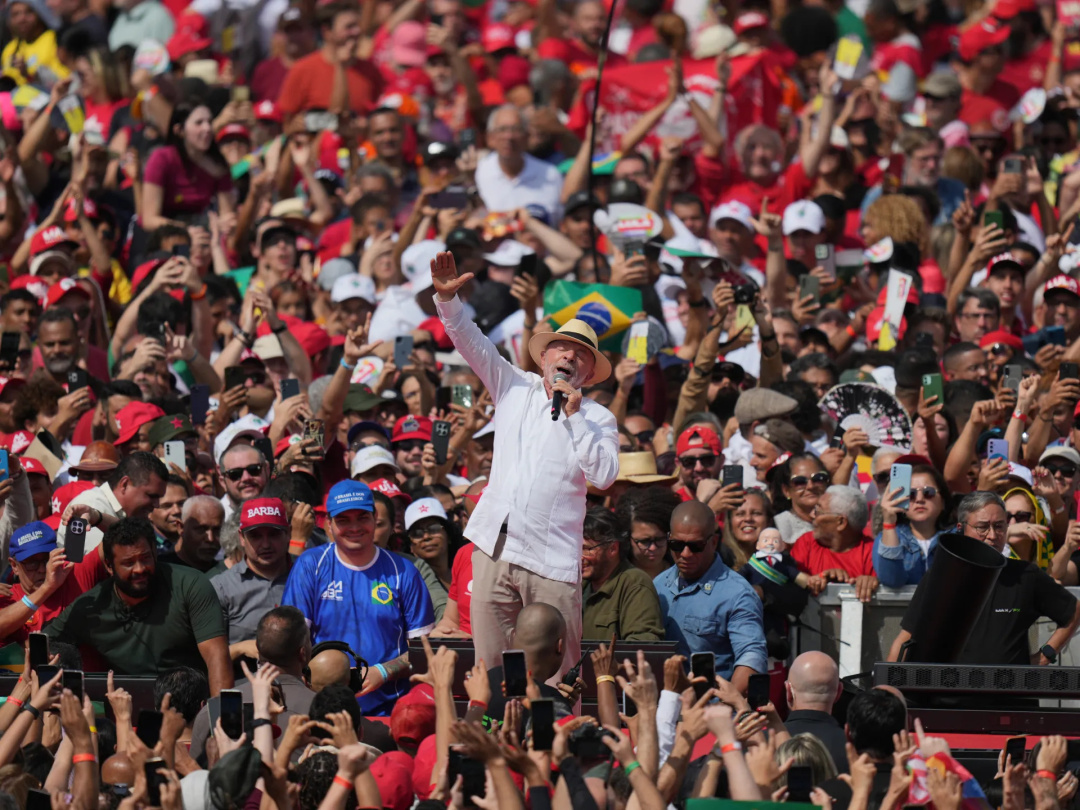
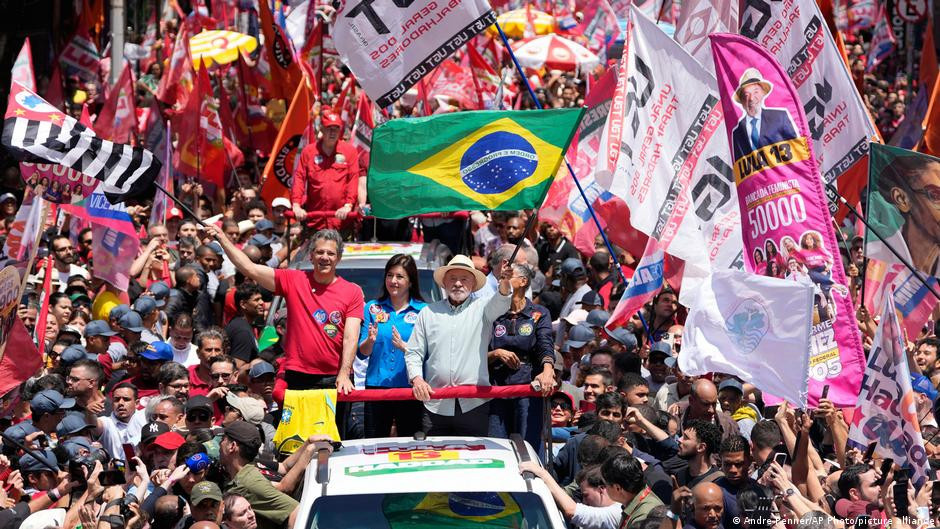
In a stunning display of political theater, Brazil's two leading presidential contenders, Luiz Inacio Lula da Silva and Flavio Bolsonaro, have officially launched their campaigns from the very heart of their respective strongholds. Lula mesmerized over 10,000 supporters in Sao Paulo, reminiscing about his days as a union leader, while Bolsonaro, devoid of his father’s presence but not his political baggage, rallied on the sun-soaked shores of Copacabana.
Lula, at the spry age of 80 and sporting a jaunty hat following recent health concerns, proclaimed Brazil must embrace his policies more fiercely than ever. Meanwhile, Bolsonaro, the son of the former president currently navigating his own legal escapades, promised to be the nation’s ultimate dealmaker, negotiating with everyone from world powers to local fishmongers.
Still Beats Watergate:
Sponsor success. Continue reading:
Amidst the backdrop of Brazil's alarming rise in femicide—nearly 400 women killed in just the first quarter of the year—both candidates are desperately attempting to woo the electorate’s female demographic. Lula, with his wife by his side, argued that men must learn from childhood that they are equal to women. This proclamation was met with applause, perhaps partly because he also hinted that those who choose violence should reconsider their voting options. A bold strategy, one might say.
Bolsonaro, not one to be outdone, echoed similar sentiments while promising to combat violence against women, possibly as a way to divert attention from his father's notorious political antics. With a mother and wife on stage, he assured voters that he, too, would champion women’s rights, perhaps hoping that familial optics would lend credibility to his campaign.
As both candidates prepare for the upcoming election on October 4, the question remains: Can they genuinely address the crisis of gender violence, or is this merely a strategic ploy to capture votes while sidestepping the more uncomfortable truths about their political histories? Only time will tell if Brazil's women voters will buy into the promises or see through the smoke and mirrors of campaign rhetoric.