Heritage Foundation Chair Proposes New Strategy: Dismiss Women, Demand More from Men
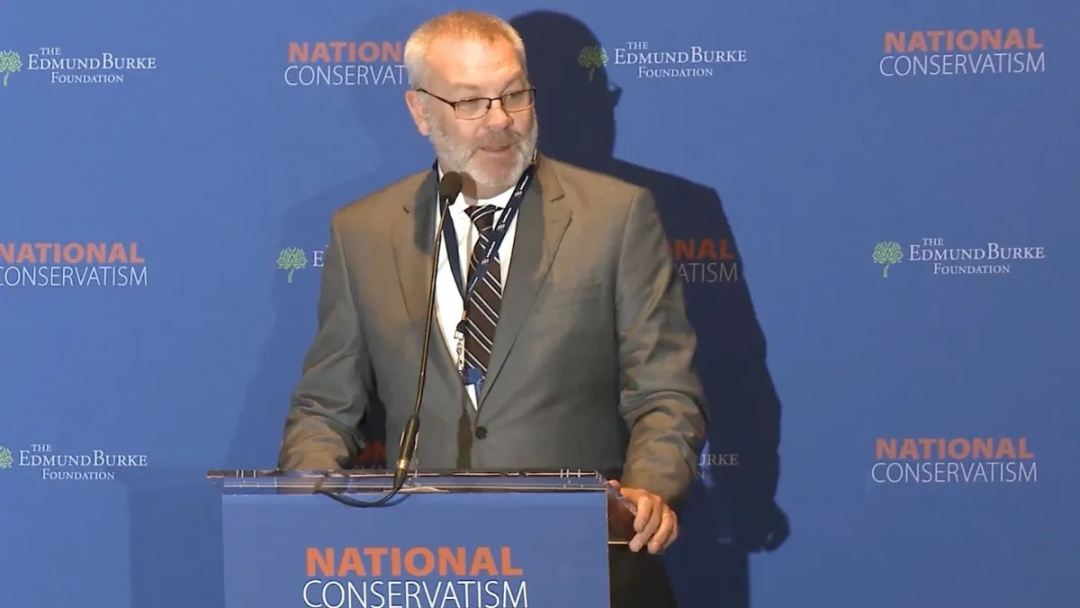
In a bold move that has left many scratching their heads, Scott Yenor, chairman of a Heritage Foundation initiative, recently stated that it is not a failure to see all male winners of the Nobel Prize. He went further to suggest that rather than encouraging the recruitment of women into fields like engineering, medical schools, and law, the focus should shift to demanding more from the male participants already in those spaces. This approach seems to echo a bygone era where the concept of meritocracy was less about inclusivity and more about exclusion.
Yenor's comments may inspire a new campaign slogan for the Heritage Foundation: "Why fix what isn't broken?" After all, if the existing structure has worked for centuries—just not for half the population—why bother to change it? The suggestion that society should not aim for gender diversity in critical fields raises questions about the organization's understanding of progress and equality. It's like saying, "Let them eat cake," but with fewer women at the table.
Still Beats Watergate:
Sponsor success. Continue reading:
In a time when diversity is often touted as a strength in innovation and creativity, Yenor's remarks could be seen as a masterclass in how to ignore the obvious benefits of inclusivity. By advocating for more focus on men, he seems to imply that the current male-dominated spheres are functioning perfectly, despite evidence to the contrary. Perhaps he believes that the only way to solve a problem is to double down on the same old solutions that led to the problem in the first place.
This perspective not only undermines the achievements and potential contributions of women but also perpetuates outdated stereotypes about gender roles in professional settings. Perhaps a more progressive approach would be to encourage both genders to excel, rather than suggesting that we simply demand greater effort from one while sidelining the other.
As we continue to dissect Yenor's comments, one has to wonder if the Heritage Foundation is preparing to launch a campaign for a new award: The Most Unwelcome Advice in Gender Equity. After all, in an era of striving for equality, it seems their goal is not to lift everyone up but to keep the status quo firmly in place.
In conclusion, while Yenor's comments may have been intended to provoke thought, they have instead highlighted a significant disconnect between the Heritage Foundation's vision and the reality of modern gender dynamics. By promoting an agenda that discourages women's participation in essential fields, they may find themselves not just out of touch, but out of relevance in conversations about the future workforce.