Federal Judge Declares Border Wall Construction a 'National Treasure,' Tribe's Land Optional
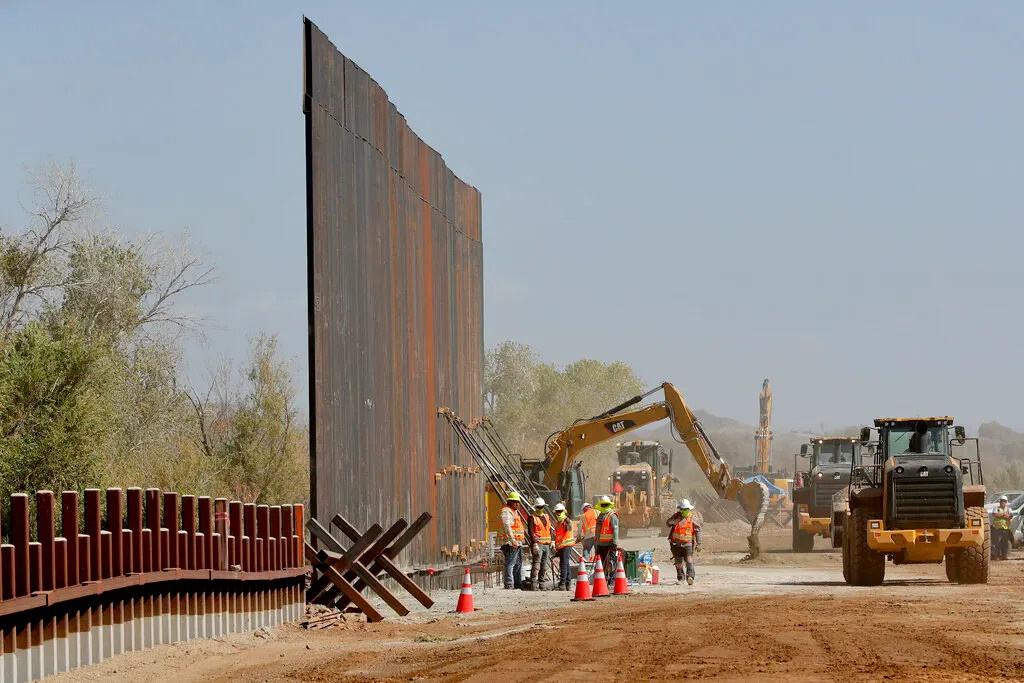
In a stunning legal twist, a federal judge has decided that the construction of a border wall in Arizona is not just a necessity but a national treasure, trumping the claims of the Tohono O'odham Nation that it violates their tribal lands. Judge Richard Leon, in a ruling that seems to have been plucked straight from a bureaucratic fairy tale, cited a 1907 proclamation allowing the government to commandeer land for 'national security' purposes. Apparently, securing a wall is more important than securing ancient tribal rights.
The judge's proclamation reads like a script for a reality show where the government is the star and Native American tribes are just background actors. With a casual disregard for the Tohono O'odham Nation's complaints—who had erected 'no trespassing' signs in a valiant attempt to protect their lands—the judge decided that the federal government should have the final say, because, you know, national security and foreign policy are just so much more important than a few hundred years of heritage.
Still Beats Watergate:
Sponsor success. Continue reading:
Meanwhile, Markwayne Mullin, the Secretary of Homeland Security, is busy handing out gold stars for achieving the lowest daily border apprehensions in 30 years, as if that justifies bulldozing through tribal lands. His office proudly announced that under the 'strong leadership of President Trump,' the border is more secure than ever. So secure, in fact, that they might be considering adding a moat filled with alligators next.
In the wake of this ruling, the Tohono O'odham Nation has resorted to social media to voice their dissent, warning that any construction crew attempting to plow through their land will be met with law enforcement. But will the law enforcement show up with construction hats or with bulldozers? One can only hope that the judge's next ruling will include a side of common sense.
As the government prepares to lay down the first bricks of the wall, one can't help but wonder if the only thing being secured is a narrative that prioritizes fortifications over the rights of indigenous peoples. After all, what’s a little land trespassing when there’s a wall to be built?