Family Ties: Right-Wing Media Goes Full Shakespearean Tragedy on Abdul El-Sayed's Loved Ones
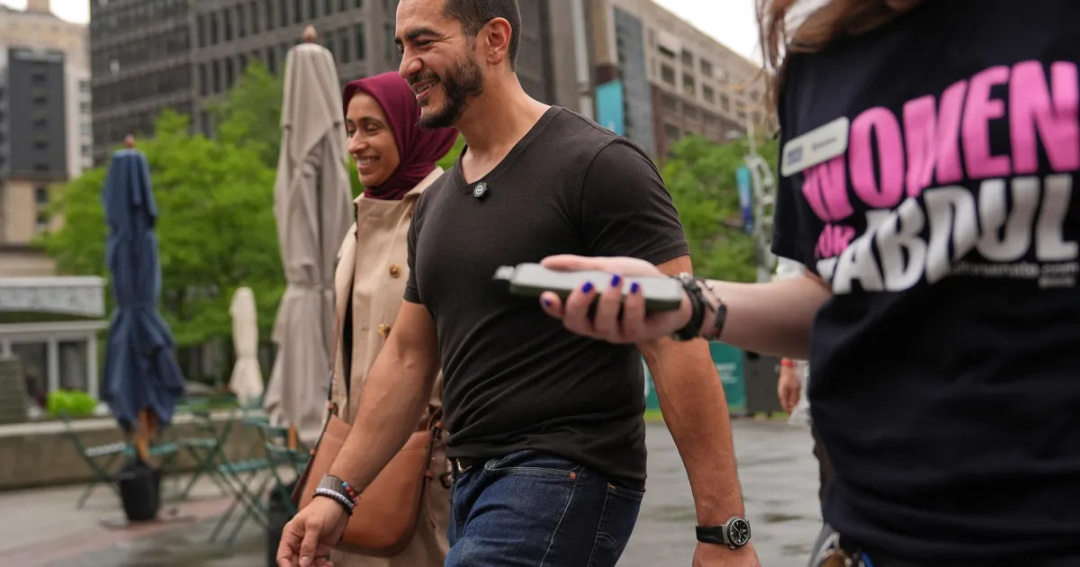
In a plot twist worthy of a Shakespearean drama, right-wing pundits have decided to take a family-friendly approach to political warfare by targeting Abdul El-Sayed’s loved ones. Since El-Sayed snagged the Democratic nomination for Michigan’s US Senate seat, the right has gone beyond the usual attacks and has now turned their gaze upon his family, including his wife, Sarah Jukaku, and half-sister, Eman Abdelhadi. Apparently, they believe that if you can’t effectively smear the candidate, why not drag the family into the fray?
The theatrics escalated following a social media post by none other than former President Trump, who juxtaposed a formal photo of himself and Melania against a snapshot of El-Sayed and his wife, who happens to be wearing a hijab. The caption, "Two VERY DIFFERENT Americas," leaves little to the imagination about the intention behind the rhetoric. It’s almost as if Trump is auditioning for a role in a reality show focused on political drama, where family ties are as important as campaign promises.
Still Beats Watergate:
Sponsor success. Continue reading:
Fox News and the New York Post have eagerly joined the fray, dissecting Abdelhadi’s past and even leaning into her felony charge for allegedly spitting on a state trooper during a protest. The media circus surrounding her arrest might as well come with popcorn, given how sensationalized the coverage has become. It’s not just an arrest; it’s a political exposé, complete with a mugshot for the Instagram generation.
El-Sayed’s spokesperson has attempted to clarify the situation, asserting that while Abdul loves his sister, he does not always agree with her. This familial disclaimer feels less like a protective shield and more like a political disclaimer, emphasizing that he’s the one on the ballot, and his record is what really counts. It seems that in the modern political landscape, family loyalty is often placed on the back burner in favor of public perception.
The irony is palpable; as El-Sayed distances himself from his past progressive rhetoric in an attempt to appear more palatable to the centrist voters, the right continues to wield his familial connections like a sword. It raises the question: how much distance is enough to appease those who seem to dictate the acceptable narrative?
In a world where political discourse has taken a sharp turn into the absurd, this attack on El-Sayed’s family exposes the lengths to which some will go to maintain their version of political ‘purity’. Perhaps it’s time to consider that the real scandal here isn’t El-Sayed’s family but rather the desperate attempts of the right to define what constitutes acceptable political commentary. The question remains: will Democrats continue to let the right control the narrative, or will they reclaim their voice in this cacophony of family-targeting spectacle?