Trump Administration Decides Arctic Report Card Too Cool, Pulls Support
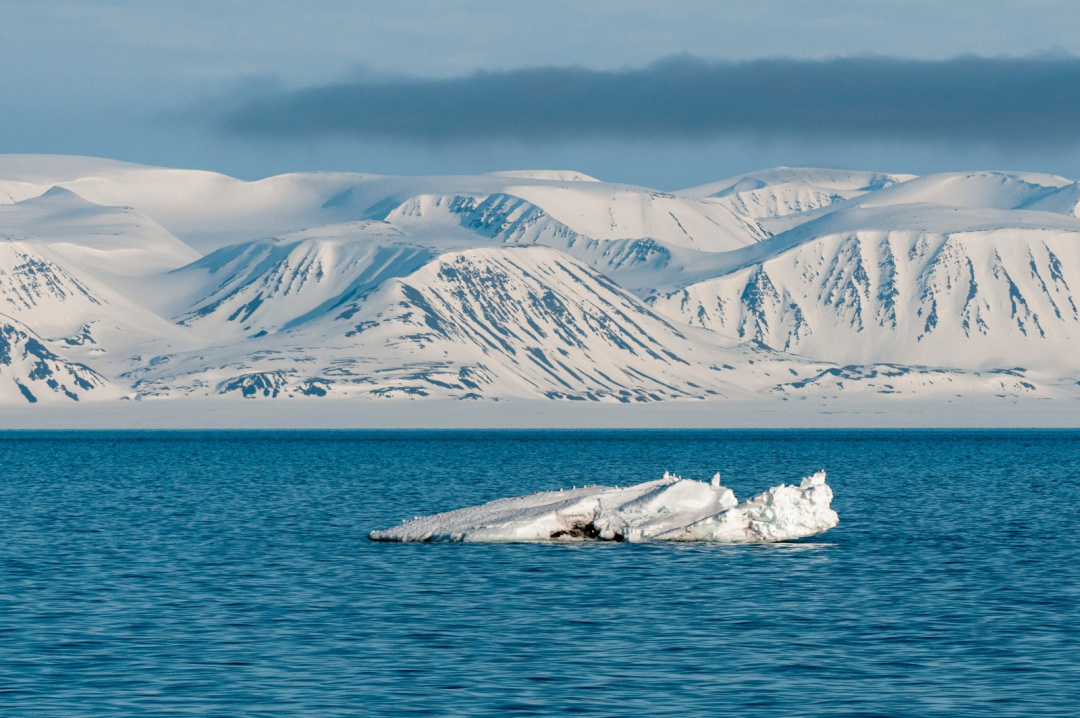
In a stunning display of bureaucratic brilliance, the Trump administration has pulled its support for the Arctic Report Card, a beloved annual update on environmental changes in a region warming four times faster than the global average. This drastic decision, announced by Kim Doster of the National Oceanic and Atmospheric Administration, is reminiscent of a magician’s disappearing act—poof! And just like that, crucial data on the Arctic is vanishing from government oversight.
The official statement was as clear as mud: while NOAA will no longer facilitate the 2026 Arctic Report Card, all previously collected data will remain publicly available. What does this mean for researchers? Basically, good luck piecing together a coherent picture without the federal government leading the charge. It's like trying to bake a cake without a recipe—sure, you might end up with something edible, but chances are it’ll be a disaster.
Still Beats Watergate:
Sponsor success. Continue reading:
Rick Spinrad, the former NOAA administrator, expressed his disbelief at this decision, calling it "really unconscionable". He explained that this report has been the backbone for understanding changes in the Arctic, providing vital data for anyone from oil pipeline operators to local fishing communities. Spinrad might as well have been talking about a crucial piece of infrastructure, like a bridge, that just got shut down without warning.
Meanwhile, Twila Moon, a scientist involved in the report, lamented the loss of U.S. leadership in climate science. She pointed out that the U.S. is an Arctic nation, not just a distant observer, and the changes in this region have ripple effects that reach all the way down to the lower 48. It’s almost like saying, “Hey, your house is on fire, but we’re not sending any firefighters.”
The Arctic Report Card has been a peer-reviewed staple for over 20 years, tracking alarming trends such as sea ice decline and rising temperatures. The 2025 report revealed that surface temperatures in the Arctic were the warmest since 1900. One can only imagine the joy of glancing at the data and realizing that the ice is basically melting faster than a popsicle on a summer day.
The administration’s decision to withdraw support for this report is just one of many moves that appear to undermine scientific understanding of climate change. Whether this is due to an aversion to acknowledging climate issues or just a classic case of political mischief remains to be seen. But one thing is clear: without federal guidance, the future of Arctic climate science is looking a little chilly.