German Companies to US: Thanks, But No Thanks—We're Off to Asia!

In a shocking turn of events, German companies have decided that investing in the United States is so last season, plummeting their direct investments to a jaw-dropping three-year low. With a staggering €4.3 billion flowing into the US during the first half of 2026, it appears that American economic allure has lost its sparkle, especially when compared to pre-pandemic averages that hovered around €15.8 billion. It seems the allure of burgers and fries has been replaced by the siren call of dim sum and noodles, as firms increasingly look to Asia instead.
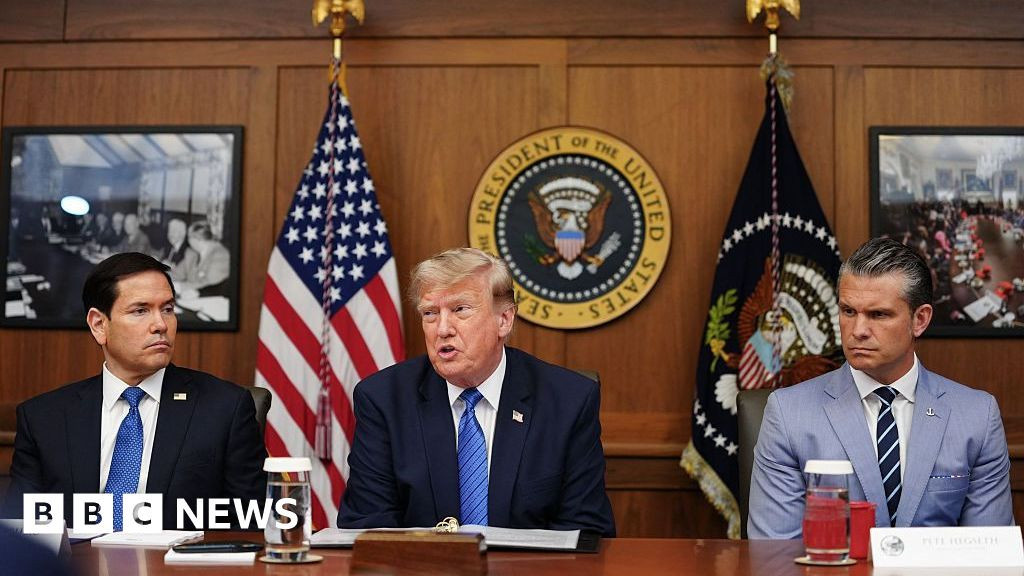
The downward trend began when Donald Trump sauntered back into the White House in January 2025, bringing with him his beloved repertoire of tariff threats and policy chaos. From February to November 2025, German investment in the US was already down by 45% compared to the previous year, with the first half of 2026 accelerating this plunge like a rollercoaster in free fall.
Still Beats Watergate:
Sponsor success. Continue reading:
Experts at the German Economic Institute have noted that this isn’t just a passing phase; it's a structural shift in how German companies assess American risk. It’s like they’ve all received a memo that reads, "Thanks, but no thanks! We prefer uncertainty served with a side of dumplings."
While existing operations in the US remain stable—because who wants to abandon factories and supply chains already in place?—new projects and expansions are being shelved faster than a bad sitcom. Nearly 30% of planned projects have been postponed, reflecting a corporate wait-and-see attitude that would make even the most patient of people roll their eyes.
So where is this German capital flowing? The answer, increasingly, is Asia, particularly China. Recent surveys suggest that German firms are pivoting their attention eastward, likely in search of more stable investment environments, or at least ones that don't come with a side of tariff uncertainty.
The European Union’s own 2025 deal, reportedly involving a $600 billion investment commitment, seems to echo this sentiment. It’s as if the continent is collectively deciding to diversify its economic partnerships, saying goodbye to the US like a bad breakup and trying to find new love in the East.
As the dust settles and the economic landscape shifts, one thing is clear: German companies are no longer seeing the US as the land of opportunity. Instead, they’re opting for the land of dumplings, and who can blame them?