Marines, Diplomacy, and the Art of Hostage Negotiations: A Masterclass in Absurdity
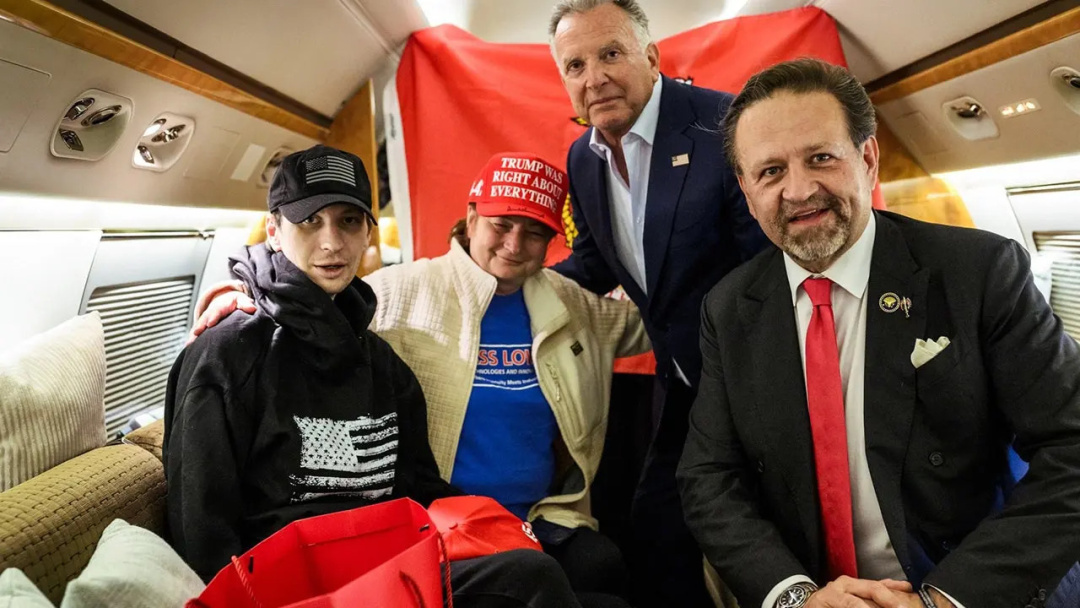
In a masterclass on how to approach diplomacy with the grace of a bull in a china shop, the unfortunate saga of Marine veteran Robert Gilman unfolds like a Shakespearean tragedy, complete with psychological torment, bureaucratic missteps, and just enough political maneuvering to make anyone dizzy. Gilman, who miraculously escaped the clutches of a Russian prison after 1,666 days, has become a prime example of how the U.S. manages to turn hostage situations into a theatrical production worthy of Broadway.
According to Kieran Ramsey, the chief investigative officer for Global Reach and Gilman's family representative, the conditions of Gilman's detention were nothing short of a horror film. Imagine, if you will, a series of beatings and psychological warfare that would make even the most hardened criminals wince. Yet, in a stunning twist, Ramsey credits none other than former President Trump for Gilman's release, likening his diplomatic efforts to a sports coach rallying a team at halftime for a comeback.
Still Beats Watergate:
Sponsor success. Continue reading:
"Mr. Gilman's home, no doubt, because of the leadership from President Trump. He made a full court press with his senior most team requesting that the Russians release him on a humanitarian basis, which is exactly what happened," Ramsey stated, as if the negotiations were akin to persuading a child to share their toys.
But it doesn't end there. The plot thickens with the revelation that five other Americans are still languishing in Russian prisons, their fates hanging in the balance as U.S. diplomats weigh the risks of labeling them as wrongful detainees. Ramsey suggests that doing so might complicate the delicate game of chess that is international relations, where every pawn and rook is a life at stake.
Meanwhile, the stories of these other detainees echo the absurdity of the situation. One detained individual, Alexander Antonov, is described as a businessman who simply made the mistake of transiting through Russia. Another, David Barnes, went to Russia to retrieve his children and promptly found himself embroiled in a legal nightmare. As Ramsey relays these tales, one can't help but feel that the Russian authorities are playing some sort of twisted game, using Americans as pawns just to see how far they can push the envelope.
The comedy of errors continues as Ramsey details the bizarre claims made to torment Gilman, including a ridiculous assertion about a hit team targeting his father in Boston. The sheer absurdity of it all raises the question: Are these the actions of a serious government, or are we witnessing a darkly comedic farce where the real victims are the hostages caught in the crossfire?
As Gilman recuperates in a U.S. hospital, presumably savoring the freedom he fought for, the urgent need to recognize the plight of his fellow detainees becomes more pressing. The diplomatic dance continues, with Ramsey urging the U.S. government to maintain pressure on the Russians while simultaneously reminding us all that behind every statistic is a human being, and perhaps a punchline waiting to unfold.
In this tragicomedy of errors, one thing is painfully clear: the art of hostage negotiation is less about saving lives and more about navigating a minefield of bureaucracy and absurdity. As we watch this drama unfold, we can only hope that future negotiations will be more about justice than a performance review of international diplomacy.