Trump's New Executive Orders: Birthright Citizenship, But Make It Executive
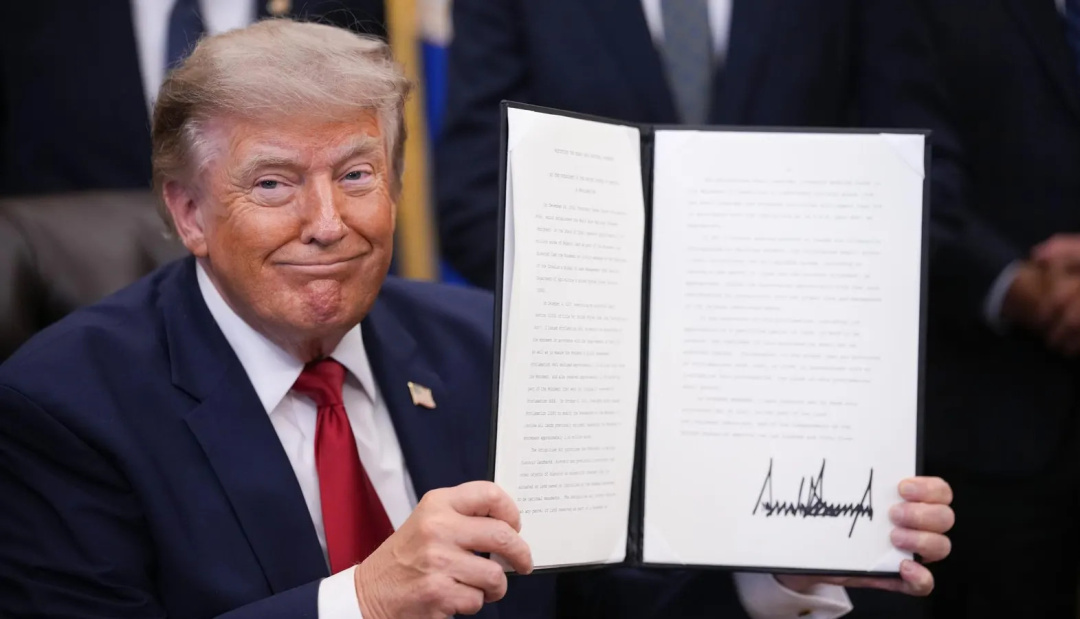
In a recent display of executive flair, President Trump unveiled new executive orders that attempt to redefine birthright citizenship. After the Supreme Court made a definitive ruling affirming the rights of those born on U.S. soil, the Oval Office has become a stage for proclamations that seem more like theater than policy.
Trump, ever the showman, took to the cameras in the Oval Office, waving around documents that only he could decipher, claiming they would limit the impact of the court's decision. One might wonder if these proclamations come with a side of reality, or if they are merely a distraction from the actual laws of the land.
Still Beats Watergate:
Sponsor success. Continue reading:
In his latest address, Trump insisted that fairness is subjective, suggesting that the very idea of birthright citizenship is up for debate. This brings us to an important question: Is fairness determined by an executive order, or is it rooted in the Constitution? The President's interpretation appears to align more closely with his personal narrative than with legal precedent.
Critics have been quick to note the absurdity of trying to issue executive orders that contradict the Constitution. Yet, the administration's logic seems to follow a different set of rules—one where laws are merely suggestions and the whims of the Presidency reign supreme. Perhaps this is a new form of executive governance where reality is optional.
Behind the scenes, aides are reportedly scrambling to draft explanations that make these orders sound coherent. Internal memos suggest that staff members are now tasked with finding ways to present these orders as innovative rather than contradictory. The real challenge, it seems, is convincing the public that executive whimsy is a legitimate form of governance.
As the administration navigates this new reality, the polling numbers indicate that many are confused, and rightly so. When birthright citizenship becomes a topic for executive debate, one has to question what other constitutional rights might be next on the chopping block. Will we soon see an executive order on free speech, or perhaps an attempt to redefine the right to vote?
In the end, one thing is clear: as Trump continues to test the limits of his executive power, the American public is left wondering if they are witnessing a political spectacle or a serious attempt at governance. The theater of the absurd is alive and well in Washington, and the Oval Office is its grand stage.