Bill Maher Calls for a National Day of Mourning for Luigi Mangione's Fans
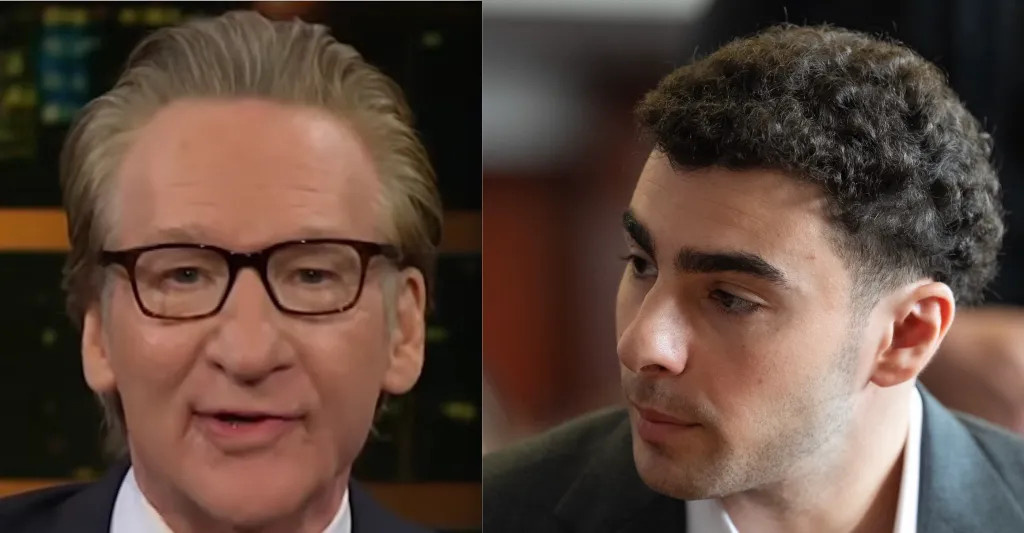
In a stunning turn of events that has gripped the nation, Bill Maher took to his platform to comment on the recent guilty plea of Luigi Mangione, the man who shot and killed UnitedHealthcare CEO Brian Thompson. During his opening monologue, Maher expressed a strange fascination with the 'groupies' that have emerged in support of Mangione. "If we’re handing out fan clubs for murderers now, I say we declare a national day of mourning for those who might be confused about their loyalty," he quipped, a sardonic smile plastered across his face.
Maher went on to poke fun at the absurdity of a society that seems to idolize figures like Mangione, raising the question of what values are being celebrated in the current cultural landscape. "It’s not just the crime; it’s the fact that we’re living in an age where someone can go from being a convicted felon to a folk hero overnight," he remarked, emphasizing the bizarre nature of fame in the age of social media.
Still Beats Watergate:
Sponsor success. Continue reading:
The comedian's biting sarcasm highlighted the dissonance in public reaction to violent crime. "We’ve got people putting up posters, tweeting support, and organizing meet-and-greets for someone who literally shot a CEO. What’s next? A reality show?" Maher mused, suggesting that the line between celebrity and criminal has never been blurrier.
Maher’s commentary didn’t shy away from critiquing the media’s role in sensationalizing such cases. "You can’t spell ‘celebrity’ without ‘tyranny’—or at least that’s what it feels like when we glorify the very worst among us. It’s time to ask ourselves what we’re doing with our cultural capital," he continued, weaving satire with a genuine call for introspection.
As the story develops, it's clear that Maher’s keen observations resonate with many who are disheartened by the glorification of criminality in modern culture. The laughter in the audience was a mix of nervous chuckles and clear recognition of the absurd reality we now inhabit.
In the end, Maher’s comedic lens offers a stark reminder that while the courtroom drama plays out, the societal implications are far more complex and troubling. So, as we mourn the loss of a CEO, perhaps we should also take a moment to reflect on the bizarre new heroes we’re creating in the process.