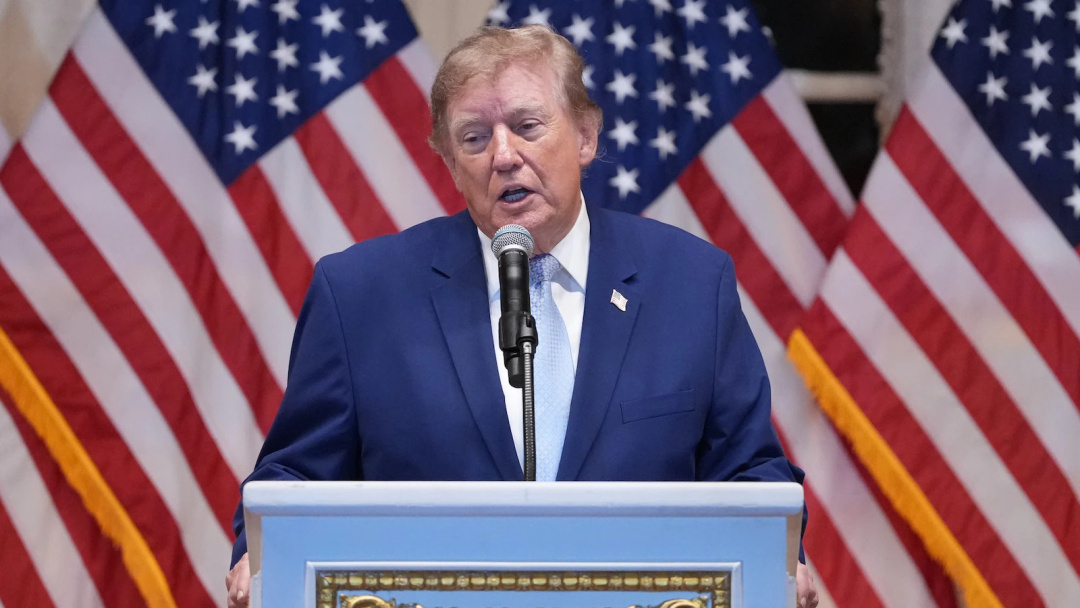
Trump’s Low-Key Economic Strategy: A Masterclass in Avoiding Accountability
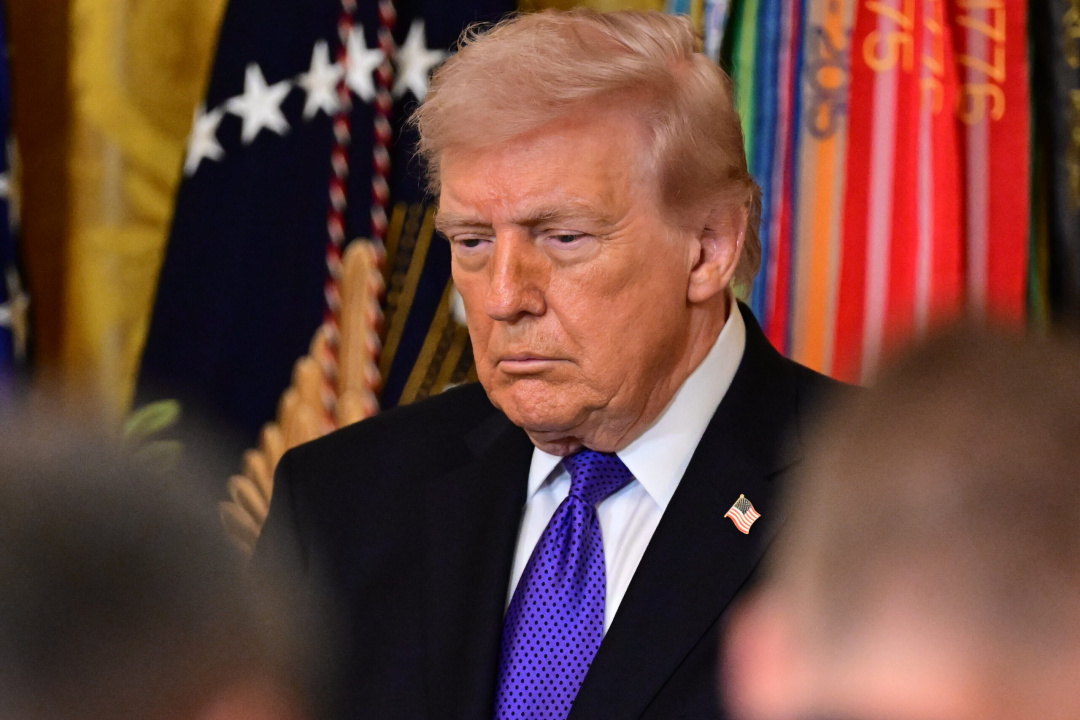
In a stunning display of strategic ambiguity, President Trump's administration has adopted a 'low-key' economic strategy that seems to prioritize the appearance of action over any tangible results. This approach, characterized by a casual relationship with accountability and a penchant for sanctions, raises the question: can an economic strategy be effective if it exists primarily in the realm of public relations?
Trump, who has never been one to shy away from hyperbole, now finds himself in a peculiar position where admitting mistakes is off the table. His administration's handling of economic pressures, particularly in relation to Iran, has drawn skepticism from experts who argue that mere sanctions seldom lead to meaningful concessions. Instead, they often serve as a backdrop for political theater, allowing leaders to posture without delivering results.
Still Beats Watergate:
Sponsor success. Continue reading:
In the grand tapestry of international relations, it seems that the 'low-key' strategy is less about achieving goals and more about avoiding the harsh glare of accountability. As Trump navigates this complex landscape, one can't help but wonder if he sees himself as a master negotiator or merely a reluctant participant in a game he can't quite control.
The irony of this situation is palpable. While Trump touts a strong economy, the underlying strategies suggest a reliance on outdated tactics that have proven ineffective time and again. It’s as if the administration has decided that looking busy is more important than actually being productive.
As the political machinery churns, the question remains: how long can this low-key strategy hold up under scrutiny? Voters may soon demand more than just clever sound bites and an air of confidence. In a world where results matter, hiding behind a facade of low-key engagements may not be sufficient to win over a skeptical public.
Thus, we find ourselves at a crossroads where Trump's economic strategy is less about robust policy-making and more about navigating the tricky waters of public perception. As the administration continues to approach economic challenges with a wink and a nod, one can only hope that the outcome isn't as low-key as the strategy itself.